
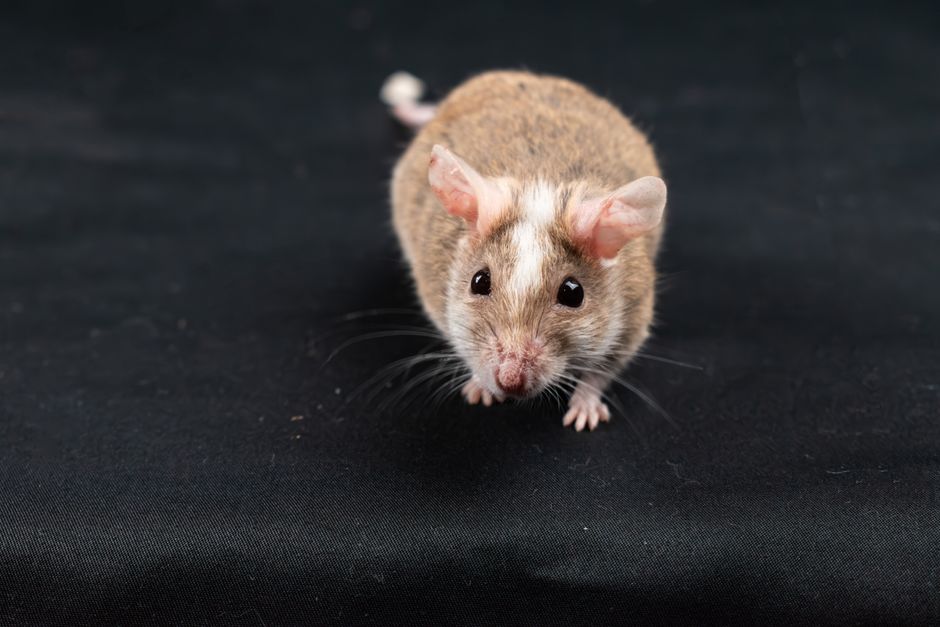
Yes, mice can get rabies. Any mammal can be infected by the rabies virus, and that includes mice, rats, and other rodents. But there is an important gap between “can get it” and “commonly gets it” — and that gap matters a lot when you are trying to figure out whether a mouse in your kitchen is a real threat.
Rabies is a viral disease that attacks the central nervous system. It is almost always fatal once symptoms appear, which is why public health agencies treat every possible exposure seriously. The good news is that the actual risk from mice is very low, and the reasons for that are well understood.
Can Mice Get Rabies?
Mice are mammals, and the rabies virus can infect any mammal. Laboratory studies have shown that mice can be infected with rabies under controlled conditions. So the biological answer is yes.
But in the real world, mice are rarely found carrying rabies. Public health surveillance data in the United States has consistently shown that rodents — including mice, rats, squirrels, and chipmunks — are almost never confirmed to have rabies. The animals that account for the vast majority of rabies cases are raccoons, skunks, bats, foxes, and coyotes.
There is a reason for this. Rabies spreads through saliva, usually via a bite. A rabid animal typically becomes aggressive and disoriented before it dies. A mouse that gets bitten by a rabid raccoon is unlikely to survive the encounter at all — it gets eaten or killed rather than walking away infected. And even if a mouse does survive a bite from a rabid animal, it usually dies from its injuries or from the infection before it can pass the virus along.
Scientists sometimes call small rodents a “dead-end host” for rabies. That means the virus can enter the animal, but it rarely spreads any further.
Why Are Mice Rarely Found With Rabies?
The short answer is that mice are more often prey than carrier. Their size and behavior work against the rabies virus in several ways.
First, a bite from a rabid animal large enough to transmit rabies is usually fatal to a mouse. The mouse does not survive long enough to develop a full rabies infection and pass it on.
Second, mice are not typically aggressive toward humans. They bite when cornered or handled, but they do not seek out people the way a rabid raccoon or skunk might.
Third, even if a mouse were infected, its small teeth and weak bite make it a poor transmitter of the virus compared to larger animals. Rabies transmission requires the virus to enter a wound or mucous membrane, and the amount of virus in a mouse’s saliva is likely to be very low.
This does not mean a mouse bite is harmless. It means the rabies risk specifically is very low. Other concerns — bacterial infection, tetanus risk, and wound care — still apply.
How Is Rabies Transmitted?
Rabies spreads through the saliva of an infected animal. The most common route is a bite that breaks the skin. In rare cases, saliva from an infected animal can enter a person’s eyes, nose, mouth, or an open wound and cause infection.
Rabies is not spread through blood, urine, feces, or by touching an animal. You cannot get rabies from petting a mouse or from finding mouse droppings in your home. You also cannot get it from handling a dead mouse with intact skin.
The virus travels along nerves toward the brain. This is why the time between exposure and symptoms can vary. A bite on the hand or face may lead to symptoms sooner than a bite on the foot, because the virus has a shorter distance to travel along the nervous system.
Once the virus reaches the brain, symptoms begin. These can include fever, headache, confusion, agitation, difficulty swallowing, and paralysis. By the time these symptoms appear, the disease is almost always fatal. That is why treatment after a possible exposure is so important — it works before symptoms start, not after.





What Should You Do If a Mouse Bites You?
Wash the wound right away with soap and running water for several minutes. This is the single most important first step for any animal bite, regardless of the animal. Soap and water can help remove saliva and reduce the risk of infection.
Then contact a healthcare provider or your local health department. They will assess the situation and decide whether rabies post-exposure treatment is needed. In most cases involving a mouse, it will not be. But that decision should be made by a medical professional, not by you alone.
If you cannot safely capture the mouse for testing, or if the mouse escaped, tell your provider. They will consider the circumstances — where you were, whether the mouse appeared sick, and whether rabies is known to be in your area.
Also make sure your tetanus vaccination is up to date. Tetanus is a separate concern from rabies, and it is a real risk with any puncture wound.
Do You Need Rabies Shots After a Mouse Bite?
In most cases, no. Public health guidance in the United States generally does not recommend rabies post-exposure treatment for rodent bites unless there are special circumstances. Those circumstances might include a mouse that was acting strangely, an exposure in an area where rabies is known to be present in wildlife, or a situation where the mouse cannot be identified or tested.
Rabies post-exposure treatment is not a single shot. It involves a series of vaccine doses and, in some cases, rabies immune globulin given near the wound. It is safe and effective when given promptly, but it is not given casually.
The decision is made by a clinician or public health official who weighs the actual risk. If you are unsure, call your health department. They handle these questions every day and can give you clear guidance for your specific situation.
Can You Get Rabies From a Mouse in Your House?
No. Simply having mice in your home does not put you at risk for rabies. You cannot get rabies from mouse droppings, urine, or from sharing a living space with mice.
Mice in the home do carry other health risks. Their droppings and urine can spread bacteria and viruses, including hantavirus and lymphocytic choriomeningitis virus. These are separate concerns from rabies, and they are the real reason to address a mouse infestation.
If you have a mouse problem, focus on the actual risks: sealing entry points, cleaning up droppings safely with gloves and disinfectant, and controlling the population. Rabies is not the threat here.
How Common Is Rabies in Rodents?
Confirmed rabies in rodents is extremely rare in the United States. State and federal surveillance programs test thousands of animals each year for rabies, and rodents make up a tiny fraction of positive cases.
When rabies does appear in a small animal, it is more often in a bat than in a mouse. Bats are a known rabies reservoir, and a bat in the home is treated as a potential exposure even without a visible bite. Mice do not fall into that category.
The animals that pose the greatest rabies risk to people in the U.S. are raccoons, skunks, bats, foxes, and unvaccinated dogs and cats. If you are thinking about rabies risk in your daily life, those are the animals to pay attention to.
What About Other Small Animals?
Rats, squirrels, chipmunks, hamsters, and gerbils all fall into the same low-risk category as mice. They are mammals and can theoretically be infected, but they are rarely found with rabies in the wild.
Pet rodents that live indoors and have no contact with wildlife are at essentially no risk. A hamster that has never been outside and has never been bitten by a wild animal is not going to have rabies.
Wild animals that behave oddly — a squirrel that lets you approach it, a raccoon out during the day, a bat on the ground — should be avoided and reported to animal control. That behavior is a bigger warning sign than the species itself.
Frequently Asked Questions
Can mice carry rabies?
Yes, mice can be infected with rabies, but confirmed cases in mice are extremely rare. Public health surveillance shows that rodents are almost never found carrying the virus.
Should I get a rabies shot after a mouse bite?
In most cases, no. Health officials generally do not recommend rabies treatment for mouse bites unless there are unusual circumstances, but a healthcare provider or health department should make that call.
Can you get rabies from mouse droppings?
No. Rabies spreads through saliva, usually from a bite, not through droppings, urine, or touching a mouse. Mouse droppings can carry other diseases, but not rabies.
What animals are most likely to carry rabies?
In the United States, raccoons, skunks, bats, foxes, and coyotes account for most rabies cases. Unvaccinated dogs and cats can also carry and transmit the virus.
