
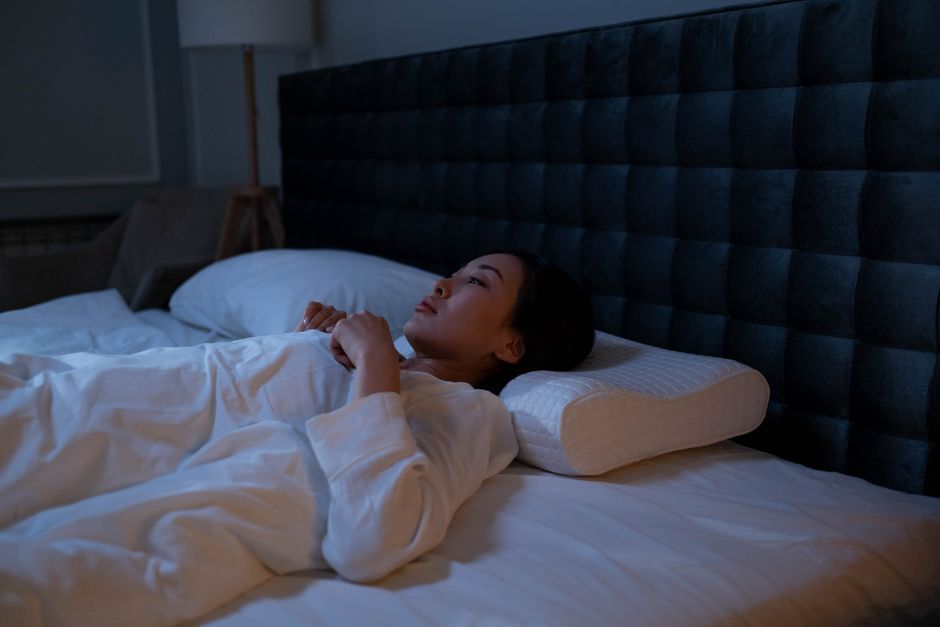
Yes, menopause can cause insomnia. The hormonal shifts of perimenopause and menopause change how easily you fall asleep and how well you stay asleep. Night sweats and hot flashes interrupt rest, and the drop in estrogen and progesterone affects the brain’s sleep-regulating chemistry. The good news is that several approaches, from hormone therapy to cognitive behavioral therapy for insomnia, have real evidence behind them.
How Does Menopause Cause Insomnia?
The transition to menopause involves some of the largest hormonal changes a woman experiences outside of pregnancy. Estrogen and progesterone do not simply decline. They swing unpredictably for years before settling at low levels.
That matters for sleep because both hormones influence the systems that govern it. Progesterone has a mild sedating effect, and its withdrawal during the night may contribute to sleep fragmentation. Estrogen helps regulate body temperature and influences serotonin and other neurotransmitters involved in sleep-wake timing. When estrogen fluctuates, the body’s thermostat narrows its comfort zone. The result is a core body temperature that rises at the wrong time, triggering hot flashes and night sweats that wake you.
There is another layer. Melatonin, the hormone that signals darkness and sleep onset, appears to shift with menopause. Some research indicates that melatonin production and timing change during this transition, which can delay sleepiness or cause earlier waking. The evidence here is still developing, but it fits the pattern many women describe: falling asleep fine at 10 p.m., then wide awake at 3 a.m.
Mood and sleep are also tightly linked. Rates of depression and anxiety rise during the menopausal transition, and both are strongly associated with insomnia. It is often hard to tell which came first. What is clear is that treating one usually helps the other.
What Are the Symptoms of Menopausal Insomnia?
Menopausal insomnia does not always look like classic difficulty falling asleep. It often shows up as sleep that starts fine but does not hold.
- Waking two or more times during the night
- Lying awake for long stretches after waking
- Waking earlier than intended and not returning to sleep
- Night sweats that soak sheets or pajamas
- Daytime fatigue, irritability, or trouble concentrating
- Sleep that feels unrefreshing even when the hours add up
These symptoms overlap heavily with insomnia from other causes, including sleep apnea, thyroid problems, and restless legs syndrome. That overlap matters. Insomnia during menopause is common, but it is not automatically caused by menopause. A woman who snores, wakes gasping, or feels exhausted despite eight hours in bed may have a separate condition that hormone changes did not create and will not fix.
How Long Does Sleep Trouble Last During Menopause?
For many women, sleep problems track with the transition itself. Perimenopause, the years leading up to the final menstrual period, is often when symptoms peak. Once periods stop and hormone levels stabilize at a lower baseline, many women report that sleep gradually improves.
But “gradually” is doing a lot of work in that sentence. Some women continue to have insomnia well past the transition. In those cases, the original hormonal trigger may be gone, but the sleep problem has become self-sustaining. Poor sleep creates its own habits: going to bed earlier and earlier, napping, worrying about sleep, and spending more time awake in bed. Those patterns keep insomnia alive long after hot flashes fade.
That is why timing matters for treatment. If you are still having night sweats, treating the hot flashes may resolve the sleep problem. If the hot flashes stopped a year ago and you are still lying awake, the target has likely shifted.





Can Menopause Cause Insomnia And How To Sleep Better With Lifestyle Changes?
Behavior changes are the first line of treatment for insomnia in general, and they hold up well during menopause. They are not a cure for hot flashes, but they reduce how much a hot flash disrupts the night.
Keep the bedroom cool. A room temperature a few degrees lower than you would normally choose helps, and layered bedding lets you adjust without getting up. Choose moisture-wicking sheets and sleepwear over heavy cotton or flannel. Avoid alcohol in the evening. It can make you feel sleepy at first, but it fragments sleep later in the night and often triggers night sweats. Caffeine has a long half-life, so an afternoon coffee can still be active at bedtime.
Timing of exercise matters less than consistency. Regular physical activity is associated with better sleep quality, though vigorous exercise close to bedtime can be stimulating for some people. If you want to test that, try moving your workout earlier and see whether sleep changes.
One often-overlooked point: lying in bed awake trains the brain to associate bed with frustration. If you are awake for what feels like a long stretch, get up, keep the lights low, and do something quiet until you feel sleepy again. This feels counterintuitive, but it is a core part of the most effective insomnia treatment.
What Treatments Help Menopausal Insomnia?
Two treatments have the strongest evidence, and they work in completely different ways.
Cognitive behavioral therapy for insomnia (CBT-I) is the recommended first-line treatment for chronic insomnia. It restructures the thoughts and behaviors that keep insomnia going. It works whether or not hot flashes are involved, and its benefits tend to last after treatment ends. It is available through trained therapists, and several digital programs deliver it as well.
Hormone therapy targets the underlying cause when hot flashes and night sweats are the main disruptors. Systemic estrogen, with or without a progestogen, reduces hot flashes and night sweats, and improving those symptoms tends to improve sleep. The catch is that hormone therapy is not appropriate for everyone. It carries risks that vary with age, time since menopause, and personal health history, so the decision belongs with a clinician who knows your situation.
Other options exist but with less certainty. Some antidepressants and certain other medications are used for hot flashes, and some are used for sleep. Melatonin supplements are widely sold, but the evidence for their effect on menopausal insomnia specifically is limited and results vary. No clinical guidelines currently recommend melatonin as a standard treatment for this. If you are considering any supplement or medication, talk with your clinician, especially if you take other drugs.
When Should You Talk to a Doctor About Sleep Problems?
Talk to a clinician if sleep problems last for weeks, affect your daytime functioning, or come with loud snoring, gasping, or restless legs. Those signs point to causes that menopause treatment will not address.
It is also worth raising if you feel persistently low or anxious. Depression and anxiety are common during this transition and are treatable, and treating them often improves sleep. Bring a simple record of when you wake, how often, and what seems to trigger it. That detail helps a clinician sort out whether the problem is hormonal, behavioral, or something else entirely.
Frequently Asked Questions
Can menopause cause insomnia?
Yes. The hormonal shifts of perimenopause and menopause can disrupt sleep through night sweats, temperature changes, and effects on sleep-regulating chemistry. Many women experience insomnia during this transition even if they slept well before.
How long does menopausal insomnia last?
For many women it eases as hormone levels stabilize after the final menstrual period, but some continue to have insomnia well beyond that point. When sleep problems persist after hot flashes stop, the insomnia has often become self-sustaining and needs its own treatment.
What is the best treatment for menopausal insomnia?
Cognitive behavioral therapy for insomnia is the recommended first-line treatment for chronic insomnia, and hormone therapy helps when hot flashes and night sweats are the main disruptors. The right choice depends on your symptoms and health history, so it is a decision to make with a clinician.
Does melatonin help with menopausal insomnia?
The evidence for melatonin specifically in menopausal insomnia is limited and results vary. No clinical guidelines currently recommend it as a standard treatment for this, so discuss it with your clinician before using it.
