
Yes, low iron can absolutely make you tired. In fact, fatigue is often the first and most noticeable symptom of iron deficiency. This happens because iron is a core component of hemoglobin, the protein in red blood cells that carries oxygen from your lungs to every tissue in your body. When iron levels drop too low, your body cannot produce enough healthy red blood cells, so your organs and muscles receive less oxygen than they need. That oxygen shortage directly translates into that heavy, persistent exhaustion that rest and sleep do not fix.
What Does Low Iron Fatigue Actually Feel Like?
The tiredness from low iron is different from ordinary sleepiness. Most people describe it as a deep, bone-weary exhaustion that makes everyday tasks feel like major efforts. You might feel weak, dizzy, or short of breath after climbing a single flight of stairs. Your muscles may ache without a clear reason, and you might notice your heart beating faster than normal even when you are sitting still.
This type of fatigue does not improve with a good night’s sleep. If you are sleeping seven to nine hours regularly and still waking up exhausted, iron deficiency is a reasonable thing to consider. Many people also report feeling unusually cold, especially in their hands and feet, and some experience headaches or difficulty concentrating alongside the tiredness.
How Iron Deficiency Causes Fatigue
Iron’s main job in the body is to help make hemoglobin. Each red blood cell contains millions of hemoglobin molecules, and each molecule needs iron to bind oxygen. Without enough iron, your bone marrow produces smaller, paler red blood cells that carry less oxygen. This condition is called iron deficiency anemia.
Your body prioritizes oxygen delivery to vital organs like the brain and heart. When iron is low, those organs still get oxygen, but muscles and other tissues get less. That is why the fatigue often feels physical — your muscles are literally running on reduced oxygen supply. Your heart also has to work harder to pump the smaller, less efficient red blood cells around your body, which adds to the feeling of being drained.
Iron also plays a role in energy production at the cellular level. It is part of enzymes involved in creating ATP, the molecule your cells use for energy. So even before anemia develops, low iron stores can affect how efficiently your cells produce energy. This means you can feel tired even when your hemoglobin levels are still within the normal range, a condition called iron deficiency without anemia.
Who Is Most at Risk for Low Iron?
Iron deficiency is the most common nutritional deficiency worldwide, but some groups face higher risk than others.
- Women with heavy menstrual periods lose iron through blood loss each month. This is the most common cause of iron deficiency in premenopausal women.
- Pregnant women need significantly more iron to support the growing fetus and increased blood volume.
- Vegetarians and vegans absorb iron from plant sources less efficiently than from animal sources. Plant-based iron, called non-heme iron, has lower bioavailability.
- People with gastrointestinal conditions like celiac disease, Crohn’s disease, or ulcerative colitis may have impaired iron absorption or chronic blood loss.
- People taking certain medications such as aspirin or nonsteroidal anti-inflammatory drugs (NSAIDs) long-term may have slow, unnoticed gastrointestinal bleeding.
- Older adults may have reduced iron absorption or chronic health conditions that contribute to deficiency.
- Athletes, especially endurance athletes, lose iron through sweat, foot-strike hemolysis, and increased red blood cell turnover.
If you fall into any of these categories and feel persistently tired, low iron deserves consideration as a possible cause.
Other Symptoms of Iron Deficiency to Watch For
Fatigue is rarely the only symptom. Iron deficiency often produces a cluster of signs that together point toward the diagnosis.
- Pale or sallow skin, especially noticeable in the face, inner eyelids, and nail beds
- Brittle nails that chip or break easily, sometimes with a spoon-shaped curve
- Shortness of breath with minimal exertion
- Dizziness or lightheadedness, especially when standing up quickly
- Cold hands and feet even in warm environments
- Unusual cravings for non-food items like ice, dirt, or paper — a condition called pica
- Sore or smooth tongue
- Restless legs syndrome, especially at night
- Frequent headaches
Having several of these symptoms alongside fatigue makes iron deficiency more likely. But none of these symptoms alone confirms the diagnosis. Many other conditions — thyroid disorders, vitamin B12 deficiency, depression, sleep apnea, and chronic fatigue syndrome — can produce similar symptoms.
How Is Low Iron Diagnosed?
You cannot diagnose iron deficiency from symptoms alone. A simple blood test is required. The most useful tests include:
- Complete blood count (CBC) — measures hemoglobin and red blood cell size. Low hemoglobin indicates anemia.
- Serum ferritin — reflects your body’s stored iron. This is the most sensitive test for iron deficiency. Low ferritin confirms depleted iron stores even when hemoglobin is still normal.
- Transferrin saturation — shows how much iron is actually circulating in your blood and available for use.
A ferritin level below 30 ng/mL is generally considered iron deficiency, even if hemoglobin remains normal. Some clinicians use a threshold of 50 ng/mL for athletes or people with persistent symptoms. Your doctor will interpret these results in the context of your overall health and symptoms.
How to Raise Your Iron Levels
If blood tests confirm iron deficiency, treatment typically involves iron supplements and dietary changes. The goal is to restore iron stores to normal, not just to relieve fatigue.
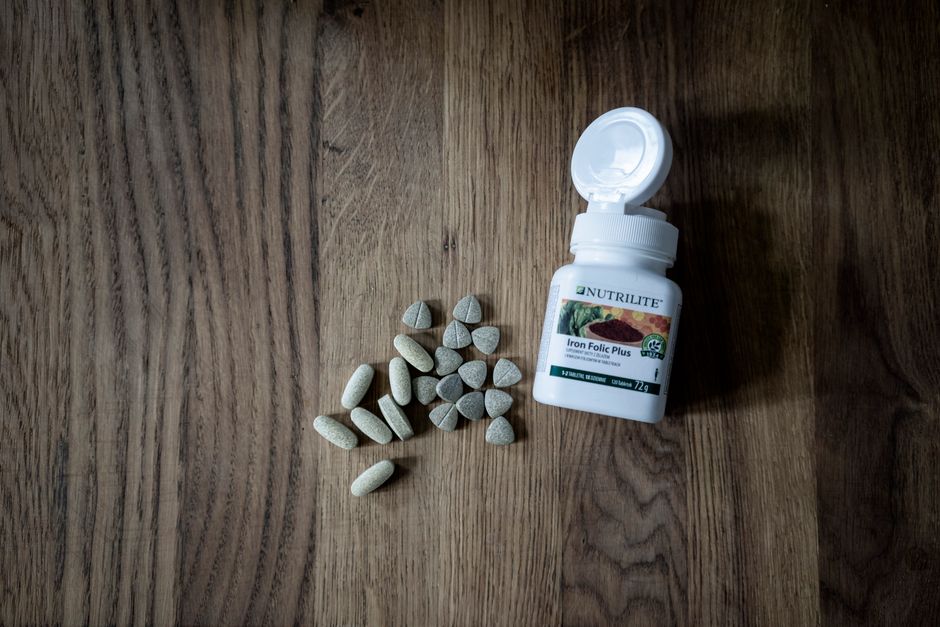
Iron supplements are the most effective way to correct a deficiency. Ferrous sulfate, ferrous gluconate, and ferrous fumarate are common forms. The typical dose for treating deficiency in adults is 65 to 200 mg of elemental iron per day, divided into doses. Your doctor will determine the right dose based on your blood test results and medical history. Do not self-prescribe high doses of iron — too much iron can cause organ damage.
Iron supplements are most effective when taken on an empty stomach with vitamin C, which enhances absorption. However, many people experience nausea or constipation with oral iron. Taking iron with food reduces stomach upset but also reduces absorption. If side effects are a problem, your doctor may recommend a lower dose, a different formulation, or taking the supplement every other day. Research suggests that alternate-day dosing may be as effective as daily dosing with fewer side effects.
Dietary changes can help maintain iron levels but are rarely enough to correct an established deficiency on their own. Heme iron from animal sources — red meat, poultry, fish — is absorbed much more efficiently than non-heme iron from plants. Good plant sources include lentils, beans, tofu, spinach, and fortified cereals. Pairing plant iron with vitamin C-rich foods like citrus fruits, tomatoes, or bell peppers improves absorption. Avoid drinking tea or coffee with meals, as tannins can reduce iron absorption.
After starting treatment, most people notice improvement in fatigue within two to four weeks. Full restoration of iron stores takes longer — usually three to six months. Your doctor will likely recheck your blood levels after several weeks to confirm the treatment is working.
When to See a Doctor
Persistent fatigue that interferes with daily life deserves medical evaluation. If you have been tired for more than a few weeks despite adequate sleep, schedule an appointment with your healthcare provider. Ask for a blood test that includes ferritin, not just a CBC. A standard CBC can miss iron deficiency without anemia.
Seek urgent medical care if fatigue comes on suddenly and severely, if you faint, if you have chest pain, or if you feel short of breath at rest. These symptoms require prompt evaluation for more serious conditions.
Also see a doctor before starting iron supplements on your own. Iron is not a harmless supplement to take casually. Excess iron accumulates in organs and can cause liver damage, heart problems, and other complications over time. A blood test first ensures you are treating the right problem at the right dose.
Can Low Iron Make You Tired Even Without Anemia?
Yes. Iron deficiency without anemia is a recognized condition that causes fatigue even when hemoglobin levels are normal. In this state, your body has depleted its iron stores but still has enough iron to produce adequate red blood cells. However, the reduced iron availability affects cellular energy production and oxygen utilization.
Research has shown that people with iron deficiency without anemia report significant fatigue and reduced exercise capacity. In several studies, iron supplementation improved fatigue and physical performance in this group, even though their hemoglobin was in the normal range. This is why ferritin testing matters — it catches iron deficiency earlier than a hemoglobin test alone.
Frequently Asked Questions
How quickly does iron supplementation improve fatigue?
Most people notice improvement in energy levels within two to four weeks of starting iron supplements. Full restoration of iron stores takes three to six months of consistent treatment.
Can low iron cause tiredness even if my hemoglobin is normal?
Yes, iron deficiency without anemia can cause fatigue because iron is needed for cellular energy production beyond just making red blood cells. A ferritin test is needed to detect this condition.
What foods are best for increasing iron levels?
Red meat, poultry, and fish provide heme iron, which the body absorbs most efficiently. Lentils, beans, tofu, and fortified cereals provide plant iron, which is better absorbed when paired with vitamin C-rich foods.
Is it safe to take iron supplements without a blood test?
No, taking iron without testing first is not recommended because excess iron can damage organs. A simple blood test can confirm whether you actually need supplementation.
