

Yes, low blood sugar can make you feel sick. The medical term for low blood sugar is hypoglycemia, and nausea is a recognized symptom. It happens most often in people with diabetes who take insulin or certain other medications, though other causes exist.
The feeling is often described as a wave of queasiness that comes on quickly, sometimes with sweating, shakiness, or a racing heart. It is not the same as the nausea from a stomach bug. It comes from the brain and body reacting to a fuel shortage, not from stomach irritation.
What Happens in the Body When Blood Sugar Drops?
Glucose is the main fuel your brain and muscles run on. When blood sugar falls below the level your body needs, it releases hormones like adrenaline and cortisol to correct the problem. Adrenaline is the same chemical behind the “fight or flight” response, and it drives many of the early symptoms of hypoglycemia.
That adrenaline surge is what causes the shaky, sweaty, heart-pounding feeling. Nausea can come along with it. Some researchers believe the nausea is part of the body’s attempt to signal that something is wrong and to make you stop and eat. Others point to the effect of low glucose on the brain itself, particularly on areas that control digestion and the vomiting reflex.
The key point is that nausea from low blood sugar is a brain and hormone response, not a stomach problem. That is why it tends to improve quickly once blood sugar comes back up, rather than lingering the way a stomach bug does.
Can Low Blood Sugar Cause Sickness in People Without Diabetes?
True hypoglycemia in people without diabetes is uncommon, but it does happen. The body has strong systems in place to keep blood sugar steady, even during long stretches without food. For most healthy adults, skipping a meal does not cause blood sugar to drop into the hypoglycemic range.
When it does happen without diabetes, the causes tend to fall into a few categories:
- Reactive hypoglycemia: Blood sugar drops within a few hours after eating, sometimes after a high-sugar meal. The evidence for how common this is remains debated.
- Alcohol use: Drinking heavily, especially without eating, can block the liver from releasing stored glucose.
- Certain medications: Some drugs besides diabetes medications can lower blood sugar.
- Medical conditions: Rare hormone problems, severe liver or kidney disease, and some tumors can cause low blood sugar.
- Prolonged fasting or starvation: Extreme cases, not typical meal skipping.
If you have repeated episodes of low blood sugar and you do not have diabetes, that is worth a medical evaluation. It is not something to self-diagnose or manage on your own.
What Are the Symptoms of Hypoglycemia?
Symptoms vary from person to person and can shift over time. Early symptoms are usually the adrenaline-driven ones. As blood sugar drops further, brain-related symptoms appear.
Common early symptoms include:
- Shakiness or trembling
- Sweating, often sudden and cold
- Racing or pounding heartbeat
- Sudden hunger
- Nausea
- Anxiety or irritability
- Tingling around the mouth or fingers
If blood sugar keeps dropping, symptoms can progress to confusion, difficulty concentrating, slurred speech, blurred vision, and eventually loss of consciousness. This is why treating low blood sugar quickly matters. Nausea can make treatment harder, because eating or drinking when you feel sick is difficult.
One detail worth knowing: some people with diabetes lose the early warning symptoms over time, a condition called hypoglycemia unawareness. They may go straight to confusion or other brain symptoms without the shaking and sweating. This is more common in people who have had diabetes for many years or who have frequent low blood sugar episodes.



How Is Low Blood Sugar Treated?
The standard approach for treating low blood sugar is the “rule of 15,” which is widely taught in diabetes education. It works like this: take 15 grams of fast-acting carbohydrate, wait 15 minutes, then check your blood sugar again. If it is still low, repeat.
Fifteen grams of fast-acting carbohydrate can come from:
- 4 ounces (about half a cup) of regular fruit juice or soda
- 4 glucose tablets
- 1 tablespoon of sugar or honey
- 1 tube of glucose gel
If you feel nauseated, glucose tablets or gel may be easier to keep down than food or drink. This is a practical reason why many people with diabetes carry glucose tablets rather than relying on snacks.
For severe hypoglycemia where a person cannot swallow safely, glucagon is the treatment. It comes as an injection or a nasal spray and requires a prescription. Family members and caregivers can be trained to give it. This is a medical emergency, and calling 911 is appropriate.
Do not use diet drinks, candy without sugar, or foods high in fat to treat low blood sugar. Fat slows the absorption of glucose, and sugar-free products will not raise blood sugar at all.
When Should You Be Concerned About Nausea and Low Blood Sugar?
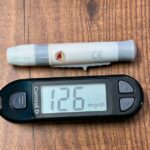
Nausea alone is rarely the first sign of low blood sugar. If you feel sick and also have shakiness, sweating, or a racing heart, checking your blood sugar is reasonable if you have a meter. If you do not have diabetes and have no way to check, the situation is different.
Seek medical attention if:
- You have repeated episodes of low blood sugar without diabetes
- You have confusion, slurred speech, or trouble staying awake
- You cannot keep food or drink down because of nausea
- You have diabetes and low blood sugar that does not respond to treatment
- Someone with diabetes becomes unconscious or has a seizure
For people with diabetes, frequent low blood sugar is a sign that the treatment plan may need adjusting. That is a conversation to have with a doctor, not something to fix by changing medication doses on your own.
Does Nausea From Low Blood Sugar Feel Different From Other Nausea?
Often, yes. Nausea from low blood sugar tends to come on quickly and is usually accompanied by other symptoms like sweating, trembling, or a pounding heart. It also tends to resolve within minutes after blood sugar is corrected.
Nausea from a stomach virus or food poisoning usually builds more slowly, may come with vomiting or diarrhea, and does not improve with a glucose tablet. Nausea from anxiety can feel similar to hypoglycemia because both involve adrenaline, which is why checking blood sugar is useful when possible.
If you have diabetes and you feel nauseated but your blood sugar is normal or high, the nausea is likely from something else. High blood sugar can also cause nausea, especially if it progresses to a serious condition called diabetic ketoacidosis. That is a different problem and requires urgent care.
Can Low Blood Sugar Cause Sickness in the Long Term?
Low blood sugar is not known to cause chronic nausea or lasting digestive problems. The sickness it causes is temporary and tied to the episode itself. Once blood sugar returns to normal, the nausea typically goes away.
What repeated low blood sugar can do over time is make future episodes harder to recognize. This is the hypoglycemia unawareness mentioned earlier. It does not cause permanent nausea, but it does raise the risk of severe episodes because the warning signs become less reliable.
The evidence on long-term effects of repeated severe hypoglycemia on brain function is mixed. Some studies suggest a link to cognitive changes in older adults with diabetes, but results vary and the research is ongoing. It is an area where the honest answer is that we do not have a clear picture yet.
Frequently Asked Questions
Can low blood sugar make you throw up?
It can cause nausea, and in some people that nausea leads to vomiting. Vomiting is less common than nausea alone but does happen, especially with severe drops.
What does low blood sugar nausea feel like?
It usually feels like a sudden wave of queasiness, often with sweating, shakiness, or a racing heart. It tends to come on fast and improve quickly once blood sugar rises.
How do you treat low blood sugar if you feel sick?
Try glucose tablets or glucose gel, which are easier to keep down than food or juice. Follow the rule of 15: take 15 grams of fast-acting carbohydrate, wait 15 minutes, and recheck.
Can you have low blood sugar without diabetes?
It is uncommon but possible. Causes include alcohol use, certain medications, and rare medical conditions, and repeated episodes should be evaluated by a doctor.
