
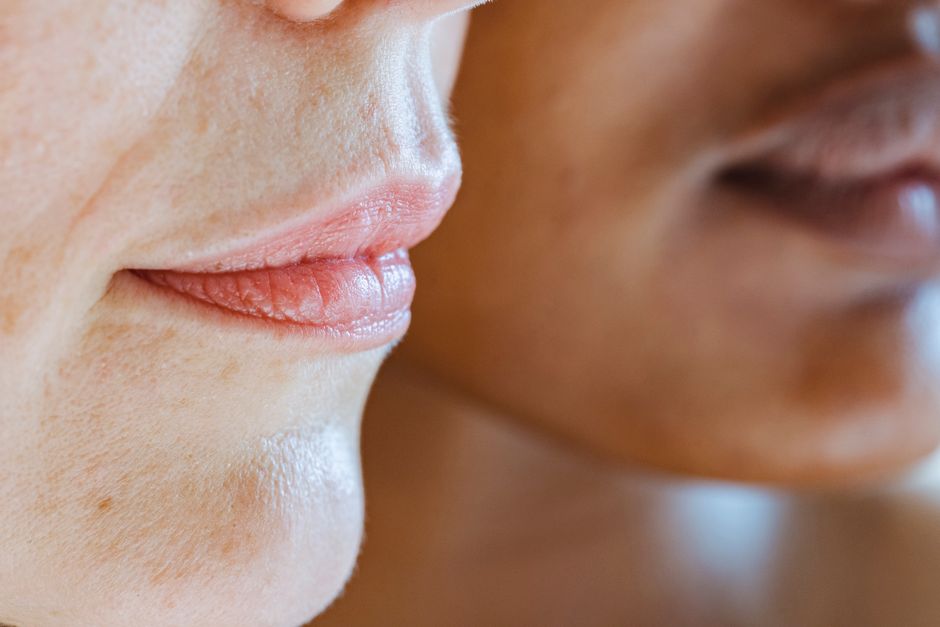
Yes, lips can absolutely get sunburned. In fact, they burn more easily than most parts of your body. The skin on your lips is far thinner than the skin on your face, and it contains very little of the pigment that helps block ultraviolet radiation. That combination makes your lips one of the most sun-vulnerable spots on your body — and one of the most overlooked.
Can Lips Get Sunburned?
Yes. Lips are covered by a thin layer of skin with almost no melanin, the pigment that gives skin its color and provides some natural protection against UV rays. Because of this, lips can burn quickly — often faster than the skin on your arms, legs, or back.
Most people never think to protect their lips the way they protect their shoulders or nose. That oversight is common. A day at the beach with sunscreen on your face but nothing on your mouth can leave you with a painful, swollen lip burn by evening.
The lips also lack oil glands and sweat glands. That means they have no natural moisture barrier to help them recover. Once they burn, they tend to dry out, crack, and peel more than other areas of skin.
Why Do Lips Burn More Easily Than Other Skin?
The anatomy of your lips explains almost everything about why they are so vulnerable. The skin on your lips — called the vermilion — is extremely thin, roughly a few cell layers deep compared to the much thicker skin elsewhere on your body. That thinness means UV radiation penetrates more easily and reaches living tissue faster.
Melanin is your body’s built-in sunscreen. It absorbs UV radiation and helps prevent the DNA damage that leads to sunburn and, over time, skin cancer. Your lips have very little melanin compared to the rest of your skin, regardless of your natural skin tone. Even people with dark skin have relatively little melanin in their lips.
Your lips also sit in a spot that catches direct sunlight from above and reflected light from below. Water, sand, snow, and concrete all bounce UV rays upward onto your face. That double exposure adds up.
One detail worth understanding: the transition zone where your lip skin meets the skin of your face — the vermilion border — is where many lip cancers begin. That boundary line gets a lot of cumulative sun exposure over a lifetime.
What Does a Sunburned Lip Look and Feel Like?
A sunburned lip usually makes itself known within a few hours of sun exposure. The first signs are often a warm, tingling, or tight feeling. Then the lip may swell, turn red or darker than usual, and feel tender to the touch.
Common signs of sunburned lips include:
- Swelling or puffiness, sometimes significant
- Redness or a darker tone than your normal lip color
- Pain, burning, or stinging
- Dryness and a feeling of tightness
- Blistering in more severe burns
- Peeling or flaking as the burn heals
Lip burns can be more uncomfortable than burns elsewhere because you use your mouth constantly — talking, eating, drinking, and smiling all stretch and irritate the damaged skin. Blisters on the lips can also break open, which raises the risk of infection.
Peeling usually starts a few days after the burn. Resist the urge to pick at it. Pulling off peeling skin can tear the healthy layer underneath and slow healing.




How Long Does a Sunburned Lip Take to Heal?
Most mild lip sunburns heal within about three to five days, similar to sunburn on other parts of the body. More severe burns with blistering can take a week or longer.
Healing time depends on how much UV exposure your lips received and how you care for them afterward. Because lips lack oil and sweat glands, they do not rehydrate themselves the way other skin does. That can make the healing process slower and more uncomfortable.
The evidence on speeding up healing is limited. What is well established is that damaged skin heals best when it stays moist and is not further irritated. Gentle lip balm, cool compresses, and drinking plenty of water can help you stay comfortable. Avoid picking or exfoliating the area.
If a lip burn blisters badly, does not improve after several days, or shows signs of infection — increasing pain, pus, or spreading redness — see a doctor. These are not typical of a mild burn.
How Can You Protect Your Lips From the Sun?
The most reliable way to protect your lips is a lip balm with a broad-spectrum sunscreen. Look for one that states broad-spectrum protection and has an SPF of 30 or higher. Broad-spectrum means it blocks both UVA and UVB rays.
Reapply often. Lip balm wears off quickly through talking, eating, and drinking. The general guidance for sunscreen is to reapply at least every two hours, and sooner if you are swimming or sweating. That applies to your lips too.
Other protective steps that help:
- Wear a wide-brimmed hat that shades your face and mouth
- Seek shade during the middle of the day when UV rays are strongest
- Use lip balm with SPF year-round, not just in summer
- Remember that UV rays reflect off water, sand, and snow, reaching your lips from below
Many regular lip balms offer no sun protection at all. Some may even make things worse. Ingredients like menthol, camphor, and certain fruit acids can irritate already-sensitive lips. Plain petroleum jelly seals in moisture but does not block UV rays on its own.
A non-obvious point: cloudy days still deliver UV radiation. Up to a large share of UV rays passes through cloud cover. If you are outside for extended periods, protect your lips whether or not the sun is out.
Are Sunburned Lips a Sign of Something More Serious?
Occasional lip sunburn is common and usually not a concern. But repeated, unprotected sun exposure to the lips is a real risk factor for lip cancer, particularly on the lower lip, which faces upward and catches the most sun.
Lip cancer is not rare. The lower lip is one of the more common sites for skin cancer on the face. Most lip cancers are related to cumulative UV exposure over many years, which is why they tend to appear later in life. Other risk factors include smoking and heavy alcohol use.
Watch for changes that do not heal. See a doctor or dentist if you notice:
- A sore or ulcer on the lip that does not heal within a few weeks
- A persistent white or red patch on the lip
- A lump, thickening, or crusty area
- Numbness or unusual bleeding
These signs do not mean you have cancer. Many lip sores have harmless causes. But any lip change that lingers deserves a professional look, because early detection makes a real difference in outcomes.
Do Darker Skin Tones Protect the Lips?
Darker skin tones offer more natural protection for most of the body, but that protection does not extend to the lips. The lips have very little melanin in people of all skin tones, so everyone’s lips are vulnerable.
People with darker skin can and do get sunburned lips. They can also develop lip cancer. The assumption that darker skin means no sun protection is a common and potentially harmful myth. Sun protection for the lips is a good idea for everyone.
This is one of the clearest examples of how lip anatomy differs from the rest of the body. Your overall skin tone tells you very little about how well your lips will handle UV exposure.
Frequently Asked Questions
Can your lips get sunburned through a car window?
Yes. Standard car glass blocks most UVB rays but lets a significant amount of UVA through, and UVA contributes to burning and skin damage. If you drive long distances with sun on your face, protect your lips.
Is lip balm with SPF enough on its own?
It helps, but it works best alongside other protection like a hat and shade. Lip balm wears off quickly, so reapplying at least every two hours matters more than the SPF number alone.
How fast can lips get sunburned?
Because lip skin is so thin and low in melanin, burning can begin in a relatively short time, especially during peak midday hours. Fair-skinned people may notice signs within an hour of strong direct sun.
Should you put ice directly on a sunburned lip?
No. Direct ice can further damage already-injured skin. A cool compress wrapped in a cloth is a gentler option, and keeping the area moisturized helps with comfort.
