
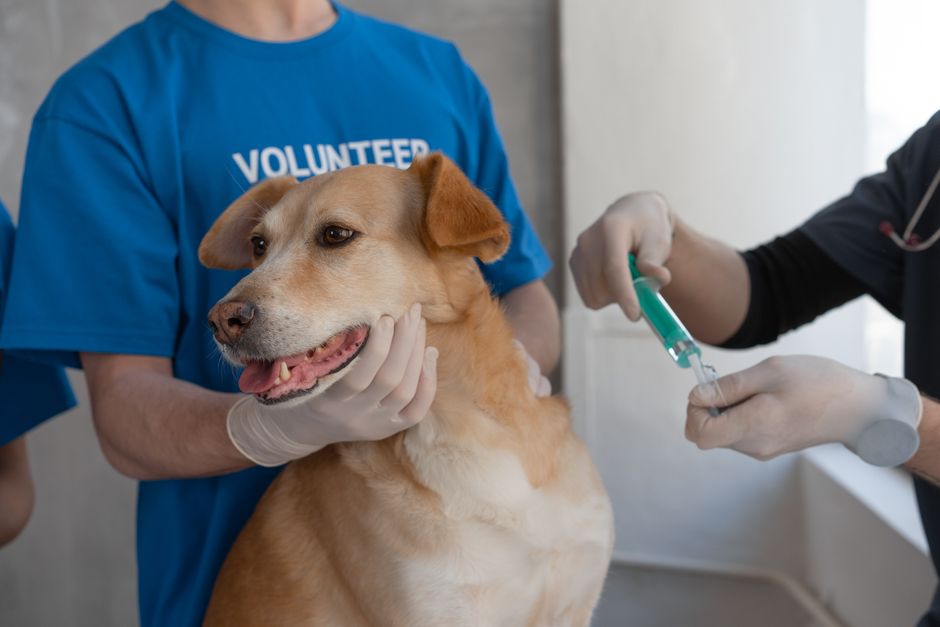
Yes, kennel cough can spread to humans, but it is very rare and almost always only affects people with weakened immune systems. The bacteria Bordetella bronchiseptica, which causes most cases of kennel cough in dogs, can infect humans. Healthy adults are unlikely to get sick from their dog’s cough.
What is kennel cough?
Kennel cough is a common respiratory infection in dogs. It is similar to a human cold. Dogs get a loud, hacking cough that can sound like they are choking. The infection is usually caused by a combination of bacteria and viruses. The main bacterial cause is Bordetella bronchiseptica. Common viruses include canine parainfluenza and canine adenovirus.
The infection spreads easily between dogs in close quarters, like kennels, dog parks, or grooming facilities. Dogs breathe in droplets from an infected dog’s cough or sneeze. They can also pick up the germs from shared water bowls, toys, or bedding.
Can humans catch kennel cough from dogs?
Yes, humans can catch kennel cough from dogs, but it is not common. The Bordetella bronchiseptica bacteria is a known zoonotic pathogen. That means it can jump from animals to people. However, your immune system usually fights it off before you get sick.
Most documented cases of human infection involve people with serious health problems. This includes individuals with HIV/AIDS, cancer patients on chemotherapy, organ transplant recipients, people with chronic lung disease, and those taking medications that suppress the immune system. In these cases, the bacteria can cause a persistent cough, bronchitis, or even pneumonia.
For a healthy adult, the risk is extremely low. Research shows that Bordetella bronchiseptica is a rare cause of human illness. Some studies have found that it can occasionally cause respiratory symptoms in people who work closely with animals, such as veterinarians or kennel workers, but even then it is unusual.
Who is at risk of getting kennel cough from a dog?
The main risk group is people with weakened immune systems. This includes:
- People undergoing chemotherapy or radiation
- Organ or bone marrow transplant recipients
- People with HIV/AIDS and low CD4 counts
- Individuals taking long-term corticosteroids or other immunosuppressive drugs
- People with chronic obstructive pulmonary disease (COPD) or cystic fibrosis
- Infants and very elderly adults with frail health
Pregnant women with normal immune function are not considered high risk. No evidence suggests pregnancy alone makes someone more susceptible. However, if a pregnant woman also has an immune-compromising condition, the risk may be higher. There are no established guidelines for kennel cough in pregnancy, so a doctor should be consulted if exposure occurs.





What are the symptoms of kennel cough in humans?
In the rare cases where a human gets infected, symptoms are typically mild and resemble a common cold. They may include a runny nose, sore throat, mild cough, and low fever. The cough can be persistent and may last for several weeks.
In people with weakened immune systems, the infection can be more serious. It may progress to bronchitis or pneumonia. Symptoms then include high fever, chills, productive cough with green or yellow mucus, shortness of breath, and chest pain. This requires medical treatment.
It is important to note that a cough in a person exposed to a dog with kennel cough is not automatically kennel cough. Many other viruses, including the common cold and influenza, cause similar symptoms. A doctor would need to test for Bordetella bronchiseptica to confirm the cause.
How is kennel cough diagnosed and treated in humans?
A doctor may suspect kennel cough in a person with respiratory symptoms who has close contact with an infected dog, especially if the person is immunocompromised. Diagnosis is made by culturing the bacteria from a sputum sample or a nasopharyngeal swab. PCR tests can also detect the genetic material of Bordetella bronchiseptica.
For mild cases in healthy people, no specific treatment is needed. The infection usually clears on its own. Rest, fluids, and over-the-counter cough remedies can help manage symptoms.
For people with weakened immune systems or severe illness, antibiotics are used. Bordetella bronchiseptica is typically sensitive to antibiotics like doxycycline, azithromycin, or trimethoprim-sulfamethoxazole. Treatment usually lasts 10 to 14 days. It is important to follow the doctor’s instructions and complete the full course.
How can you prevent kennel cough from spreading to humans?
Prevention focuses on limiting exposure to the bacteria. If your dog has kennel cough, take these steps:
- Keep your dog away from other pets and from people with weak immune systems.
- Wash your hands thoroughly after touching your dog, especially before eating or touching your face.
- Clean and disinfect surfaces your dog touches, such as food bowls, toys, and bedding. Use a disinfectant that kills bacteria, like diluted bleach (1 part bleach to 32 parts water).
- Avoid letting your dog lick your face.
- Cover your nose and mouth if your dog coughs or sneezes near you.
People with weakened immune systems should ideally have someone else care for the sick dog until it recovers. If that is not possible, wear a mask and gloves when handling the animal, and wash hands frequently.
Vaccinating your dog against kennel cough reduces the risk of infection, but does not eliminate it entirely. The vaccine targets the most common causes, but dogs can still get a milder form of the illness.
When should you see a doctor after exposure?
If you are a healthy adult and develop mild cold symptoms after your dog has kennel cough, you do not usually need medical attention. Rest at home and monitor your symptoms.
See a doctor if you have a weakened immune system and develop any respiratory symptoms after exposure. Also see a doctor if you have a fever above 101°F, difficulty breathing, chest pain, or if your cough produces thick mucus. These may be signs of a more serious infection.
Tell your doctor that you have been exposed to a dog with kennel cough. This information can help them decide on the right tests and treatment.
Frequently Asked Questions
Can you catch kennel cough from your dog licking you?
Yes, it is possible in theory if the dog has Bordetella bronchiseptica bacteria in its mouth, but the risk is extremely low for a healthy person. The bacteria are more likely to spread through respiratory droplets from coughing or sneezing.
How long does kennel cough last in humans?
In the rare case a healthy person gets infected, symptoms usually clear within one to three weeks. Immunocompromised individuals may have symptoms that last longer or require antibiotic treatment.
Can children get kennel cough from dogs?
Children with normal immune systems are not at higher risk than adults. However, children with chronic illnesses or weakened immunity should avoid close contact with a coughing dog. No specific guidelines exist for otherwise healthy children, so common sense hygiene applies.
Is there a vaccine for humans against kennel cough?
No, there is no human vaccine for Bordetella bronchiseptica infection. Prevention relies on avoiding exposure and maintaining good hygiene.
