
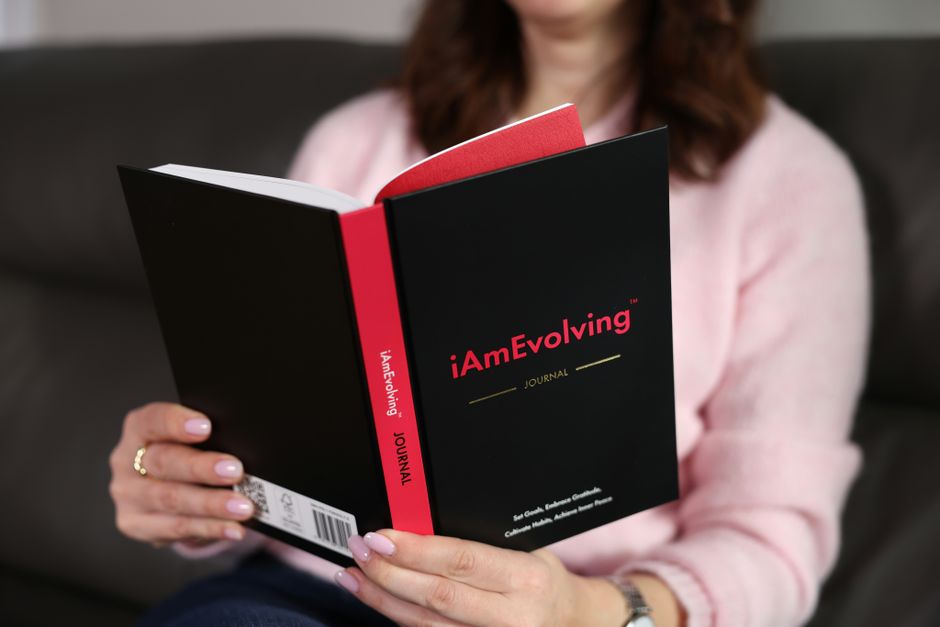
Writing things down can help with anxiety, and the research behind that claim is stronger than most people expect. Studies have found that expressive writing and structured journaling can reduce symptoms of anxiety in many people, though the effect varies and journaling is not a substitute for treatment when anxiety is severe. What journaling does well is give anxious thoughts somewhere to go besides the loop inside your head.
That sounds simple. It is not the same as keeping a diary. The way you write matters, and some approaches have better evidence behind them than others.
Can Journaling Help Anxiety? What the Research Shows
Expressive writing has been studied for decades, and the findings are consistent enough to take seriously. The strongest thread comes from research on expressive writing pioneered by psychologist James Pennebaker, whose work in the 1980s and 1990s found that writing about emotional experiences for short periods produced measurable changes in mood and even some physical health markers.
Since then, studies have looked specifically at anxiety. A commonly cited finding is that writing about upsetting experiences can reduce anxiety and depressive symptoms, sometimes for weeks after the writing sessions end. The effects are real but modest. Journaling tends to help most when it is done regularly and paired with some structure, rather than as a one-time exercise.
It helps to be clear about what the evidence does and does not show. Research on journaling is not as large or as rigorous as research on therapy or medication for anxiety. Many studies are small, and results vary between people. No major clinical guideline lists journaling as a first-line treatment for anxiety disorders. What the evidence supports is journaling as a low-cost, low-risk self-help practice that can reduce symptoms for some people, especially when used alongside other strategies.
Why Does Writing Things Down Calm Anxious Thoughts?
Anxiety keeps thoughts circling. You worry, try to stop worrying, and the worry returns. Writing interrupts that cycle because it moves thoughts from the mind onto paper, where they can be looked at rather than just felt.
There is a well-established psychological concept behind this. Psychologists call it cognitive offloading — the idea that writing something down frees up mental resources because you no longer have to hold the information in working memory. When anxious thoughts are on the page, your brain has less reason to keep rehearsing them.
Writing also slows thinking down. Anxious thoughts tend to race. Handwriting is slower than thought, which forces a kind of pacing. In that slower space, a vague dread often becomes a specific worry you can actually examine.
There is a physiological layer too. Slow, deliberate writing tends to involve slower breathing, and slow breathing is associated with activation of the parasympathetic nervous system — the branch of the nervous system that calms the body after stress. This is a general effect of slowed, focused activity, not something unique to journaling, and it is not a treatment for an anxiety disorder on its own.
Does Expressive Writing Work Better Than Keeping a Diary?
Yes, in most cases. The two are not the same thing, and the research favors structured expressive writing over daily record-keeping.
A diary tends to record events: what happened, who said what, how the day went. Expressive writing asks you to go further and write about how you feel and why. That difference matters. The emotional processing is what seems to drive the benefit, not the logging of facts.
The original expressive writing studies used a specific format: write continuously for a set period about your deepest thoughts and feelings regarding a stressful experience, without worrying about grammar or spelling. Participants typically wrote for around 15 to 20 minutes on consecutive days. This is a well-documented research protocol, though the exact duration and number of sessions varied across studies and no single schedule is established as optimal.
If you want to try it, the practical version is simple. Set a timer. Write without stopping or editing. Do not worry about making sense. Write about what is bothering you and how it feels, not just what happened.
Which Type of Journaling Is Best for Anxiety?
Different formats suit different people, and the evidence is uneven across them. Here is a plain comparison.
- Expressive writing — writing freely about emotional experiences. This has the most research behind it for reducing anxiety and stress.
- Gratitude journaling — noting things you are thankful for. Some studies suggest it can improve mood, though the evidence for anxiety specifically is more limited and mixed.
- Worry journaling — writing down worries, sometimes with a scheduled “worry time” to review them. This draws on cognitive behavioral therapy principles, where it is a recognized technique for managing worry.
- Bullet journaling and habit tracking — organizing tasks and goals. Useful for structure and planning, but there is little evidence it reduces anxiety symptoms directly.
- Morning pages — writing several pages first thing in the morning without editing. Popular, but not well studied in clinical research.
The honest takeaway is that expressive writing and worry-focused approaches have the clearest grounding. Gratitude and planning journals may help some people feel better organized or more positive, but do not assume they treat anxiety because they feel good to do.
How Should You Start Journaling for Anxiety?
Start small and keep it low-pressure. The people who benefit most are usually the ones who can do it without turning it into another thing to fail at.
Pick a time when you are not rushed. Many people write in the evening to clear their head before sleep, or in the morning to set a calmer tone for the day. Neither is proven superior. Choose what fits your life.
Try a short session first: a few minutes of continuous writing about whatever is weighing on you. If that feels manageable, build toward the longer sessions used in research. Stop if writing starts to feel like rumination — going over the same painful ground again and again without moving forward. That is a sign to shift approach or talk to someone.
Keep it private. The benefit comes from honesty, and honesty is easier when you are not writing for an audience, even an imagined one.
When Is Journaling Not Enough?
Journaling is a self-help tool, not a treatment for an anxiety disorder. If anxiety is interfering with work, relationships, sleep, or daily functioning, it deserves professional attention.
Signs that it is time to reach out include persistent worry that is hard to control, panic attacks, avoidance of situations that trigger anxiety, and physical symptoms like a racing heart or trouble sleeping that do not settle. Anxiety disorders are common and treatable. Talk therapy — particularly cognitive behavioral therapy — and medication where appropriate have far stronger evidence than journaling alone.
Journaling can still be part of the picture. Many therapists suggest writing between sessions, and some structured writing exercises are used within therapy itself. But it works best as a supplement, not a replacement.
One more caution. For people with a history of trauma, writing in depth about painful experiences without support can sometimes stir up distress rather than relieve it. If that happens, stop and consider working with a professional.
How Long Does It Take to Feel a Difference?
Some people notice a calmer mind after a single session. That immediate relief is real but usually temporary. More lasting changes tend to show up over weeks of regular practice, based on the timelines used in expressive writing research.
There is no reliable way to predict how quickly it will work for any one person, and the evidence does not support a specific timeline. Some people find journaling does little for them. That is not a failure. It means another approach may fit better.
Frequently Asked Questions
Can journaling help anxiety?
Yes, research suggests journaling can reduce anxiety symptoms for many people, especially expressive writing about emotions. The effects are modest and it works best alongside other strategies rather than as a stand-alone treatment.
How often should you journal for anxiety?
Regular practice tends to work better than occasional writing, and expressive writing studies often used short sessions on consecutive days. No single schedule is established as best, so a few minutes most days is a reasonable starting point.
Is it better to journal by hand or on a phone?
There is no strong evidence that one is better than the other for anxiety. Handwriting is slower and may encourage more deliberate reflection, but typing is fine if it means you actually do it.
Can journaling make anxiety worse?
It can for some people, particularly if writing turns into repeated rumination or brings up trauma without support. If journaling leaves you more distressed, stop and consider talking to a professional.
