
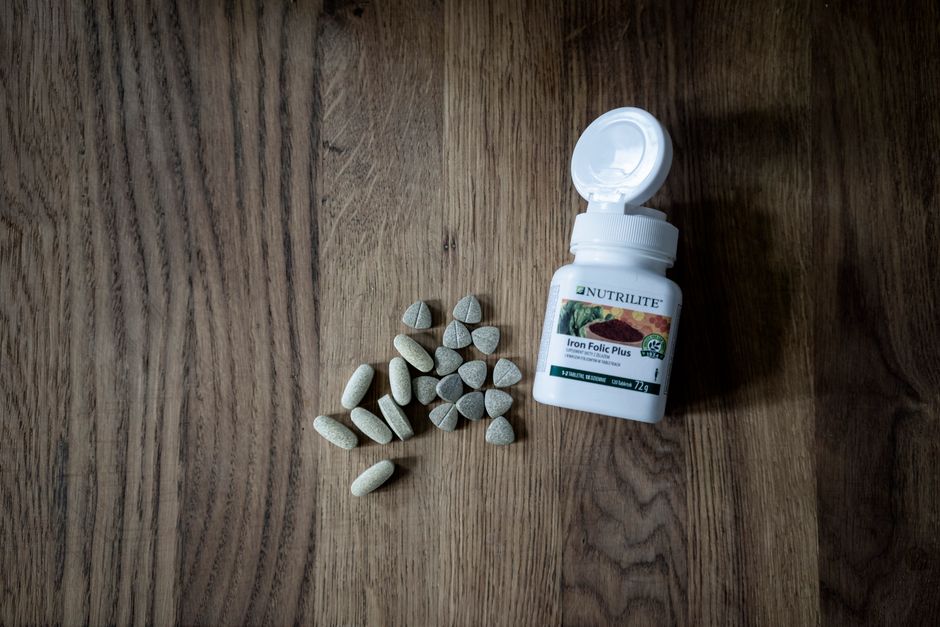
Iron supplements are not a classic acne trigger, but they can contribute to breakouts in some people — usually through indirect routes rather than a direct effect on the skin. The most common connection involves constipation and changes in gut bacteria, which can influence inflammation and hormone processing. Iron can also drive oxidative stress in the skin when levels get too high, and some people taking iron for a diagnosed deficiency notice their skin actually improves once their levels normalize.
The short answer: iron is complicated. Too little can worsen skin health. Too much can do the same. The effect depends on your starting iron status, the dose you take, the form of iron, and how your body handles it.
Can Iron Supplements Cause Acne?
There is no strong evidence that iron directly causes acne the way, say, certain hormonal medications do. But there are several plausible indirect pathways, and some people do report new or worsening breakouts after starting iron.
One of the most overlooked factors is constipation. Iron supplements — especially ferrous sulfate — are well known to cause constipation in a significant number of people who take them. When bowel movements slow down, waste stays in the gut longer. This can shift the balance of gut bacteria and increase the reabsorption of certain compounds, including used hormones that the liver has already processed for removal.
Estrogen is a good example. The liver packages estrogen for excretion through bile into the intestine. If transit time is slow, some of that estrogen can be unpackaged by gut bacteria and reabsorbed back into the bloodstream. More circulating estrogen can mean more hormonal acne in people who are sensitive to it.
This is not a guaranteed chain of events. It is a plausible mechanism supported by what we know about gut physiology and hormone metabolism. Not every person who gets constipated from iron will break out. But for someone already prone to hormonal acne, it is a reasonable thing to consider.
How Iron Affects the Skin: The Real Mechanisms
Iron is essential for life. It carries oxygen in your blood, supports energy production in every cell, and plays a role in immune function. Your skin cells need iron too — they divide quickly and require iron-dependent enzymes for normal turnover and repair.
But iron is also a pro-oxidant. That means it can participate in chemical reactions that generate free radicals — unstable molecules that damage cells. This is normal and manageable when iron levels are in range. When iron is excessive, however, oxidative stress can increase.
In the skin, oxidative stress can contribute to inflammation. Inflammation is a core driver of acne. So in theory, iron overload could worsen inflammatory acne by adding fuel to the fire.
There is also the matter of sebum. Sebum is the oily substance your sebaceous glands produce. It feeds Cutibacterium acnes, the bacterium involved in acne. Some research suggests that iron may influence sebum production or the environment in which C. acnes thrives, but this is not firmly established in humans.
What is clearer is that iron deficiency itself can harm the skin. Low iron can lead to poor oxygen delivery to tissues, which may slow healing and make skin look dull or pale. So the goal is not zero iron — it is the right amount for your body.
Who Is Most Likely to Notice Breakouts From Iron?
Not everyone reacts the same way. Several factors seem to raise the odds that iron supplements could affect your skin.
- Starting iron without a deficiency. If your iron levels are already normal, adding more iron offers no benefit and may increase oxidative stress.
- Taking high doses for a long time. More iron means more potential for overload, especially if your body does not have a way to get rid of the excess.
- Having slow gut transit. If you are already prone to constipation, iron can make it worse and amplify the gut-hormone connection.
- Being sensitive to hormonal fluctuations. If your acne flares around your period or with hormonal changes, the estrogen-reabsorption pathway may matter more for you.
- Using certain forms of iron. Ferrous sulfate is the most common and also the most likely to cause constipation. Other forms like ferrous bisglycinate may be gentler on the gut for some people.
This is not a complete list, and none of these factors guarantees a breakout. They are simply patterns that some clinicians have observed and that fit with what we know about iron metabolism and acne physiology.



Iron Deficiency, Anemia, and Acne: What the Evidence Shows
Here is where the picture gets interesting. Some studies have found that people with acne are more likely to have low iron levels than people without acne. This does not mean iron deficiency causes acne. It could be the other way around — acne and its treatments might affect iron status, or both could share a common underlying factor.
What is clearer is that iron deficiency anemia can affect skin health in general. Pale skin, poor wound healing, and a dull complexion are recognized signs of low iron. If you have acne and also have iron deficiency, treating the deficiency may improve your overall skin condition — even if it does not directly clear the acne.
This is why getting tested matters. If you suspect iron is affecting your skin, the first step is not to guess. It is to find out what your actual iron status is.
How to Tell If Your Breakouts Are Linked to Iron
Timing is the most useful clue. If you started iron and noticed new breakouts within a few weeks, that is worth paying attention to. If your acne was already present and unchanged, iron is less likely to be the cause.
Location can also offer hints. Hormonal acne tends to appear along the jawline, chin, and lower face. If your breakouts are concentrated there and started after you began iron, the gut-hormone pathway is a reasonable suspect.
Gut symptoms matter too. If you are also constipated, bloated, or noticing changes in digestion, that strengthens the case for an indirect link. Iron that sits in the gut and slows things down can set off a chain of events that affects the skin.
What you should not do is stop iron without talking to your doctor — especially if you were prescribed it for anemia. Stopping suddenly can leave a deficiency untreated, which has its own risks.
What to Do If You Think Iron Is Causing Acne
The first step is to confirm whether you actually need iron. A blood test can check your hemoglobin, ferritin, and other markers. Ferritin is the most useful for assessing iron stores. If your ferritin is normal, you likely do not need supplements unless a doctor has told you otherwise for a specific reason.
If you do need iron, there are ways to make it gentler on your gut and potentially on your skin.
- Take iron with vitamin C. This can improve absorption so you may need a lower dose. Orange juice or a vitamin C supplement is a common approach.
- Avoid taking iron with calcium or coffee. These can block absorption and may push you toward a higher dose than necessary.
- Consider alternate-day dosing. Some research suggests that taking iron every other day may improve absorption and reduce side effects compared to daily dosing. This is a discussion to have with your doctor.
- Ask about a different form. Ferrous bisglycinate and iron polysaccharide complexes are sometimes better tolerated than ferrous sulfate, though they may cost more.
- Address constipation directly. If iron is slowing your gut, adding fiber, fluids, or a stool softener — with your doctor’s guidance — can help break the chain before it reaches your skin.
None of these strategies is guaranteed to prevent acne. They are reasonable steps based on what we know about iron absorption and gut health.
When to Talk to a Doctor
Talk to a doctor before starting iron if you have not been diagnosed with a deficiency. Iron is not a harmless vitamin. It can accumulate in the body and cause problems, especially in people with certain genetic conditions like hemochromatosis.
Talk to a doctor if you are taking iron and notice new or worsening acne, especially if it comes with gut symptoms. A clinician can help you figure out whether the iron is the culprit or whether something else is going on.
Talk to a doctor if you have acne and symptoms of anemia — fatigue, pale skin, shortness of breath, or unusual cravings for ice or dirt. These can signal low iron, and treating it may help your skin and your energy.
Acne is a complex condition with many drivers: hormones, genetics, inflammation, bacteria, and the gut-skin axis all play roles. Iron may be one small piece of the puzzle for some people. It is rarely the whole story.
Frequently Asked Questions
Can iron supplements cause acne breakouts?
Iron supplements do not directly cause acne, but they can contribute indirectly through constipation, gut bacterial changes, and increased oxidative stress. Some people do notice breakouts after starting iron, especially if they already have hormonal acne or gut sensitivity.
Why do iron supplements cause constipation?
Iron supplements, particularly ferrous sulfate, slow bowel movements by affecting the muscles and lining of the digestive tract. This is a well-known side effect and one of the main reasons iron is stopped or switched to a different form.
Does iron deficiency cause acne?
Iron deficiency does not appear to cause acne, but some studies have found that people with acne are more likely to have low iron levels. The relationship is not fully understood, and low iron can affect skin health in other ways like poor healing and paleness.
Should I stop taking iron if I get acne?
Do not stop iron without talking to your doctor, especially if it was prescribed for anemia. Instead, ask about testing your iron levels, adjusting the dose, switching forms, or addressing constipation to see if the acne improves.
