
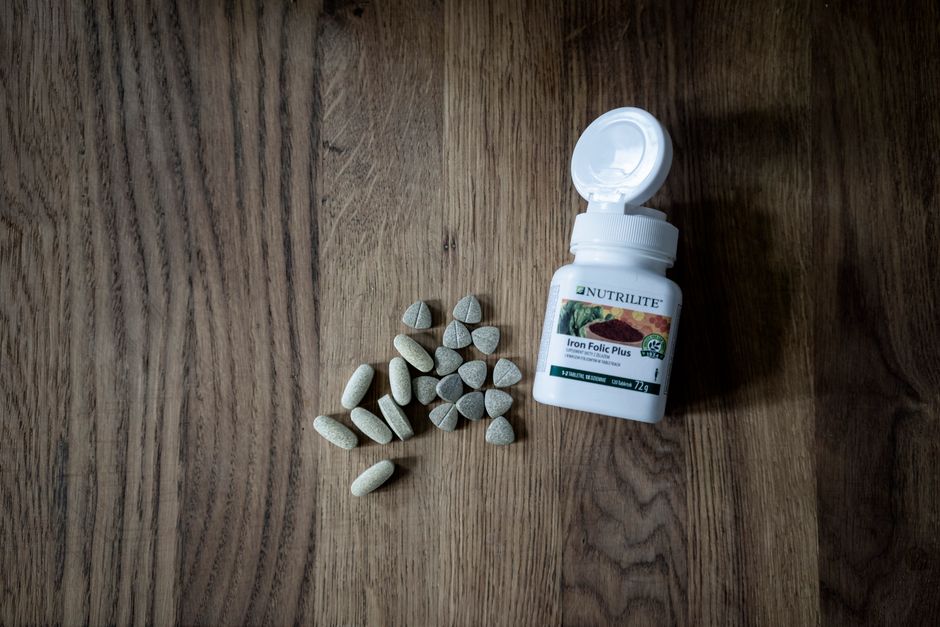
Yes, iron pills can cause diarrhea. It is one of the recognized gastrointestinal side effects of oral iron supplements, though constipation is actually more common. Diarrhea from iron usually shows up as loose or frequent stools within the first days to weeks of starting a supplement, and it is often linked to dose size, the type of iron, or how the body responds to unabsorbed iron passing through the gut.
Most people who get diarrhea from iron can manage it without stopping treatment. Adjusting how you take the pill, lowering the dose with a doctor’s guidance, or switching to a different form of iron often helps. But diarrhea on iron is not something to ignore if it is severe or lasts, because it can point to a different cause or lead to poor absorption of the supplement itself.
Why Do Iron Pills Cause Diarrhea?
Iron pills cause diarrhea because a large share of the iron you swallow is never absorbed and instead travels through the intestines, where it can irritate the gut lining and change how the bowel moves.
Your body tightly controls how much iron it takes in. When you swallow a supplement, only a fraction is absorbed in the small intestine. The rest continues down the digestive tract. This unabsorbed iron can draw water into the bowel and speed up transit, which produces looser stools. It can also disturb the normal balance of bacteria in the gut, and that shift may contribute to cramping and diarrhea in some people.
This is why the effect is dose-dependent. A higher dose leaves more unabsorbed iron in the gut, and larger doses are more likely to cause digestive trouble. It also explains why some forms of iron are gentler than others. The amount that actually reaches your bloodstream versus the amount left to irritate your intestines is a key part of the picture.
How Common Is Diarrhea From Iron Supplements?
Diarrhea is a known side effect of oral iron, but it is less common than constipation. Gastrointestinal complaints as a group are the most frequent reason people stop taking iron pills.
Constipation is the side effect most often reported with iron supplements. Diarrhea does happen, and some people experience it instead of constipation — the same supplement can push different people in opposite directions. Others get nausea, stomach pain, or dark stools, which are harmless and expected on iron.
There is no single reliable figure for how many people get diarrhea specifically, because rates vary by dose, formulation, and the population studied. What is clear from clinical experience and the broader literature on iron side effects is that digestive upset is common enough that it is a leading cause of people abandoning their supplement. If you are among those affected, you are not unusual, and there are practical ways to respond.
Which Types of Iron Are More Likely to Cause Diarrhea?
Different iron formulations behave differently in the gut, and some are more likely to cause loose stools than others. The biggest factor is often the dose of elemental iron rather than the label on the bottle.
Ferrous salts — ferrous sulfate, ferrous fumarate, and ferrous gluconate — are the most widely used forms. They are effective and well absorbed, but they can be harder on the stomach. Ferrous sulfate delivers a relatively high amount of elemental iron per tablet, so a single pill can carry a substantial dose. Ferrous gluconate generally contains less elemental iron per tablet, which some people tolerate better.
Newer formulations, including polysaccharide-iron complexes and certain chelated forms, are sometimes marketed as gentler on the stomach. Some studies suggest these may cause fewer digestive side effects for certain people, but the evidence is not uniform, and absorption can differ. A gentler pill that is poorly absorbed does not help if your goal is to correct a deficiency.
Here is a comparison of the common forms and what tends to matter:
- Ferrous sulfate: widely used, effective, higher elemental iron per tablet, more likely to cause stomach upset
- Ferrous fumarate: similar effectiveness, moderate elemental iron content
- Ferrous gluconate: lower elemental iron per tablet, sometimes better tolerated
- Polysaccharide-iron complex: marketed as gentler, may cause fewer side effects for some, absorption varies
The honest position: no single form is guaranteed to prevent diarrhea. If one causes trouble, a different form is worth discussing with a clinician, but individual response varies and cannot be predicted reliably.
How Do You Stop Diarrhea From Iron Pills?
The first step is to look at how and when you take the iron, because small changes in timing and dose often reduce gut symptoms. Do not stop a prescribed iron supplement on your own without talking to your clinician first, especially if you are being treated for anemia.
Several practical adjustments are commonly used:
- Take iron with food. Food reduces absorption somewhat but can ease stomach irritation and diarrhea for people who cannot tolerate iron on an empty stomach.
- Split the dose. Taking smaller amounts more than once a day can leave less unabsorbed iron in the gut at one time. Ask your clinician before changing your schedule.
- Try a different formulation. Switching from one iron salt to another, or to a lower-dose product, sometimes resolves the problem.
- Take it at a consistent time. A regular routine helps you notice what actually triggers symptoms.
One point worth knowing: taking iron with vitamin C or with certain foods can increase absorption, which means less unabsorbed iron reaches the lower gut. This is why some clinicians suggest taking iron with a source of vitamin C. But more absorption is not automatically better for everyone, and the effect on diarrhea specifically is not well studied. It is a reasonable thing to raise with your clinician rather than a guaranteed fix.
If diarrhea is severe, contains blood, comes with fever, or lasts more than a few days, stop guessing and get medical advice. Those features are not typical of iron and need a proper evaluation.
Does Iron Cause Constipation or Diarrhea More Often?
Constipation is the more common complaint with iron pills. Diarrhea happens, but it is the less typical reaction.
This matters because people often expect one effect and are surprised by the other. Iron’s effect on the bowel is not one-directional. The same supplement can slow things down in one person and speed them up in another, depending on dose, the person’s baseline gut function, diet, hydration, and other medications. Some people get neither.
If you were told to expect constipation and instead got diarrhea, that does not mean something is wrong with you or that the iron is “bad.” It means your gut responded differently. The practical question is whether the symptom is manageable and whether the supplement is still doing its job.
When Should You Be Concerned About Diarrhea on Iron?
Most iron-related diarrhea is mild and settles with adjustment. Some situations call for medical attention rather than self-management.
Contact a clinician if diarrhea is severe, lasts more than a few days, causes dehydration, or comes with blood, fever, or significant cramping. Also seek advice if you are being treated for anemia and cannot tolerate your supplement, because untreated iron deficiency has its own consequences and your treatment plan may need to change.
Iron overdose is a separate and serious concern, particularly for children. Iron pills are a leading cause of poisoning in young children, and even a small number of adult-strength tablets can be dangerous. Keep iron supplements locked away and out of reach. Symptoms of overdose can include severe vomiting and diarrhea, and this is a medical emergency — call poison control or emergency services right away.
For adults, the key is to distinguish ordinary supplement-related looseness from something else. If the diarrhea started right after you began iron and is mild, the connection is reasonable. If it started for no clear reason, or came with other symptoms, it deserves a closer look.
Does Iron Deficiency Itself Cause Diarrhea?
Iron deficiency on its own is not a typical cause of diarrhea. When someone has both, the more likely explanation is usually the supplement, an underlying condition, or something in the diet.
That said, iron deficiency sometimes signals a problem in the gut. Conditions that cause bleeding or poor absorption in the digestive tract can lead to low iron, and some of those conditions also cause diarrhea. So when iron deficiency and diarrhea appear together — especially without an obvious dietary cause — clinicians often look for a digestive explanation rather than assuming the pill is responsible.
This is a good example of why the cause matters. If diarrhea began before you started iron, the supplement is probably not the culprit. If it began after, the timing points toward the pill. Getting that sequence right helps you and your clinician choose the right next step.
Can You Get Enough Iron Without Pills?
For some people, dietary iron is enough. For others — especially those with diagnosed deficiency or anemia — food alone often cannot correct the shortfall, and supplements or other treatment are needed.
Iron from food comes in two forms. Heme iron, found in meat, poultry, and fish, is absorbed more efficiently. Non-heme iron, found in beans, lentils, spinach, fortified cereals, and other plant foods, is absorbed less efficiently but still contributes. Eating non-heme iron with a source of vitamin C can improve absorption.
Whether diet alone is sufficient depends on the cause and severity of the deficiency, and that is a clinical judgment. If you have been told you are deficient, do not assume food will fix it without confirming with your clinician. The right approach depends on your labs and your history.
Frequently Asked Questions
Can iron pills give you diarrhea?
Yes, iron pills can cause diarrhea, though constipation is more common. The unabsorbed iron passing through the gut can irritate the intestines and loosen stools.
How long does diarrhea from iron pills last?
Mild diarrhea often settles within days to a couple of weeks as your body adjusts, or sooner if you change how you take the iron. If it lasts more than a few days or is severe, get medical advice.
Should I stop taking iron if it gives me diarrhea?
Do not stop a prescribed iron supplement on your own without talking to your clinician first. Adjusting the dose, timing, or formulation often solves the problem while keeping treatment on track.
What is the gentlest iron supplement for the stomach?
There is no single gentlest form for everyone, though lower-dose products and some alternative formulations are sometimes better tolerated. Individual response varies, so discuss options with your clinician rather than assuming one product is safest.
