

If you have irritable bowel syndrome (IBS), you may have noticed that heartburn, regurgitation, or a sour taste in your throat shows up right alongside your gut symptoms. That overlap is real, and it is common. But the relationship is not simple cause and effect. IBS does not directly cause reflux. Instead, the two conditions often travel together because they share some of the same underlying biology, and because each one can make the other feel worse.
Understanding that distinction matters. If you assume IBS is the root cause of your reflux, you might miss a separate problem that needs its own care. If you assume the two are unrelated, you might overlook habits and triggers that affect both.
Can IBS Cause Reflux Exploring the Connection
The short answer is no — IBS does not cause reflux in the way a virus causes a cold. They are two distinct conditions. IBS affects how the bowel functions. Reflux, often called gastroesophageal reflux disease or GERD when it becomes persistent, affects the valve and lining where the esophagus meets the stomach.
What connects them is overlap. Many people have both at the same time. Research has consistently found that IBS and GERD occur together more often than chance would predict. That pattern is called comorbidity, and it points to shared factors rather than one condition creating the other.
There is one important exception worth naming. Sometimes reflux is not reflux at all. What feels like heartburn can actually be a sign of a heart problem. Chest pain, pressure, or burning that comes with shortness of breath, sweating, or pain spreading to the arm or jaw is a medical emergency. That is not a gut issue, and it should never be treated as one. When in doubt, seek emergency care.
Why Do IBS and Acid Reflux Often Happen Together?
Both conditions involve a nervous system that is more sensitive than usual. In IBS, the gut responds to normal digestion with pain or urgency. In reflux, the esophagus reacts to small amounts of acid that would not bother most people. The common thread is heightened sensitivity, sometimes called visceral hypersensitivity.
The gut and the brain are in constant conversation through what researchers call the gut-brain axis. This network links digestion, mood, stress, and pain perception. When this signaling is off, both the bowel and the esophagus can become overreactive. That helps explain why so many people develop both conditions without one causing the other.
There is a second factor that is easy to miss. Changes in the gut microbiome — the bacteria living in the digestive tract — have been studied in both IBS and reflux. The evidence here is still developing. Some studies suggest the bacterial environment differs in people with these conditions, but researchers have not established that this causes either one. It is an active area of study, not a settled answer.
Can IBS Symptoms Make Reflux Feel Worse?
Yes, and this is where the two conditions genuinely interact. Bloating and abdominal pressure from IBS can push upward on the stomach. That pressure can make it easier for stomach contents to move back into the esophagus, which is the basic mechanism behind reflux.
Constipation plays a role too. When the bowel is backed up, pressure inside the abdomen rises. That increased pressure can worsen reflux symptoms even if the reflux itself is a separate problem. This is one reason people often notice that their heartburn is worse on days when their IBS is flaring.
Stress ties the knot tighter. Stress does not create IBS or reflux, but it clearly worsens both. The body’s stress response changes how the gut moves, how sensitive it is, and how much acid the stomach produces. So a stressful week can set off both conditions at once, which can feel like one causing the other.

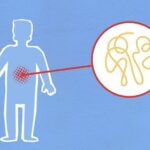



Which Symptoms Belong to Which Condition?
Telling the two apart helps you and your doctor target the right problem. The table below shows the typical patterns, though symptoms often overlap in real life.
| Symptom | More Typical of IBS | More Typical of Reflux |
|---|---|---|
| Location | Lower abdomen | Chest, throat |
| Burning feeling | Rare | Common, behind the breastbone |
| Sour or bitter taste | Uncommon | Common |
| Bloating and gas | Common | Sometimes |
| Change in bowel habits | Common | Not typical |
| Worse when lying down | Not typical | Common |
| Relief after a bowel movement | Common | Not typical |
If your main complaint is burning in the chest that worsens after meals or when you lie down, reflux is the more likely explanation. If your main complaint is cramping, bloating, and changes in how often you go, IBS is more likely. When both sets of symptoms are present, you may have both conditions.
How Are IBS and Reflux Treated Together?
Treatment usually targets each condition on its own, but some approaches help both. Because the two share triggers like stress and large meals, addressing those can calm both at once.
For reflux, clinicians commonly recommend eating smaller meals, avoiding food close to bedtime, and raising the head of the bed. Avoiding known personal triggers — often things like caffeine, alcohol, spicy food, or fatty meals — helps some people. Medications that reduce stomach acid are widely prescribed for reflux and are considered effective for that purpose.
For IBS, management depends on the type. Some people respond to changes in fiber, others to specific diets, and others to medications that target bowel function or gut sensitivity. What works varies a great deal from person to person. There is no single diet or drug that works for everyone with IBS.
One caution worth stating plainly. Long-term use of acid-reducing medications is common, but it is not risk-free, and it should be reviewed with a doctor rather than continued indefinitely on your own. Some evidence has linked long-term use to certain health concerns, though the research is not conclusive and the reasons are debated. This is a conversation to have with your clinician, not a decision to make alone.
When Should You See a Doctor?
See a doctor if your symptoms are new, changing, or interfering with daily life. Both IBS and reflux are manageable, but they need the right diagnosis first. Self-treating one when you actually have the other can waste time and delay relief.
Some symptoms need prompt attention. These include difficulty swallowing, unintentional weight loss, vomiting blood, black or bloody stools, persistent vomiting, or chest pain that could be heart-related. Anemia found on a blood test also warrants a closer look. These are not typical of IBS or simple reflux, and they should be evaluated without delay.
Age matters for screening. Reflux that first appears later in life, or that comes with warning signs, is more likely to prompt testing. Your doctor may recommend an endoscopy to look at the esophagus and stomach directly. This is a routine procedure and can rule out other causes.
The Bottom Line on IBS and Reflux
IBS does not cause reflux, but the two often appear together because they share sensitivity, stress responses, and pressure inside the abdomen. One can make the other feel worse without being its root cause.
The practical takeaway is to treat them as related but separate. Track your symptoms so you can tell which is flaring. Bring that information to your doctor. And take warning signs seriously, because not every burning feeling in the chest comes from the gut.
Frequently Asked Questions
Can IBS cause acid reflux?
No, IBS does not directly cause acid reflux. The two conditions often occur together because they share factors like gut sensitivity and stress, but one does not create the other.
Why do I have both IBS and GERD at the same time?
Both conditions involve an overreactive nervous system and are worsened by stress, so they commonly appear together. This overlap is well documented, though researchers have not shown that one condition causes the other.
Does bloating from IBS make heartburn worse?
Yes, bloating and abdominal pressure can push stomach contents upward and worsen reflux symptoms. Constipation can have a similar effect by raising pressure inside the abdomen.
When should I worry about reflux with IBS?
Seek care for difficulty swallowing, weight loss, vomiting blood, black stools, or chest pain that could be heart-related. These are not typical of IBS or simple reflux and need prompt evaluation.
