

Yes, IBS can cause pressure in the anus or rectum. This sensation is a direct result of how irritable bowel syndrome alters normal bowel function, nerve signaling, and muscle coordination in the lower digestive tract. The pressure often feels like fullness, heaviness, or an urgent need to pass stool even when the bowel is empty. Understanding why this happens helps explain what is normal with IBS and when the symptom might point to a different problem.
Why IBS Creates Rectal Pressure
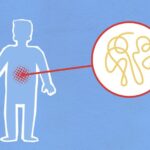
The rectum is the last section of the large intestine. Its job is to hold stool until you are ready to use the bathroom. Nerves in the rectal wall sense when stool is present and send signals to the brain. Muscles then coordinate to either hold or release.
In IBS, this system becomes oversensitive. Research consistently shows that people with IBS have what doctors call visceral hypersensitivity. This means the nerves in the gut react more strongly to normal amounts of gas, stool, or movement. A small amount of stool that would not bother most people can feel like significant pressure. Even normal muscle contractions can feel uncomfortable or painful.
IBS also disrupts how the muscles of the pelvic floor and rectum work together. Some people with IBS experience muscle spasms in the rectum. These spasms can create a sensation of pressure or cramping. Others develop a pattern where the pelvic floor muscles tighten instead of relaxing when trying to pass stool. This is called pelvic floor dysfunction, and it is common in people with IBS, especially those with constipation.
The pressure sensation can also come from trapped gas. IBS often causes abnormal gas production and slower or faster transit of contents through the bowel. Gas that becomes trapped in the rectum or lower colon stretches the bowel wall. Because the nerves are already sensitive, this stretching registers as pressure or fullness.
The Role of Constipation and Incomplete Emptying
Constipation is one of the main IBS subtypes. When stool moves too slowly through the colon, it sits in the rectum longer than it should. The rectum is designed to stretch and accommodate stool, but prolonged holding can make the muscles fatigued and the nerves irritated.
Many people with IBS experience a sensation of incomplete evacuation. You pass stool but feel like more remains. This feeling can persist for hours and is often described as pressure or a lump in the rectum. In some cases, the rectum is actually empty but the nerves still signal fullness. In other cases, a small amount of stool remains because the pelvic floor muscles did not fully relax during the bowel movement.
Repeated straining during bowel movements can make this worse. Straining increases pressure in the rectum and pelvic floor. Over time, this can contribute to hemorrhoids, which add their own pressure and discomfort. Hemorrhoids are not caused by IBS directly, but the straining associated with IBS can make them more likely or more noticeable.
How Gas and Bloating Contribute
Gas is a normal part of digestion. Everyone produces it. The difference in IBS is how the body handles it. Studies have found that people with IBS do not necessarily produce more gas than others. They perceive it more intensely. The same volume of gas that causes no sensation in a healthy person can cause significant pressure and bloating in someone with IBS.
Gas that reaches the rectum triggers stretch receptors in the bowel wall. In a sensitive gut, even small amounts of gas create a strong urge to pass stool or a feeling of pressure. This is why some people with IBS feel the need to use the bathroom repeatedly, only to pass minimal stool or gas.
Certain foods increase gas production. Fermentable carbohydrates, often called FODMAPs, are poorly absorbed in the small intestine. They travel to the colon where bacteria ferment them, producing gas. A low-FODMAP diet is one of the most studied dietary approaches for IBS. Some research suggests it reduces symptoms in about half to two-thirds of people who try it, though results vary and the diet requires careful guidance from a professional.



When Rectal Pressure Is Not IBS
IBS can cause rectal pressure, but it is not the only cause. Several other conditions produce similar sensations. It is important to know the difference because some require different treatment.
Hemorrhoids are swollen veins in the lower rectum or anus. They can cause pressure, itching, pain, and bleeding. They are very common and often coexist with IBS, especially when constipation and straining are present.
Anal fissures are small tears in the lining of the anus. They cause sharp pain during bowel movements and can create a persistent feeling of pressure or spasm afterward. Fissures typically result from passing hard stool.
Pelvic floor dysfunction can occur independently of IBS. In this condition, the muscles that support the pelvic organs do not relax properly. This can cause difficulty starting a bowel movement, a feeling of incomplete emptying, and pressure in the rectum. Pelvic floor physical therapy is the standard treatment and can be highly effective.
Rectal prolapse occurs when part of the rectum slips down through the anus. It can feel like a bulge or pressure. This is less common and usually requires surgical evaluation.
In rare cases, rectal pressure can signal a more serious condition such as inflammation, infection, or a mass. This is why persistent or worsening symptoms deserve medical evaluation rather than self-diagnosis.
Red Flags That Require Medical Attention
IBS is a diagnosis of exclusion. That means doctors diagnose it after ruling out other conditions. If you have been diagnosed with IBS and your symptoms change, or if you experience new symptoms, you should see a doctor.
Seek medical attention if you notice blood in your stool, black or tarry stools, unexplained weight loss, fever, or severe pain that does not go away. New onset of symptoms after age 50 also warrants evaluation. A family history of colon cancer or inflammatory bowel disease increases the need for careful assessment.
The Rome criteria are the standard diagnostic framework for IBS. They require recurrent abdominal pain at least one day per week in the last three months, associated with two or more of the following: pain related to bowel movements, a change in stool frequency, or a change in stool appearance. A doctor can help determine whether your symptoms meet these criteria or point to something else.
Managing Rectal Pressure from IBS
Treatment for IBS-related rectal pressure focuses on the underlying bowel pattern and the sensitivity of the gut. There is no single cure, but most people find meaningful relief with a combination of approaches.
For constipation-predominant IBS, increasing water intake and physical activity can help. Soluble fiber supplements such as psyllium have evidence behind them for improving stool consistency. Insoluble fiber like wheat bran can worsen symptoms in some people, so it is worth paying attention to how your body responds.
Laxatives are used when lifestyle changes are not enough. Polyethylene glycol is a common osmotic laxative that draws water into the bowel. Stimulant laxatives are effective but should be used under medical supervision. Prescription medications for IBS with constipation target specific receptors in the gut and can improve both constipation and abdominal pain.
For diarrhea-predominant IBS, antidiarrheal medications can help but should be used carefully. Prescription options exist that reduce diarrhea and pain by acting on gut serotonin receptors. Probiotics have mixed evidence. Some strains show benefit for bloating and bowel regularity, but results are inconsistent and product quality varies.
Pelvic floor physical therapy deserves specific mention. If your rectal pressure is linked to pelvic floor dysfunction, this therapy can retrain the muscles to relax and coordinate properly. It involves biofeedback, breathing techniques, and exercises. Some studies show it significantly reduces symptoms of constipation and pelvic floor tension.
Dietary and Lifestyle Approaches
Diet is one of the most powerful tools for managing IBS symptoms. A low-FODMAP diet has the strongest evidence base among dietary interventions. It involves a temporary elimination phase followed by gradual reintroduction of specific carbohydrates to identify triggers. This should be done with a dietitian because the elimination phase is restrictive and can lead to nutrient deficiencies if done improperly.
Eating patterns matter as much as food choices. Smaller, more frequent meals can reduce the volume of food entering the colon at once. Eating slowly and chewing thoroughly reduces swallowed air. Regular meal times help regulate bowel habits.
Stress management is not a vague recommendation. The gut and brain are directly connected through the vagus nerve and the enteric nervous system. Stress triggers changes in gut motility, secretion, and pain perception. Cognitive behavioral therapy and gut-directed hypnotherapy have both shown benefit in clinical trials for IBS symptoms. These treatments are not widely available everywhere, but online programs are increasing access.
Sensation Versus Structural Problems
One of the most important distinctions in IBS is between a sensation problem and a structural problem. IBS is a disorder of gut-brain interaction. The structure of the bowel is normal. There is no inflammation, no ulcer, and no tumor. The problem is in how the system functions and how the brain interprets signals from the gut.
This distinction matters because it changes treatment. A structural problem like a fissure or hemorrhoid may need local treatment. A functional problem like IBS responds to approaches that calm nerve signaling, regulate muscle coordination, and address the brain-gut connection.
Some people worry that pressure in the rectum means something is physically wrong or dangerous. In IBS, the pressure is real but the cause is functional. The nerves are sending strong signals in response to normal or mildly abnormal stimuli. Understanding this can reduce the anxiety that often amplifies gut symptoms.
Can Ibs Cause Pressure In The Anus Or Rectum: What the Evidence Shows
The medical literature supports a clear link between IBS and rectal pressure sensations. Studies using rectal balloon distension tests show that people with IBS report pain and pressure at lower volumes than healthy controls. This confirms that the sensory threshold is different in IBS. The bowel is not damaged, but it is more sensitive.
Clinical guidelines for IBS recognize rectal and anal symptoms as part of the condition. These symptoms include urgency, tenesmus (the feeling of needing to pass stool despite an empty bowel), and pressure. Doctors who treat IBS regularly encounter these complaints.
The key point is that IBS can absolutely cause pressure in the anus or rectum. It is a well-recognized symptom of the condition. The pressure results from nerve hypersensitivity, muscle dysfunction, gas, and altered bowel habits. It is uncomfortable but not dangerous in itself. Persistent, severe, or changing symptoms still deserve medical evaluation to rule out other causes.
Frequently Asked Questions
Can IBS cause constant rectal pressure?
Yes, IBS can cause persistent rectal pressure due to nerve hypersensitivity and muscle tension in the pelvic floor. The pressure may last for hours, especially after bowel movements or during constipation episodes.
Why does my rectum feel like there is something there but nothing comes out?
This sensation, called tenesmus, happens when rectal nerves signal fullness even when the bowel is empty. In IBS, oversensitive nerves and pelvic floor muscle dysfunction commonly produce this feeling.
Can IBS cause pressure that feels like hemorrhoids?
IBS itself does not cause hemorrhoids, but straining from IBS-related constipation can trigger or worsen them. The pressure from IBS can also feel similar to hemorrhoid discomfort even when no hemorrhoids are present.
Should I worry about rectal pressure from IBS?
Rectal pressure alone from a known IBS diagnosis is usually not dangerous. Seek medical attention if you have blood in your stool, weight loss, fever, or pain that becomes severe or changes in character.
