
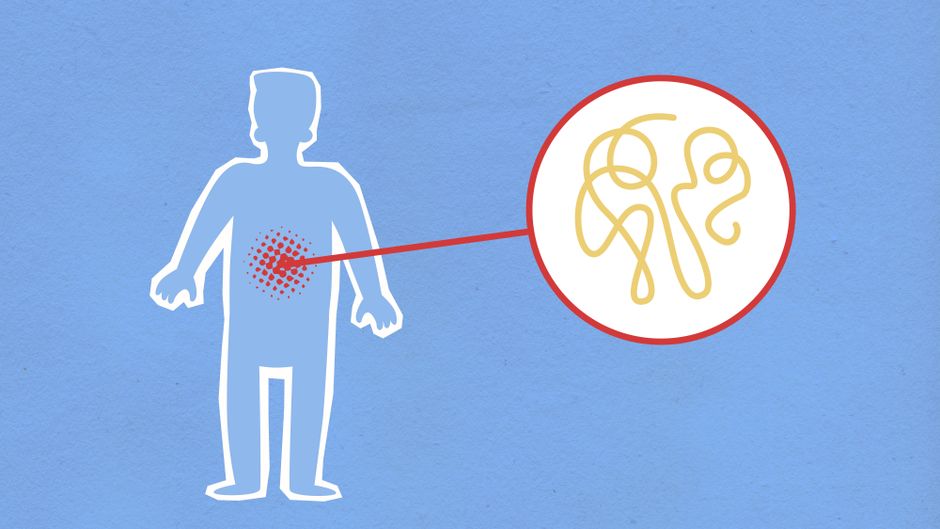
Yes, irritable bowel syndrome (IBS) can cause narrow stools, but it is not the most common symptom and the change is usually temporary. IBS changes how food moves through your colon, which can alter stool shape and size. Narrow stools become a concern when they are a new, persistent change that lasts for weeks, especially if paired with blood, severe pain, or unintentional weight loss. In those cases, the cause may not be IBS, and a doctor should evaluate you.
What Causes Narrow Stools in IBS?
IBS affects how your gut muscles contract. Sometimes they contract too quickly, causing diarrhea. Other times they contract too slowly, causing constipation. Both patterns can change stool shape.
Narrow stools happen when the lower part of your colon tightens. This is called a spasm. The spasm narrows the passage, so stool comes out thinner than usual. Once the spasm passes, stool shape often returns to normal.
Another reason involves how long stool stays in the colon. When stool sits longer, the colon absorbs more water. That makes stool harder and sometimes narrower as it squeezes through tight sections. When stool moves too fast, it may not form fully, which can also produce thinner, less formed stools.
IBS itself does not physically block the colon. The narrowing comes from muscle spasm, not from a structural problem. This is an important difference. A physical blockage, like a tumor, also causes narrow stools, but it does not come and go the way IBS symptoms do.
How Are IBS Narrow Stools Different From Warning Signs?
Narrow stools alone are rarely a red flag. The pattern matters more than the shape itself.
With IBS, narrow stools tend to come and go. You might have a week of thin stools, then a week of normal ones. The change often tracks with stress, diet, or your usual IBS flare-ups. You may also have bloating, cramping, or changes in how often you use the bathroom.
Warning signs look different. A persistent change is the key. If your stools are consistently narrow for several weeks and do not improve, that is a different situation. Narrow stools that get progressively thinner over time are also more concerning.
Blood in or on the stool is never normal with IBS. IBS does not cause rectal bleeding. If you see blood, that is a separate issue that needs medical attention.
Other warning signs include:
- Unintentional weight loss
- Severe abdominal pain that does not go away
- Anemia or low iron levels
- Feeling like your bowel does not empty completely
- Narrow stools that last longer than a few weeks
If you have any of these, do not assume IBS is the cause. These symptoms require a medical evaluation.
Can IBS Cause Narrow Stools When To Worry?
This is the question most people actually ask. The short answer is that you should worry when the change is new, persistent, or accompanied by other warning signs.
Worry is warranted if narrow stools appear for the first time after age 50. New bowel changes in older adults deserve more attention because the risk of colon issues increases with age.
Worry is also warranted if narrow stools last more than three weeks without improvement. IBS symptoms fluctuate. A persistent change does not fit that pattern.
Worry is warranted if you have a family history of colon cancer. Family history raises your baseline risk, so any new bowel change should be checked.
If you have had IBS for years and occasionally notice thin stools during a flare-up, that is less concerning. But if you cannot remember the last time you had a normal-sized stool, that is worth a conversation with your doctor.
The safest approach is simple: any new bowel symptom that lasts more than a few weeks deserves a medical opinion. You do not need to panic, but you should not ignore it either.




What Else Can Cause Narrow Stools?
IBS is not the only cause of narrow stools. Several conditions can produce the same symptom.
Constipation is the most common cause. Hard stool that moves slowly through the colon can come out thinner than usual. This is especially true if you are not drinking enough water or not getting enough fiber.
Hemorrhoids can narrow the anal opening. Swollen veins near the anus can make the passage feel tighter, producing thinner stools. Hemorrhoids are common and not dangerous, but they can cause discomfort and sometimes bleeding.
Anal fissures are small tears in the lining of the anus. They can cause pain during bowel movements and may make the passage feel narrower. Fissures often heal on their own but can be persistent.
More serious conditions can also cause narrow stools. A mass or tumor in the colon can physically narrow the passage. This is why persistent narrow stools are taken seriously. Colon cancer is the condition doctors most want to rule out when someone reports a lasting change in stool shape.
Pelvic floor dysfunction can also cause narrow stools. This happens when the muscles at the bottom of your pelvis do not relax properly during a bowel movement. The stool may come out thin because the outlet does not open fully.
This list is not meant to scare you. It is meant to show why persistent narrow stools deserve attention. IBS is a common explanation, but it is not the only one.
When Should You See a Doctor?
You should see a doctor if narrow stools are new for you and last more than a few weeks. You should also see a doctor if narrow stools come with blood, weight loss, or severe pain.
If you are over 50 and have never had narrow stools before, do not wait. Schedule an appointment. The same applies if you have a family history of colon cancer.
Your doctor will likely ask about your symptoms, how long they have lasted, and whether you have any other health conditions. They may order blood tests or a stool test. They may also recommend a colonoscopy, especially if you are over 45 or have risk factors.
A colonoscopy is the most reliable way to see inside your colon and check for structural problems. It is the gold standard for evaluating persistent bowel changes. The procedure sounds intimidating, but it is routine and safe.
Do not delay because you feel embarrassed. Doctors see bowel complaints every day. A quick evaluation gives you peace of mind or catches a problem early.
Can IBS Symptoms Be Managed?
If your doctor confirms IBS is the cause of your narrow stools, there are ways to manage the condition. Treatment focuses on reducing spasms and normalizing bowel function.
Dietary changes often help. Increasing soluble fiber, found in oats, bananas, and psyllium, can help regulate stool consistency. Some people find that reducing gas-producing foods like beans, cabbage, and carbonated drinks reduces cramping.
The low FODMAP diet is one approach that some people find helpful. FODMAPs are certain carbohydrates that ferment in the colon and cause gas and bloating. The diet involves eliminating high-FODMAP foods for a few weeks, then slowly reintroducing them. Research suggests this diet helps many people with IBS, but it is best done with a dietitian’s guidance.
Stress management can also reduce symptoms. The gut and brain are closely connected. Techniques like deep breathing, meditation, or regular exercise can help calm the gut-brain axis. The evidence for these approaches is moderate but consistent.
Medications are available if lifestyle changes are not enough. Antispasmodic drugs can reduce colon spasms. Some medications target constipation or diarrhea specifically. Your doctor can help you decide if medication is appropriate.
No single treatment works for everyone. IBS is a highly individual condition. What helps one person may not help another. Work with your doctor to find what works for you.
What Does the Evidence Actually Show?
Research on IBS and stool shape is limited. Most studies focus on stool frequency and consistency rather than shape. The connection between IBS and narrow stools comes primarily from clinical observation rather than large controlled trials.
What is well established is that IBS is a disorder of gut-brain interaction. The colon can be overly sensitive and reactive. Muscle spasms are a recognized feature of the condition. It is biologically plausible that these spasms could produce narrow stools.
What is also well established is that persistent narrow stools can be a sign of colorectal cancer. This is why doctors take the symptom seriously. The risk is not that IBS turns into cancer. IBS does not cause cancer. The risk is that a person assumes IBS is the cause when something else is going on.
Some research suggests that people with IBS are no more likely to develop colon cancer than people without IBS. That is reassuring. But it does not change the recommendation to evaluate new or persistent symptoms.
Frequently Asked Questions
How long can IBS narrow stools last?
IBS-related narrow stools typically come and go with flare-ups and usually resolve within days to a few weeks. If narrow stools last longer than three weeks without improvement, see a doctor.
Do IBS narrow stools come with pain?
Yes, IBS often causes cramping or abdominal pain alongside changes in stool shape. Severe or worsening pain that does not resolve is a reason to seek medical attention.
Can IBS cause pencil-thin stools every day?
Daily pencil-thin stools are not typical for IBS, which usually causes fluctuating symptoms. Consistently thin stools every day for weeks should be evaluated by a doctor.
Is narrow stool a sign of colon cancer?
Narrow stool can be a sign of colon cancer, but it is not proof. Persistent narrow stools, especially with blood or weight loss, require medical evaluation to rule out serious causes.
