
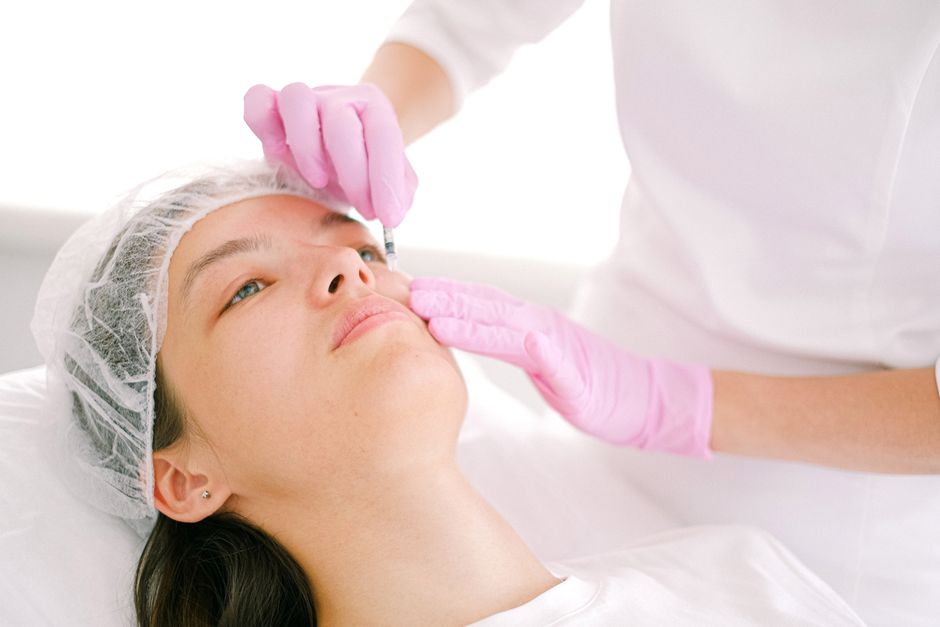
Yes, you can use hyaluronic acid after Botox. There is no chemical conflict between them. Hyaluronic acid is a hydrating ingredient that pulls water into the skin, and Botox is a purified protein that temporarily relaxes specific facial muscles. They work on entirely different layers and through entirely different mechanisms. The “wait” part is about timing and technique, not about any danger from combining them.
What actually matters is where the product goes and how soon after your injection you apply it. Get those two things right and the two coexist without issue. Get them wrong and you risk small problems like irritation or, in rare cases, moving the injected product before it settles.
Can I Use Hyaluronic Acid After Botox?
Hyaluronic acid is safe to apply to Botox-treated skin. Dermatologists routinely build hydrating serums and moisturizers into post-injection skincare routines because the injection itself can leave skin temporarily dry or slightly irritated at the needle sites.
The two ingredients do not interact. Botox (botulinum toxin type A) is injected into the muscle. Hyaluronic acid in a serum or cream sits on the surface of the skin and in the upper layers of the epidermis. They never meet. One relaxes muscle movement. The other holds water near the skin’s surface. There is no pathway for them to interfere with each other.
A distinction worth making: injectable hyaluronic acid fillers are a different product from the hyaluronic acid in your serum bottle. A topical serum and a dermal filler share an ingredient name but not a delivery method, a depth, or a risk profile. This article is about topical hyaluronic acid. Filler timing is a separate conversation you should have with your injector.
The real question is not whether you can. It is when, and how carefully.
Why Do Some Clinics Say to Wait After Botox?
Clinics give aftercare instructions for good reasons, and most of them are about protecting the injection, not about the hyaluronic acid. Common guidance includes avoiding strenuous exercise, alcohol, and lying flat for a period after treatment, and being gentle with the treated area.
Some of that advice is grounded in reasonable physiology. Raising your heart rate and blood pressure soon after injection could, in theory, increase the chance of bruising at needle sites. Rubbing or pressing on the treated area could, in theory, move the toxin before it binds to the nerve endings where it acts. Botox does not bind instantly. It takes time to attach and begin working, which is why full effects typically appear over several days to about two weeks.
Other instructions are more about caution than proven necessity. Specific waiting times for skincare vary widely from clinic to clinic, and there is no single agreed standard. If your injector gives you a specific window, follow it. Their guidance reflects your particular treatment, the number of injection points, and how your skin responded.
What the wait is not about: any reaction between hyaluronic acid and botulinum toxin. That interaction has no known mechanism.
How Soon Can You Apply Hyaluronic Acid After Botox?
Follow your injector’s instructions first. When no specific guidance is given, a common approach is to keep the treated area undisturbed for the first several hours and then resume gentle skincare. Some clinicians advise waiting until the next day for anything beyond gentle cleansing.
The evidence here is limited. There are no large trials comparing “apply serum at hour two” versus “apply serum at hour twenty-four.” Clinical practice varies, and much of the guidance rests on the physiology of how the toxin binds and how skin heals from needle trauma rather than on head-to-head studies.
What is well established is that the skin barrier is temporarily disrupted at injection sites. Small needles create tiny punctures. That makes the area more sensitive than usual for a short time. So the practical rule is less about the calendar and more about being gentle.
- Use clean hands and avoid pressing hard on injection points.
- Pat products in rather than rubbing or massaging.
- Skip exfoliating acids, retinoids, and scrubs on treated areas until any redness or tenderness resolves.
- Avoid facial massage, facial rollers, and firm-pressure treatments in the days after injection.
If your skin is red, tender, or swollen at the injection sites, that is your signal to hold off on anything active and stick to a plain, gentle moisturizer.
What Hyaluronic Acid Products Are Best Right After Botox?
Simple is better in the days after injection. A plain hyaluronic acid serum or a basic moisturizer containing hyaluronic acid is a reasonable choice. The goal is hydration and comfort, not a multi-step routine.
Look for short ingredient lists and skip products that combine hyaluronic acid with strong actives. Fragrance-free formulas are a sensible default when skin is healing. If a product stings when you apply it, that is useful information. Stop using it on the treated area until the skin settles.
One non-obvious point about how hyaluronic acid works: it is a humectant, meaning it draws water toward itself. In dry air it can pull moisture from deeper skin rather than from the environment, which is why it works best applied to slightly damp skin and followed with a moisturizer that seals it in. This matters more than usual when the skin barrier is recovering.
There is no clinical evidence that any specific hyaluronic acid product enhances or prolongs Botox results. Hydration can make skin look plumper and smoother, and that may affect how your overall result appears, but it does not change what the toxin does to the muscle.
What Should You Avoid After Botox?
Avoid anything that involves pressure, heat, or friction on the treated area in the first day or so. That includes facial massage, firm rubbing, and lying face-down. Your injector may also advise against saunas, hot yoga, or heavy exercise for a short period.
Skip strong skincare actives on treated areas until redness or tenderness is gone. Retinoids, exfoliating acids, vitamin C in high concentrations, and physical scrubs can all irritate compromised skin. None of them are dangerous in combination with Botox, but they are unhelpful while needle sites are healing.
Alcohol is commonly discouraged around injection appointments. The reasoning is that it can increase bruising risk by affecting blood clotting and dilating blood vessels. This is widely recommended in clinical practice, though the evidence for a meaningful effect from a single drink is not strong.
Watch for anything unusual. Mild redness, slight swelling, and small bruises at injection sites are common and typically fade. Seek medical attention for signs of infection such as spreading redness, warmth, fever, or increasing pain, or for any difficulty breathing, swallowing, or speaking. Those are rare but serious and warrant prompt care.
Can Hyaluronic Acid Make Botox Last Longer?
No. Hyaluronic acid does not extend how long Botox lasts. Botox duration depends on how quickly your body clears the toxin and how the muscle responds, and topical skincare does not change either of those.
Botox effects typically last around three to four months for most people, though this varies. Some people metabolize it faster than others. Nothing you apply to the surface of your skin has been shown to slow that process.
What hyaluronic acid can do is improve the appearance of the skin itself. Hydrated skin looks smoother and more luminous, which can make any cosmetic result look better. That is a real benefit. It is just not the same as prolonging the muscle-relaxing effect.
Be wary of products marketed as Botox boosters or extenders. No clinical evidence currently confirms that any topical product lengthens Botox results.
The Bottom Line on Timing
Hyaluronic acid and Botox are compatible. The caution is about protecting fresh injection sites, not about the ingredients clashing. Follow your injector’s aftercare instructions, be gentle with the treated area for the first day, and resume your hydrating routine as soon as your skin feels comfortable.
If you are unsure, ask your injector directly. They know your treatment and can give you a specific timeline. General guidance is a starting point, not a substitute for their instructions.
Frequently Asked Questions
Can I use hyaluronic acid serum right after Botox?
Yes, hyaluronic acid serum is safe to use after Botox because it does not interact with the injected toxin. Apply it gently with clean hands and avoid pressing hard on injection sites.
How long should I wait to apply skincare after Botox?
Follow your injector’s instructions, since waiting times vary between clinics. When no specific guidance is given, many clinicians suggest keeping the area undisturbed for several hours and then resuming gentle skincare.
Does hyaluronic acid make Botox last longer?
No, topical hyaluronic acid does not extend Botox results. It can improve skin hydration and appearance, but it does not affect how long the muscle-relaxing effect lasts.
Can I use hyaluronic acid filler after Botox?
Injectable hyaluronic acid filler is a different product from topical serum and requires separate timing guidance from your injector. Do not assume the same rules apply to both.
