
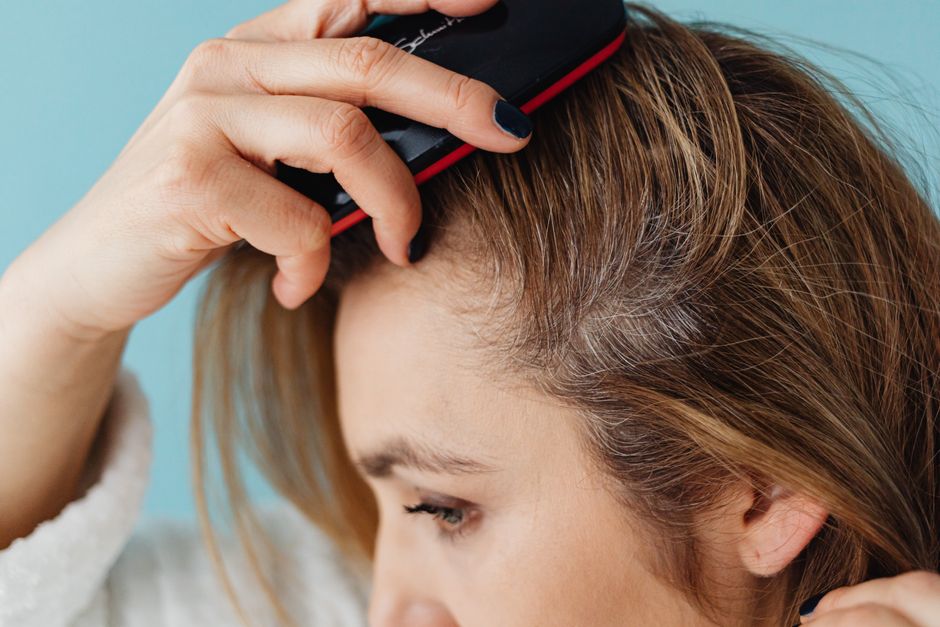
Yes, you can use argan oil on your hair every day, but how you use it matters more than how often. Daily use is safe for most hair types when you apply a small amount to the ends of damp or dry hair. The real question is not whether daily use is harmful, but whether your hair type and routine actually need it.
What Is Argan Oil and Why Is It Used on Hair?
Argan oil comes from the kernels of the argan tree, which grows in Morocco. It has been used for centuries in cosmetics and cooking. For hair, it is valued for two main reasons: it softens the hair shaft and it adds shine.
The oil is rich in fatty acids, mainly oleic and linoleic acid, and contains vitamin E. These compounds help coat the hair strand, smooth the cuticle, and reduce frizz. That is why it appears in so many shampoos, conditioners, and styling products.
Argan oil is a “dry” oil, meaning it does not feel as heavy or greasy as coconut or olive oil. This makes it easier to use in small amounts without weighing hair down.
Can I Use Argan Oil On My Hair Everyday?
Yes. Using argan oil daily is not known to cause damage to the hair or scalp for most people. The main risk is using too much, which can leave hair looking oily and limp.
The amount you need depends on your hair length, thickness, and porosity. For most people, a few drops are enough. Rub the oil between your palms first, then smooth it over the mid-lengths and ends. Avoid the scalp unless your scalp is very dry or you are treating a specific condition.
Daily use is most helpful for people with dry, coarse, curly, or color-treated hair. These hair types lose moisture faster and benefit from a daily sealant. People with fine or very straight hair may find that daily use makes their hair look greasy, even with a tiny amount.
What Are the Real Benefits of Daily Argan Oil Use?
The benefits of argan oil are mostly cosmetic. It does not change the structure of your hair or repair split ends. It coats the hair and temporarily smooths the surface.
Research on argan oil specifically for hair is limited. Some studies suggest that oils with high oleic acid content, like argan oil, penetrate the hair shaft better than oils with larger molecules. This can reduce protein loss and improve flexibility of the hair strand. But most of this research is on hair fibers in a lab, not on people using the oil daily over months.
What is well established is that argan oil reduces friction between hair strands. Less friction means less breakage when you brush or style. It also helps with detangling, which reduces mechanical damage.
For people with dry scalps, argan oil can act as a mild moisturizer. However, there is no strong evidence that it treats dandruff or scalp conditions like seborrheic dermatitis. If you have an itchy or flaky scalp, see a dermatologist rather than relying on oil alone.





Are There Any Risks or Downsides?
The risks of daily argan oil use are minor but real. The most common problem is buildup. Even a lightweight oil can accumulate on the hair over time if you do not wash it out properly. This can make hair look dull and feel stiff.
Using too much oil on the scalp can clog hair follicles in some people. This is more of a concern if you already have acne or folliculitis. If your scalp is prone to breakouts, keep the oil off the scalp entirely.
Allergic reactions are possible but uncommon. If you have a tree nut allergy, check with your doctor before using argan oil. Argan is not a true nut, but cross-reactivity is theoretically possible in people with severe nut allergies.
One more point: argan oil does not protect hair from heat. Some people apply it before using a flat iron or blow dryer, thinking it shields the hair. It does not. In fact, oil on hair can conduct heat and potentially increase damage. If you use heat styling, apply a dedicated heat protectant product first, then a tiny amount of argan oil for shine.
How Much Argan Oil Should You Use Daily?
There is no official clinical guideline for argan oil dosing. It is a cosmetic product, not a medication. The right amount varies by person.
As a starting point, use one to two drops for short hair, two to three drops for shoulder-length hair, and four to five drops for long or very thick hair. Rub the oil between your palms and apply to damp hair after washing, or to dry hair as a finishing touch.
If your hair looks shiny but not greasy, you have the right amount. If it looks oily or clumps together, use less next time. If it still looks dry, you may need a slightly larger amount or a different product entirely.
Be careful with “pure” argan oil products. Many products labeled argan oil are actually blends with silicones or other oils. Check the ingredient list. A pure argan oil product should list Argania spinosa kernel oil as the only ingredient or the first ingredient.
When Should You Not Use Argan Oil Daily?
Daily argan oil is not a good fit for everyone. If you have fine, thin, or very straight hair, daily use may weigh it down. You might do better using it two or three times a week, or only on the ends.
If you have an oily scalp, daily oil application can make it worse. The oil itself does not cause the scalp to produce more oil, but it can trap sebum and make hair look greasy faster.
If you are undergoing chemotherapy, radiation, or have active scalp wounds, avoid applying oils to the scalp unless your oncology team says it is safe. The skin barrier is compromised during some treatments, and oils can increase irritation or infection risk.
For people with dandruff caused by Malassezia yeast, oils can sometimes feed the yeast and worsen flaking. If your dandruff gets worse with oil use, stop and talk to a dermatologist.
Argan Oil vs. Other Hair Oils
Argan oil is not the only option. Different oils have different properties, and some may suit your hair better.
- Argan oil: Lightweight, high in oleic acid, good for daily use on normal to dry hair.
- Coconut oil: Heavier, penetrates the hair shaft well, good for deep conditioning but can be too heavy for daily use on fine hair.
- Jojoba oil: Very light, closest to the scalp’s natural sebum, good for scalp massage and fine hair.
- Castor oil: Thick and heavy, often used for hair growth claims, but evidence for growth is weak and it can be hard to wash out.
- Olive oil: Medium weight, good for masks, but can leave a residue if used daily.
No single oil is best for everyone. Your hair type, porosity, and styling routine determine which oil works for you.
How to Build a Daily Routine With Argan Oil
If you decide daily use is right for you, keep the routine simple. Apply argan oil after washing your hair while it is still damp. Water helps spread the oil evenly and locks in moisture.
On days you do not wash your hair, apply a tiny amount to dry ends before styling. This refreshes shine and controls flyaways without adding weight.
Wash your hair normally with a gentle shampoo. If you notice buildup after a few weeks, use a clarifying shampoo once a month to remove residue. Do not over-wash, as that strips natural oils and can make your hair produce more oil to compensate.
If you use leave-in conditioners or styling creams, apply those before the oil. Oil is a sealant, not a moisturizer. It locks in what is already there. It does not add significant water to the hair.
Frequently Asked Questions
Does argan oil cause hair loss?
No, argan oil does not cause hair loss when used normally. If you apply large amounts to the scalp and do not wash it out, buildup could irritate follicles, but this is not the same as causing permanent hair loss.
Can argan oil repair split ends?
No, no oil can truly repair split ends. Argan oil temporarily seals the split and makes hair look smoother, but the only permanent fix is trimming the damaged ends.
Is argan oil safe for color-treated hair?
Yes, argan oil is generally safe for color-treated hair. It does not strip color and can help reduce dryness that often follows chemical treatments, but it will not prevent color fading.
Should I use argan oil on wet or dry hair?
Both work, but damp hair absorbs oil more evenly and locks in moisture better. On dry hair, use a smaller amount to avoid a greasy look.
