
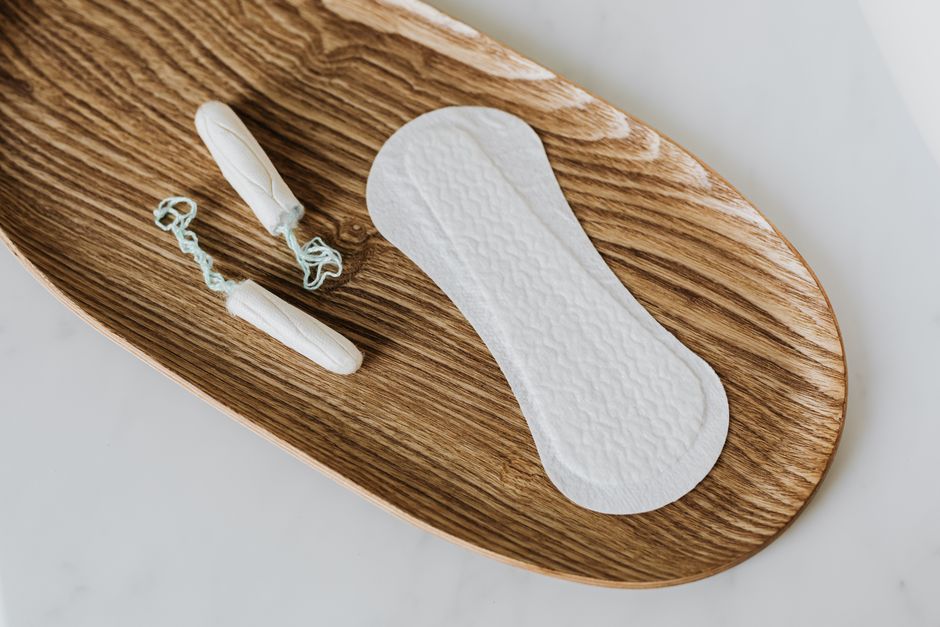
Yes, you can use a tampon if you have a urinary tract infection. A UTI happens in your urinary system — the bladder, urethra, or kidneys. A tampon sits in your vagina. These are two separate openings, so a tampon does not touch the infected area and will not make a UTI worse.
That said, tampons and UTIs do connect in a few real ways. Hormonal changes, menstrual products, and bacteria all interact in that part of the body. Understanding how can help you avoid repeat infections.
Can I Use a Tampon With a UTI?
Yes. There is no medical reason to avoid tampons during a UTI. The urethra, where urine leaves the body, and the vagina are different structures. A tampon placed in the vagina does not come into contact with the urinary tract.
This means a tampon will not push bacteria into your bladder, and it will not stop antibiotics from working. If your period starts while you are treating a UTI, you can manage both at the same time.
A few practical points are worth knowing:
- Change your tampon every 4 to 8 hours as directed on the label, no matter what else is going on.
- Wash your hands before and after inserting or removing a tampon.
- If inserting a tampon is painful because of irritation or swelling, a pad may be more comfortable until symptoms ease.
The main reason to use a pad instead is comfort, not safety. Some people find that the tissues around the urethra feel sore during an infection, and a tampon can add pressure. That is a personal choice, not a medical rule.
Why Do UTIs and Periods Often Happen Together?
The link between periods and UTIs is about hormones and bacteria, not tampons themselves. During your period, estrogen levels are at their lowest point in the cycle. Estrogen helps maintain the natural defenses of the vaginal and urinary tract lining. When estrogen drops, that protection can weaken slightly.
There is also a simple anatomy factor. In women, the urethra is short and sits close to the vagina and anus. Bacteria from the digestive tract, most often E. coli, can travel a short distance to the urethra and cause infection. This short distance is the main reason UTIs are far more common in women than in men.
Menstrual blood itself does not cause a UTI. But the warm, moist environment and changes in the balance of vaginal bacteria during a period can make it easier for infection-causing bacteria to take hold.
Can Tampons Cause a UTI?
Tampons do not cause UTIs. Research has not shown that using tampons leads to urinary tract infections. The bacteria that cause most UTIs come from the digestive tract, not from menstrual products.
There is one indirect concern. If you leave a tampon in too long, the normal balance of bacteria in the vagina can shift. That shift does not directly cause a UTI, but it can raise the risk of other infections, including a serious condition called toxic shock syndrome. Following the label directions on how long to wear a tampon matters for that reason, not because of UTI risk.
Some people worry that the string of a tampon can carry bacteria from the rectum to the urethra. There is no solid evidence that this happens in a way that causes infection. Normal hygiene, including wiping from front to back, is the more reliable step.
Does Using a Tampon Make UTI Symptoms Worse?
A tampon does not make UTI symptoms worse. The burning, urgency, and frequent urination come from inflammation in the bladder and urethra, which a tampon does not reach.
What can happen is that a tampon feels uncomfortable if the area is already irritated. If you notice more pressure or soreness, switching to a pad for a day or two is reasonable. That is about comfort, not about protecting your urinary tract.
One thing to watch: do not confuse the two problems. Vaginal irritation from a product can feel similar to UTI symptoms. If you have burning or discharge that does not improve with UTI treatment, the cause may be something else, such as a yeast infection or irritation. That is worth a call to your doctor.
What Actually Raises Your Risk of a UTI?
Understanding the real risk factors helps more than worrying about tampons. The evidence points to several well-established causes.
- Sexual activity — this is one of the most common triggers in younger women, because it can move bacteria toward the urethra.
- Not urinating after sex — emptying the bladder helps flush out bacteria before they can settle.
- Hormonal changes — lower estrogen after menopause changes the urinary tract lining and raises UTI risk.
- Holding urine for long periods — this gives bacteria more time to multiply in the bladder.
- Certain forms of birth control — spermicides and diaphragms are linked to higher UTI rates.
- Dehydration — less urine means less flushing of the urinary tract.
Some of these you can change, and some you cannot. The ones you can change are worth focusing on.
How to Manage a UTI During Your Period
Managing both at once comes down to a few sensible habits. None of them require giving up tampons.
Drink plenty of water. Staying hydrated means more urine, which helps flush bacteria from the bladder. Take any antibiotics exactly as prescribed, and finish the full course even if you feel better early. Do not stop just because your period started.
Keep up your normal hygiene. Wash the outer genital area with plain water or a mild, unscented cleanser. Avoid douching and scented sprays, which can disturb the natural balance and cause irritation.
Change your tampon on schedule. If you use pads, change them regularly too. Both help keep the area clean and reduce irritation.
If your symptoms are not improving after a couple of days on treatment, or if they get worse, contact your doctor. Fever, back pain, or vomiting can be signs that an infection has moved to the kidneys, which needs prompt medical care.
When to See a Doctor
Most uncomplicated UTIs clear up with a short course of antibiotics. But some situations need medical attention right away.
Seek care promptly if you have a fever, chills, pain in your side or back, nausea, or vomiting. These can signal a kidney infection, which is more serious than a bladder infection and needs treatment without delay.
Also see a doctor if you have blood in your urine, if symptoms last more than a few days on treatment, or if you get UTIs frequently. Recurrent UTIs, generally defined as two or more in six months or three or more in a year, may point to an underlying issue that deserves a closer look.
If you are pregnant and think you have a UTI, contact your doctor. UTIs during pregnancy need to be treated carefully, and the approach may differ from standard care.
Frequently Asked Questions
Can I use a tampon if I have a UTI?
Yes, you can use a tampon with a UTI. A tampon sits in the vagina and does not touch the urinary tract, so it will not make the infection worse or interfere with treatment.
Can a tampon give me a UTI?
No, tampons do not cause UTIs. The bacteria that cause most UTIs come from the digestive tract, not from menstrual products.
Should I use pads instead of tampons during a UTI?
You do not have to, but a pad may be more comfortable if the area feels sore or irritated. This is a comfort choice, not a safety requirement.
When should I see a doctor for a UTI?
See a doctor promptly if you have fever, chills, back or side pain, nausea, or vomiting. These can be signs of a kidney infection, which needs urgent care.
