

If you are scheduled for a colonoscopy, the short answer is: do not take magnesium supplements in the days before your procedure unless your doctor specifically tells you to. Colonoscopy prep usually involves a strong laxative solution, and adding a magnesium supplement on top of that can push your magnesium levels too high. The bigger issue is that many people do not realize magnesium is also an ingredient in some over-the-counter laxatives and antacids — products they might reach for without thinking during prep week.
What you eat, drink, and swallow in the days before a colonoscopy directly affects whether the doctor can see your colon clearly. A prep that is not followed properly can mean a missed polyp, a repeat procedure, or a cancelled appointment. So the magnesium question matters more than it might seem.
Can I Take Magnesium Before a Colonoscopy?
No. Standard guidance is to stop magnesium-containing supplements and medications before a colonoscopy, and the timing depends on what your doctor tells you. The reason is not that magnesium is dangerous on its own. It is that colonoscopy prep already shifts your body’s fluid and electrolyte balance, and magnesium is one of the electrolytes that can swing out of range.
Magnesium is a mineral your body uses for muscle and nerve function, blood sugar control, and blood pressure regulation. Most people get enough from food. Supplements are common, though, and many people take them daily for sleep, cramps, or constipation without thinking of them as medication. Before a colonoscopy, they should be treated like medication.
The concern works in two directions:
- Magnesium draws water into the bowel. That is exactly how some laxatives work. Adding more of it during prep can intensify cramping, bloating, and diarrhea beyond what the prep already causes.
- Your kidneys clear excess magnesium. If kidney function is reduced, magnesium can build up in the blood — a condition called hypermagnesemia. In serious cases this can affect heart rhythm, blood pressure, and breathing.
People with kidney disease are at the highest risk. But even with healthy kidneys, combining a magnesium supplement with a large-volume bowel prep is unnecessary and adds risk without benefit.
Why Does Magnesium Matter During Colonoscopy Prep?
Colonoscopy prep works by flushing the colon empty so the doctor can see the lining clearly. The most commonly used preparations contain polyethylene glycol, which holds water in the bowel and clears it out mechanically. Others contain sodium phosphate, sodium sulfate, magnesium citrate, or other salts that pull water into the colon.
Magnesium citrate is a familiar name here. It is sold both as a laxative and as a supplement. If your prep solution contains magnesium citrate, and you also take a magnesium capsule, you are doubling up on the same mineral. That is the scenario doctors want to avoid.
There is a second layer to this. The prep itself causes diarrhea, which removes fluid and electrolytes from your body. Sodium, potassium, chloride, and magnesium can all shift. Your body usually corrects these shifts on its own after the procedure, especially if you rehydrate well. Adding an extra magnesium load before that happens makes the correction harder.
One detail worth knowing: magnesium is not routinely measured on a standard blood test. Your doctor would have to order it specifically. That means a magnesium problem can develop without showing up on the labs you might already have had done.
What Happens If You Take Magnesium Before Your Procedure?
In most healthy people with normal kidney function, a single magnesium supplement before prep is unlikely to cause serious harm. That is an honest statement, not a reassurance. The risk rises with dose, with kidney function, and with how much magnesium is already in your prep solution.
Symptoms of too much magnesium can include:
- Nausea and vomiting
- Flushing or warmth
- Low blood pressure
- Muscle weakness
- Slow heart rate
- Confusion or drowsiness
These symptoms overlap heavily with what a bowel prep causes on its own. That makes them easy to dismiss. If you feel unusually weak, dizzy, or short of breath during prep, contact your doctor’s office rather than waiting it out.
Severe hypermagnesemia is rare in people with healthy kidneys, but it is a real medical emergency when it happens. It is most often seen in people with kidney failure who take magnesium-containing laxatives or supplements. This is not a theoretical concern — case reports in the medical literature describe serious outcomes in that group.
If you accidentally took magnesium before your procedure, call your doctor’s office and tell them. Do not assume it is fine, and do not try to “fix” it by skipping or shortening your prep. An incomplete prep is its own problem.




Which Products Contain Magnesium?
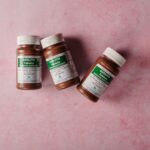
Magnesium hides in more places than people expect. Before a colonoscopy, read the label on everything you swallow. This includes products you take for reasons that have nothing to do with your bowels.
Common sources include:
- Magnesium oxide, citrate, glycinate, and malate supplements
- Milk of magnesia (magnesium hydroxide)
- Magnesium citrate laxatives
- Some antacids and heartburn medications
- Certain multivitamins and bone health formulas
- Some fiber and “colon cleanse” products
Magnesium hydroxide is also used in some antacid products. If you get heartburn during prep week and reach for a chewable antacid, check the ingredient list first. Many contain aluminum or calcium hydroxide instead, but some do not.
This is where people get caught. They stop their magnesium pill, then take an antacid or a “gentle” laxative that contains magnesium without realizing it. The label is the only reliable guide.
How Far in Advance Should You Stop Magnesium?
Follow the specific instructions from your gastroenterologist’s office. They vary by practice, by prep type, and by your medical history. Do not rely on a general rule you found online, including this one.
That said, some general patterns are common. Many practices ask patients to stop magnesium-containing supplements and laxatives several days before the procedure. Others focus mainly on the day before and the morning of. Your prep instructions will state the exact timing.
If your instructions do not mention magnesium, call and ask. This is a reasonable question, and the office staff fields it often. It is far better to ask than to guess.
Two groups should be especially careful:
- People with kidney disease or reduced kidney function. Magnesium clearance is impaired, so the threshold for problems is lower.
- People taking certain medications. Some diuretics, heart medications, and antibiotics can affect magnesium levels or interact with a bowel prep.
If either applies to you, tell your doctor before the procedure. They may adjust your prep or your medication schedule.
What About Magnesium in Food Before a Colonoscopy?
Food sources of magnesium are not the concern. The issue is concentrated doses from supplements and medications, not the magnesium naturally present in beans, nuts, seeds, or leafy greens.
That said, you will not be eating much in the final stretch anyway. Most colonoscopy prep protocols move you to clear liquids the day before the procedure. That means no solid food, including high-magnesium foods. Clear liquids typically include water, clear broth, plain tea or coffee without milk, clear juice without pulp, and sports drinks or gelatin in some protocols.
Follow your specific prep instructions on what counts as a clear liquid. Practices differ on whether certain colored liquids or drinks with pulp are allowed, and the rules matter for how well the doctor can see.
One practical note: do not stop your prep early because you feel full, nauseated, or tired. An incomplete prep is one of the most common reasons a colonoscopy has to be repeated. If you are struggling, call your doctor’s office. They can often help you get through it.
What Should You Do If You Are Unsure?
Call your doctor’s office. That is the whole answer. Bring a list of everything you take — prescriptions, over-the-counter medications, supplements, and anything you would not normally think to mention.
Colonoscopy is one of the most effective tools for detecting colorectal cancer early, when treatment works best. The prep is uncomfortable, but it is the part that determines whether the test actually works. Getting the details right — including the magnesium question — protects the value of the procedure you are already going through.
Frequently Asked Questions
Can I take magnesium the day before a colonoscopy?
No. Magnesium supplements and magnesium-containing laxatives or antacids should be stopped before your prep begins, with exact timing set by your doctor. Taking them can intensify cramping and diarrhea and raise the risk of high magnesium levels.
Does colonoscopy prep contain magnesium?
Some prep solutions do contain magnesium citrate or other magnesium salts, though many use polyethylene glycol instead. Check your prep instructions and the label on your solution so you do not add a supplement on top of it.
What happens if I accidentally took magnesium before my colonoscopy?
Call your doctor’s office and tell them what you took and when. Do not skip or shorten your prep on your own, since an incomplete prep is a separate problem that can lead to a repeat procedure.
Who is most at risk from magnesium before a colonoscopy?
People with kidney disease or reduced kidney function are at the highest risk, because their bodies clear magnesium more slowly. Anyone in that group should tell their doctor before the procedure.
