
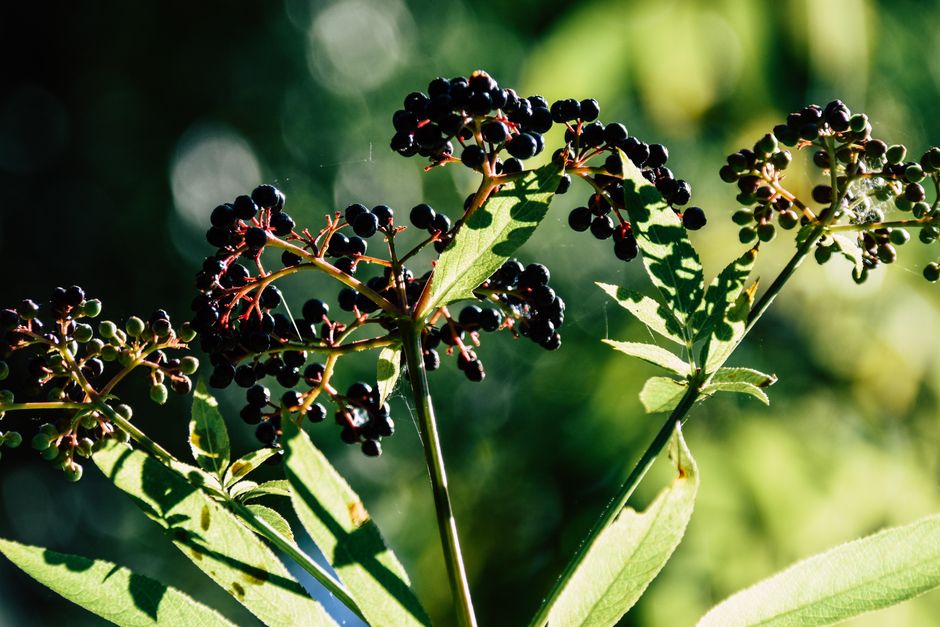
Breastfeeding parents ask about elderberry for a simple reason. Cold and flu season arrives, everyone around them is sick, and elderberry syrup is one of the most heavily marketed immune products on the shelf. The short answer: there is no evidence that elderberry is unsafe during breastfeeding, but there is also no solid evidence that it is safe or that it works. No major health organization recommends it for nursing parents, and no human studies have looked at how elderberry affects breastfed infants. Any decision should be made with your clinician, not from a product label.
Can I Take Elderberry While Breastfeeding?
Elderberry is not on the list of herbs that clinicians typically flag as clearly unsafe during breastfeeding. It is also not on the list of herbs with established safety data. That places it in a middle category: widely used, poorly studied.
The main concern is not elderberry itself. It is what else is in the bottle. Many elderberry products sold in the US are syrups sweetened with honey, combined with other herbs, or formulated with added zinc and vitamin C. Those ingredients matter for a nursing parent. Honey is not safe for infants under 12 months because of the risk of infant botulism, and while the honey in a parent’s syrup is not the same as giving honey directly to a baby, it is a reasonable thing to mention to your clinician and to keep out of your infant’s reach.
Raw or unripe elderberries contain cyanogenic glycosides, compounds that can release cyanide in the body. Commercially prepared elderberry products are typically cooked or processed to reduce these compounds. Homemade elderberry syrup made from raw berries is a different situation and carries real risk. If you use elderberry at all, use a commercially prepared product.
What Does the Research Actually Show About Elderberry?
The evidence for elderberry as a cold and flu treatment is weak. That is the honest summary.
Most of the published research is small. Some trials have looked at elderberry extract for upper respiratory symptoms and reported shorter duration of symptoms compared with placebo. Other studies have found no meaningful difference. Several of the more widely cited trials were funded or supported by manufacturers of elderberry products, which does not make them invalid but does mean they should be read with that in mind. A 2019 review of the evidence concluded that the available studies were too few and too limited in quality to support firm conclusions about elderberry for preventing or treating influenza.
There is essentially no research on elderberry specifically in breastfeeding people. No clinical trial has measured elderberry compounds in breast milk, no study has tracked breastfed infants whose mothers took elderberry, and no guidelines exist for dosing in this population. That absence of data is not proof of harm. It is proof of ignorance, and those are different things.
One clarification worth making: elderberry is often marketed as an immune “booster.” The immune system does not work that way. There is no established mechanism by which any single berry meaningfully strengthens immune function in a healthy adult. Marketing language about “supporting immunity” is not a regulated claim and is not backed by consistent clinical evidence.
Does Elderberry Pass Into Breast Milk?
Nobody knows for certain. This is one of the more important gaps in the research.
In general, small water-soluble molecules and many plant compounds can pass into breast milk to some degree, but the amount depends on the specific compound, how it is absorbed, how it is metabolized by the parent, and how it is distributed in the body. Elderberry contains a complex mix of anthocyanins, flavonoids, and other polyphenols. Whether meaningful amounts of these reach breast milk, and at what dose, has not been measured in human studies.
What is known is that breast milk is not a sterile, static fluid. It changes with what the parent eats and drinks, and small amounts of many plant compounds do appear in it. The question for elderberry is not whether anything passes through. It is whether the amount that passes through matters for an infant. That question has not been answered.
What Are the Possible Risks for a Nursing Parent and Baby?
The most commonly reported side effects of elderberry in adults are digestive: nausea, vomiting, and diarrhea, especially with higher doses or raw preparations. Those effects are uncomfortable but generally not dangerous in healthy adults.
For the breastfed infant, the risk is theoretical and unmeasured. Because elderberry has not been studied in nursing parents, there is no reliable information on whether it could cause digestive upset, allergic reaction, or any other effect in a baby. Some infants are sensitive to plant compounds that pass through breast milk. Others are not. Without data, a parent cannot know in advance which category their baby falls into.
There are also product-specific risks. Herbal supplements in the US are not reviewed for safety and effectiveness before they are sold the way prescription drugs are. Contamination, mislabeling, and inconsistent potency have been documented in herbal products generally. A product that lists elderberry on the label may not contain what the label says, or may contain additional ingredients that are not disclosed.
Parents with certain medical conditions or those taking medications should be especially cautious. Elderberry has not been well studied for interactions with drugs, and the theoretical potential for interaction with immunosuppressant medications or diabetes treatments has been raised, though not confirmed in human trials.
What Do Health Authorities Say About Herbal Products During Breastfeeding?
Major health organizations generally advise caution with herbal products during breastfeeding rather than giving a blanket green light or a blanket prohibition. The reason is consistent: most herbs have not been studied in nursing parents, and the evidence base is thin.
LactMed, a database maintained by the US National Library of Medicine, reviews available data on drugs and some supplements during breastfeeding. For many herbs, including elderberry, the entry reflects the same reality: limited or no data. That is not a warning. It is an honest statement of what is known.
The practical takeaway is that “natural” does not mean “studied” and does not mean “safe.” It means the product comes from a plant. That is all it means.
What Are the Alternatives for Cold and Flu Season?
If the goal is reducing the chance of getting sick or shortening an illness, the measures with the strongest evidence are not supplements.
- Handwashing. Frequent handwashing with soap and water remains one of the most effective ways to reduce respiratory infection spread.
- Vaccination. Annual influenza vaccination is recommended for most adults, and it is considered compatible with breastfeeding. The CDC and other public health bodies describe the inactivated flu vaccine as safe during breastfeeding. Live vaccines are a separate question and should be discussed with a clinician.
- Sleep and nutrition. Adequate sleep and a balanced diet support normal immune function. There is no single food or supplement that substitutes for these basics.
- Avoiding sick contacts where possible. This sounds obvious. It also works.
For treating symptoms once you are sick, the options with better safety data during breastfeeding include acetaminophen and ibuprofen, both generally considered compatible with breastfeeding when used as directed. Decongestants are a different story and can reduce milk supply in some people. Any medication decision during breastfeeding should go through a clinician or a lactation consultant.
The Bottom Line on Elderberry and Breastfeeding
Elderberry is not known to be harmful during breastfeeding, but the evidence is too thin to call it safe with confidence. No human studies have examined it in nursing parents or breastfed infants. The product may also contain honey, other herbs, or contaminants that carry their own concerns.
If you are considering elderberry, the responsible step is to talk with your clinician or a lactation consultant first. Bring the actual product so the ingredients can be reviewed. If you decide to use it, choose a commercially prepared product rather than a homemade raw preparation, and watch your baby for any change in feeding, stool, or behavior.
None of this is a reason to panic about elderberry. It is a reason to treat it as what it is: an herb with a modest and mixed evidence base, no safety data in breastfeeding, and a lot of marketing behind it. That is the honest picture.
Frequently Asked Questions
Is elderberry safe while breastfeeding?
No human studies have confirmed elderberry is safe during breastfeeding, and no major health organization recommends it for nursing parents. It is not known to be harmful, but the evidence is too limited to call it safe with confidence.
Does elderberry pass into breast milk?
It is not known whether meaningful amounts of elderberry compounds pass into breast milk, because this has not been measured in human studies. The theoretical possibility exists, but the actual amount and any effect on an infant are unmeasured.
Can elderberry help prevent colds while breastfeeding?
The evidence for elderberry preventing or treating colds is weak and mixed, and no studies have looked at it in breastfeeding people specifically. Handwashing and annual flu vaccination have much stronger evidence behind them.
What should I do if I already took elderberry while breastfeeding?
There is no evidence that a typical serving of commercially prepared elderberry causes harm to a breastfed infant, but you should tell your clinician and watch your baby for any change in feeding or behavior. Stop using it and seek advice if you notice anything unusual.
