
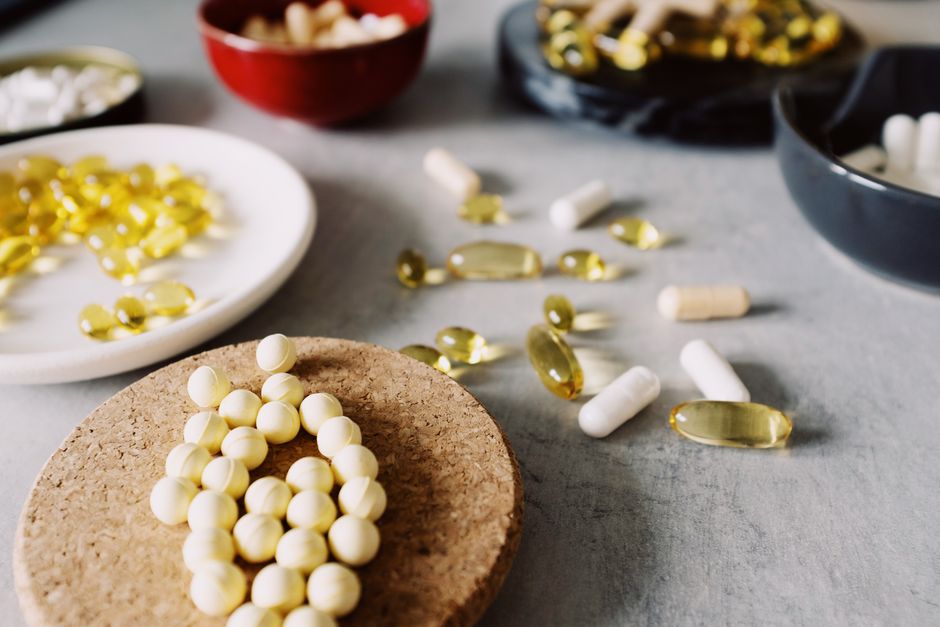
Pregnancy changes digestion in ways that can make any supplement aisle look tempting. If you are wondering whether you can take digestive enzymes while pregnant, the short answer is that there is no reliable evidence that enzyme supplements are safe or helpful in pregnancy, and no major medical organization recommends them for pregnant women. Occasional bloating, gas, and heartburn are normal parts of pregnancy, and they usually respond to food and lifestyle changes rather than enzyme pills.
What Are Digestive Enzymes, Exactly?
Digestive enzymes are proteins your body makes to break food into pieces small enough to absorb. Your salivary glands, stomach, pancreas, and small intestine all produce them. Amylase breaks down starches, protease breaks down proteins, and lipase breaks down fats.
Enzyme supplements sold in stores usually contain animal-derived or plant-derived versions of these same enzymes, sometimes combined with herbs or probiotics. They are marketed for bloating, gas, and “digestive support.” That is marketing language, not a medical claim backed by strong trials in healthy people.
One important distinction: prescription pancreatic enzyme products are a different category entirely. These are regulated drugs used for specific medical conditions like cystic fibrosis, chronic pancreatitis, and pancreatic exocrine insufficiency, where the pancreas does not make enough enzymes on its own. Those are serious conditions managed by specialists, not the same thing as an over-the-counter “digestive support” capsule.
Can You Take Digestive Enzymes While Pregnant?
No clinical guidelines recommend digestive enzyme supplements during pregnancy, and there is no solid evidence that they help with normal pregnancy-related digestive complaints. That is the honest position, and it comes down to two separate problems: safety and effectiveness.
On safety, the issue is not that enzymes are known to be dangerous in pregnancy. It is that nobody has studied them properly. Pregnant women are routinely excluded from supplement trials for ethical reasons, so for most enzyme products there is simply no data on miscarriage risk, birth outcomes, or effects on the developing baby. Absence of evidence is not the same as proof of safety. It means the question has not been answered.
On effectiveness, the case is also thin. Pregnancy bloating and gas are usually caused by hormonal changes and mechanical pressure from the growing uterus, not by a shortage of digestive enzymes. If your body is already making enough enzymes, adding more does not fix a problem that was never about enzyme supply.
There is one more layer of risk that gets overlooked. Enzyme supplements are regulated as dietary supplements in the United States, not as drugs. That means they do not need FDA approval for safety and effectiveness before they are sold. Ingredients and purity can vary between brands and even between batches. Some products combine enzymes with herbs, and certain herbs are not considered safe in pregnancy. If a label lists a blend you do not recognize, that is a reason for caution, not reassurance.
Why Does Digestion Change During Pregnancy?
Pregnancy slows the digestive tract, and that slowdown is not a flaw. It is largely driven by rising progesterone, which relaxes smooth muscle throughout the body, including the muscles of the gut. Food moves through more slowly, which can increase bloating, gas, and constipation.
Later in pregnancy, the growing uterus presses on the stomach and intestines, which can worsen reflux and that full, uncomfortable feeling after meals. Heartburn is common for the same reasons.
None of this reflects a lack of enzymes. It reflects normal anatomy and hormones doing exactly what they are supposed to do. That is a key reason enzyme pills are unlikely to address the root of the discomfort.





What Actually Helps Pregnancy Digestive Discomfort?
Established approaches focus on how and what you eat, plus a few habits that take pressure off a slower gut. These are widely recommended by clinicians and are not controversial.
- Eat smaller meals more often instead of large ones, which reduces pressure and reflux.
- Slow down and chew thoroughly. Digestion starts in the mouth.
- Limit fried, greasy, and very spicy foods if they trigger symptoms for you.
- Stay hydrated and get fiber from fruits, vegetables, and whole grains to help with constipation.
- Avoid lying down right after eating. Give your stomach time to empty.
- Ask your doctor before using any over-the-counter remedy, including antacids and fiber products.
Constipation deserves its own note. It is very common in pregnancy and can be genuinely uncomfortable. If dietary changes are not enough, clinicians sometimes recommend specific products, but which one and at what dose is a decision for your prenatal care provider. Some laxatives and stool softeners are considered more appropriate than others in pregnancy, and that is not a call to make from a label alone.
What About Prescription Pancreatic Enzymes?
If you already take prescription pancreatic enzymes for a diagnosed condition, pregnancy does not automatically mean you should stop. These medications are prescribed for a real medical need, and suddenly stopping could cause problems.
The right move is to talk with the specialist who manages your condition and your obstetric provider before or early in pregnancy. They can review whether your dose needs adjusting and how to manage your condition safely through pregnancy. Do not change or stop a prescription on your own based on something you read online.
This is a completely different situation from buying an over-the-counter enzyme capsule to see if it helps with bloating. The first is a treatment for a diagnosed disease. The second is an unproven supplement.
How Do You Check Whether a Supplement Is Safe in Pregnancy?
The simplest and most reliable step is to ask your prenatal care provider before taking anything, including products marketed as natural. Bring the actual bottle so they can read the full ingredient list.
Watch for these red flags on any supplement label:
- Proprietary blends that do not list amounts of each ingredient.
- Added herbs, especially ones you do not recognize.
- Claims that sound too strong, like “cures bloating” or “guaranteed relief.”
- No contact information or third-party testing noted by the manufacturer.
Keep in mind that “natural” does not mean safe in pregnancy. Several plant compounds that are fine for most adults are specifically cautioned against during pregnancy. The label alone will not tell you which is which.
The Bottom Line on Enzyme Supplements in Pregnancy
There is no established reason to take digestive enzyme supplements while pregnant, and no strong evidence they work for typical pregnancy digestive complaints. The safety data in pregnancy is essentially absent, which is a real limitation rather than a green light.
If you are uncomfortable, that discomfort is worth taking seriously. Tell your provider what you are feeling. Most pregnancy digestive symptoms can be managed with food adjustments and, when needed, treatments your clinician knows are appropriate for pregnancy. Skip the unproven supplement and have the conversation instead.
Frequently Asked Questions
Are digestive enzymes safe during pregnancy?
There is no reliable evidence that over-the-counter digestive enzyme supplements are safe in pregnancy, because pregnant women have not been included in studies of these products. No major medical organization recommends them for pregnant women.
Can digestive enzymes help with pregnancy bloating?
There is no good evidence they help. Pregnancy bloating is usually caused by hormonal slowing of the gut and pressure from the growing uterus, not by a shortage of digestive enzymes.
What should I do if I have bad indigestion while pregnant?
Talk to your prenatal care provider, who can suggest food and lifestyle changes and, if needed, a treatment considered appropriate during pregnancy. Do not start any supplement or over-the-counter remedy without checking first.
What if I already take prescription pancreatic enzymes?
Do not stop them on your own. Contact the specialist who manages your condition and your obstetric provider so they can review your dose and keep your condition controlled through pregnancy.
