
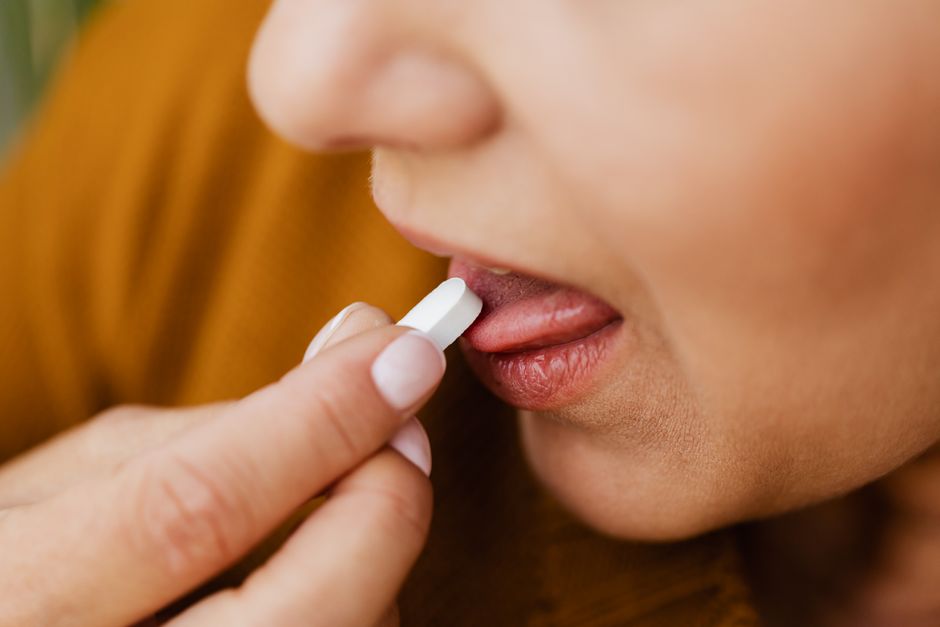
Yes, you can take biotin and vitamin C together. There is no known interaction between them, and they do not cancel each other out or compete for absorption. Both are water-soluble vitamins, meaning your body absorbs what it needs and passes the rest out in urine. Most people who take both do so without any problem.
The more useful question is whether taking them together does what you expect. Biotin and vitamin C do different jobs in the body, and the evidence for each as a supplement is not equally strong. There is also one real safety issue with biotin that has nothing to do with vitamin C — it can interfere with certain lab tests. That point matters more than any interaction between the two vitamins.
Do Biotin and Vitamin C Interact in the Body?
No established interaction exists between biotin and vitamin C. They are absorbed through separate pathways in the gut and used for separate functions, so taking them at the same time does not reduce how much of either one you get.
Biotin, also called vitamin B7, is a coenzyme. It helps enzymes carry out reactions involved in breaking down fats, carbohydrates, and proteins. Vitamin C (ascorbic acid) is a water-soluble antioxidant and a cofactor for enzymes that build collagen and support normal immune function. These roles do not overlap in a way that would cause one vitamin to block the other.
One thing worth knowing: both vitamins are water-soluble, which is why excess amounts are excreted rather than stored. This is also why the risk of toxicity from either one at normal supplemental doses is low. That is different from fat-soluble vitamins like A, D, E, and K, which can build up in the body.
Can I Take Biotin And Vitamin C Together Safely?
For most healthy adults, taking biotin and vitamin C together is safe. Neither vitamin is known to be toxic at typical supplement doses, and there is no reason to space them apart.
The main caution with biotin is not about combining it with anything. It is about what biotin does to certain blood tests. High doses of biotin can interfere with lab tests that use biotin-streptavidin technology, including some tests for thyroid hormones and for troponin, a marker used to detect heart attacks. This interference can produce falsely low or falsely high results depending on the test.
The FDA has issued safety communications about this. If you take a biotin supplement and your doctor orders blood work, tell them. This is a real and documented issue, not a theoretical one. Some clinicians recommend stopping biotin for a few days before certain tests, but the right approach depends on the dose and the specific test — ask the lab or your doctor rather than guessing.
Vitamin C is generally well tolerated. Very high doses can cause digestive upset like diarrhea or cramps in some people. People with a history of kidney stones may want to talk to a doctor before taking large doses, since high vitamin C intake can increase oxalate excretion.
Does Vitamin C Affect Biotin Absorption?
Vitamin C does not affect biotin absorption. The two vitamins are taken up by different transport mechanisms, and no research shows that vitamin C changes how much biotin your body absorbs or uses.
Biotin absorption happens in the small intestine through a specific transporter. Vitamin C is absorbed through its own sodium-dependent transporters. Because these systems are separate, there is no competition between them.
What can affect biotin absorption is something else entirely: raw egg whites. They contain a protein called avidin that binds tightly to biotin and prevents its absorption. Cooking deactivates avidin, so this is mainly a concern for people who regularly eat raw egg whites. It has nothing to do with vitamin C.





What Does the Evidence Say About Each Supplement?
The evidence for biotin and vitamin C as supplements is not the same, and it is worth separating them.
Biotin is genuinely essential for normal metabolism, and true biotin deficiency does occur — though it is rare in people eating a normal diet. The claim that biotin supplements strengthen hair and nails is far less certain. Some small studies have reported improvements in nail brittleness, but the evidence is limited and mixed. No large, well-controlled trials confirm that biotin supplements improve hair growth in people who are not deficient. Many hair and nail products market biotin heavily; that marketing runs well ahead of the evidence.
Vitamin C is essential, and deficiency causes scurvy. Beyond preventing deficiency, the evidence is more nuanced. Vitamin C supports normal immune function, and some research suggests it may modestly shorten the duration of a cold when taken regularly, though results vary and it does not appear to prevent colds in most people. Its role as an antioxidant is well established biologically, but whether supplemental vitamin C delivers meaningful long-term health benefits in well-nourished people is still debated.
The practical point: if you eat a varied diet, you likely get enough of both vitamins from food. Supplements are most clearly useful when intake is low or a deficiency exists.
How Much Biotin and Vitamin C Do You Need?
The recommended daily amounts are modest and easy to reach through food. These figures come from established dietary reference intakes.
- Biotin: About 30 micrograms per day for adults. There is no established tolerable upper limit because no adverse effects have been reported at high intakes.
- Vitamin C: 90 milligrams per day for adult men and 75 milligrams per day for adult women. Smokers need about 35 milligrams more per day. The tolerable upper limit for adults is 2,000 milligrams per day.
Many biotin supplements sold for hair and nails contain doses far above 30 micrograms — often in the thousands of micrograms. These high doses are not known to be toxic, but they are also the doses most likely to interfere with lab tests. That is the key trade-off to understand.
No clinical guidelines set separate biotin or vitamin C dosing for infants or pregnant and breastfeeding women beyond the standard dietary reference intakes, and supplement decisions in these groups should be discussed with a clinician.
When Should You Be Careful?
The main situations that call for caution involve lab testing, not the combination itself.
If you take a high-dose biotin supplement, tell any doctor ordering blood tests, especially thyroid tests or tests for heart attack markers. Emergency departments and labs have become more aware of this interference, but they cannot account for it if they do not know you take biotin.
For vitamin C, people with kidney stone history or kidney disease should talk to a doctor before taking high doses. People taking certain medications, including some chemotherapy drugs, may also need to discuss vitamin C with their care team, since high doses can interact with specific treatments.
Anyone with a diagnosed vitamin deficiency, a chronic illness, or who is pregnant or breastfeeding should get individualized advice rather than relying on general guidance.
Should You Take Them Together or Separately?
There is no biological reason to take biotin and vitamin C at different times. Taking them together is fine. Splitting them apart will not improve absorption or change their effects.
What matters more is consistency and dose awareness. Take them with food if they upset your stomach, and keep track of how much biotin you are getting — especially if you have upcoming blood work. Beyond that, the timing is a matter of personal preference, not physiology.
Frequently Asked Questions
Can I take biotin and vitamin C at the same time?
Yes. There is no known interaction between biotin and vitamin C, and they do not interfere with each other’s absorption. Taking them together is safe for most healthy adults.
Does biotin interfere with vitamin C absorption?
No. Biotin and vitamin C are absorbed through separate pathways in the gut, so neither one blocks the other. No research shows that biotin reduces vitamin C absorption.
Does biotin affect blood tests?
Yes, high doses of biotin can interfere with certain lab tests, including some thyroid tests and tests for heart attack markers. Tell your doctor you take biotin before any blood work.
How much biotin and vitamin C should I take daily?
Adults need about 30 micrograms of biotin and 75 to 90 milligrams of vitamin C per day, depending on sex. These amounts are easily met through a varied diet.
