
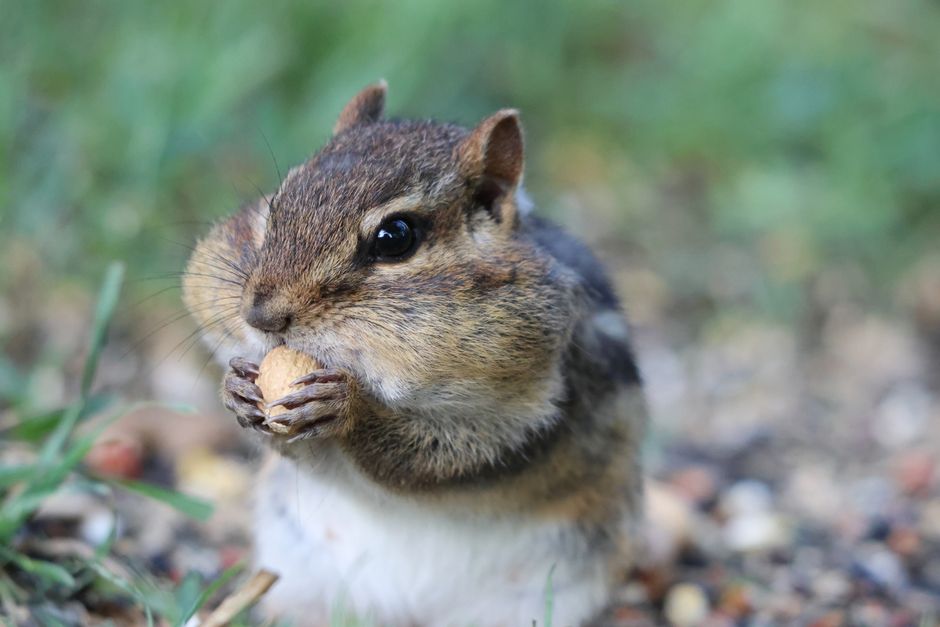
In most of the United States, you cannot legally keep a chipmunk as a pet. Many states prohibit private ownership of native wildlife outright, and others require a permit that is rarely granted to individuals. Even where a chipmunk might be legal, the animal’s needs are difficult to meet in a home, and most veterinarians are not trained to treat it.
Chipmunks look harmless. They are small, common in backyards, and easy to catch. That gap between how they appear and what they actually require is where most problems start. This guide covers the laws, the biology, and the practical realities honestly.
Can I Have a Pet Chipmunk? Laws and Care Tips Start With the Legal Question
Chipmunks are wild animals, not domesticated pets, and the law treats them that way in nearly every state. The specific rules vary widely, so you need to check your own state’s wildlife regulations before anything else.
Many states classify chipmunks as protected wildlife or as wildlife that cannot be privately possessed without a special permit. A few allow possession only with a rehabilitation or educational permit. Some have no explicit rule for chipmunks but still prohibit keeping wild-caught animals generally.
Permits for private pet ownership are uncommon. When they exist, they usually require a demonstrated purpose, such as wildlife rehabilitation or public education, and they come with facility inspections and reporting requirements. A person who simply wants a chipmunk as a companion animal is rarely a category the permit system is built to serve.
Enforcement matters too. Keeping a wild animal without the required permit can carry fines and the animal can be seized. That is a real risk, not a technicality.
Why the Rules Exist
Wildlife laws protect animals and people. Removing a chipmunk from the wild can disrupt local populations, and it separates an animal from the environment it is adapted to. Some rules also exist to reduce disease transmission between wildlife and humans.
State wildlife agencies publish their regulations online, and a phone call to your state’s wildlife department will get you a clear answer for your location. That is the only reliable way to know your local status. Rules differ enough between states that no single national answer applies.
Is It Legal to Catch a Wild Chipmunk and Keep It?
No, in most places it is not, and catching a wild chipmunk is usually a separate violation from keeping one. Many states prohibit taking wildlife from the wild without a permit regardless of what you plan to do with the animal.
There is also a welfare problem that has nothing to do with paperwork. A wild-caught chipmunk is not tame. It has spent its life learning to avoid predators, and confinement in a cage produces intense stress. Some animals injure themselves against enclosure walls trying to escape. Others never settle.
Handling a wild chipmunk also carries a bite risk. Chipmunks have sharp incisors and will defend themselves. Any bite from a wild mammal is a wound that needs prompt medical attention, and in some regions it raises questions about rabies exposure that require a clinician’s assessment.
If you find an injured or orphaned chipmunk, the correct path is to contact a licensed wildlife rehabilitator. They have the permits, training, and facilities to help. Your state wildlife agency can connect you with one.
What Does a Chipmunk Need to Survive in Captivity?
Chipmunks have specific needs that are hard to meet in a typical home, and this is true even for the species sometimes bred in captivity. Understanding those needs explains why experts generally discourage keeping them as pets.
Space and Movement
Chipmunks are active, territorial rodents that dig, climb, and run. A small cage does not give them room to express normal behavior. They need significant space, deep bedding for burrowing, and structures to climb. Even generous home enclosures fall short of what the animal would use in the wild.
Diet
Chipmunks are omnivores. In the wild they eat seeds, nuts, fruits, insects, and other plant and animal material. A captive diet has to approximate that variety. Feeding only seeds or only nuts is inadequate and can lead to nutritional problems.
Exact nutritional requirements for chipmunks are not well established in the veterinary literature. That is an honest limitation. There is no widely agreed complete commercial diet formulated specifically for pet chipmunks, which makes feeding a matter of informed guesswork rather than a settled standard.
Temperature, Light, and Hibernation
Chipmunks are sensitive to temperature and light cycles. Many species spend part of the year in torpor or hibernation, and disrupting those natural cycles through constant warm indoor conditions and artificial light can affect their health. Captive management of these cycles is complex and not well studied for pet settings.
Social and Behavioral Needs
Chipmunks are not domesticated. They do not bond with people the way a dog or a hand-raised rat does. Many remain fearful and defensive for life. Some become stressed by handling rather than comforted by it.
They are also escape artists. Chipmunks can squeeze through small gaps and chew through materials. An escaped chipmunk indoors can damage property and is difficult to recover.
What Health Risks Do Chipmunks Carry?
Chipmunks, like all wild rodents, can carry infections that affect humans. This is one of the reasons wildlife agencies restrict keeping them.
Rodents can carry bacteria and parasites, and bites or contact with droppings can transmit illness. Chipmunks are among the rodents associated with concerns about certain infections, and any wild mammal bite warrants medical evaluation. Rabies is rare in small rodents, but public health guidance still treats wild mammal bites as something to assess with a clinician rather than dismiss.
There is also a risk to the animal. Stress from confinement and handling can suppress an animal’s immune function, making it more vulnerable to illness. A stressed wild animal in a cage is not a healthy one.
Are There Legal Alternatives to a Pet Chipmunk?
If what draws you to a chipmunk is a small, active rodent, several domesticated species are legal in most places and far better suited to home life. These animals have been bred for generations to live with people, and their care needs are well documented.
- Fancy mice and rats are domesticated, social, and widely kept. Their housing, diet, and health needs are well understood by veterinarians.
- Hamsters are solitary and popular, though they are nocturnal and may not suit someone who wants an active daytime pet.
- Gerbils are social, active during the day and evening, and generally hardy.
- Guinea pigs are larger, social, and long-lived compared with smaller rodents, with well-established care standards.
Each of these still needs proper housing, a suitable diet, and veterinary care. But the information to care for them well exists, and most small-animal veterinarians can treat them.
If you simply enjoy chipmunks, you can attract them to a garden with native plants and observe them from a distance. Watching a wild chipmunk in its own environment is a legitimate way to enjoy the animal without the legal and welfare problems of captivity.
Why Do Veterinarians Rarely Treat Chipmunks?
Most veterinarians are not trained in chipmunk medicine, and many will decline to treat a wild-caught animal. Veterinary training for exotic pets focuses on species commonly kept in captivity. Chipmunks fall outside that group.
This creates a practical problem. If your chipmunk becomes ill or injured, you may not be able to find a veterinarian who will see it. That is a serious gap for any pet, and it is one more reason the animal is a poor fit for home life.
Wildlife rehabilitators are the people with the relevant skills and permits. They are the appropriate resource for chipmunks, not a general practice clinic.
Frequently Asked Questions
Can you keep a chipmunk as a pet in the US?
In most states, no. Many states prohibit private ownership of chipmunks or require a permit that is rarely granted to individuals, so you must check your state’s wildlife regulations for the exact rule.
Is it illegal to catch a wild chipmunk and keep it?
In most places, yes. Many states prohibit taking wildlife from the wild without a permit, and keeping a wild-caught chipmunk is usually a separate violation.
What should I do if I find a baby chipmunk?
Contact a licensed wildlife rehabilitator through your state wildlife agency. Do not try to raise it yourself, because wild animals need specialized care and keeping one usually requires permits you do not have.
What is a good legal alternative to a pet chipmunk?
Domesticated small rodents such as fancy mice, rats, hamsters, gerbils, or guinea pigs are legal in most places and have well-documented care needs and available veterinary care.
