
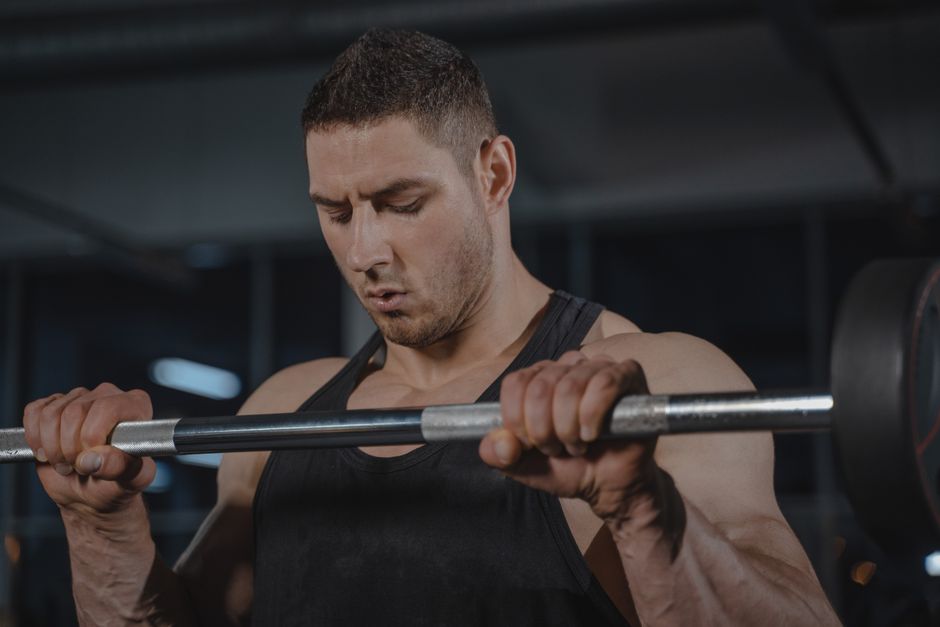
If you have pneumonia, the answer is no — you should not exercise. Your body is fighting a serious lung infection, and physical activity can make your symptoms worse and delay recovery. Rest is the most important treatment during the acute phase of pneumonia. Even after you start feeling better, returning to exercise needs to be gradual and guided by how your body responds.
What Is Pneumonia and Why Does It Affect Exercise?
Pneumonia is an infection that inflames the air sacs in one or both lungs. These air sacs, called alveoli, may fill with fluid or pus. This makes it harder for oxygen to reach your bloodstream.
When you exercise, your body demands more oxygen. Your heart beats faster and you breathe deeper and quicker. With pneumonia, your lungs cannot keep up with that demand. You may become short of breath quickly, feel dizzy, or put extra strain on your heart.
The infection also triggers a systemic inflammatory response. Your immune system is working hard. Energy that would go toward muscle recovery or physical output is redirected to fighting the infection. Exercising during this time can prolong your illness and increase your risk of complications.
How Long Should You Wait Before Exercising Again?
There is no single timeline that works for everyone. The severity of your pneumonia matters. So does your age, overall health, and whether you had any complications.
For mild cases of pneumonia treated at home, most people need at least one to two weeks of rest before considering any physical activity. For more severe cases, especially those requiring hospitalization, recovery can take several weeks or even months.
The key is to listen to your body. You should be completely free of fever without using fever-reducing medication. You should not feel chest pain, wheezing, or unusual shortness of breath at rest. Your energy levels should feel close to normal before you attempt even light exercise.
What Are the Risks of Exercising With Pneumonia?
Exercising with an active lung infection carries real risks. The most serious is putting extra strain on your heart. Pneumonia can affect your cardiovascular system, and strenuous activity increases the work your heart must do.
You also risk worsening your symptoms. Physical exertion can trigger coughing fits, chest pain, and severe shortness of breath. Some people find that their fever returns after attempting exercise too soon.
In rare cases, exercising with pneumonia can contribute to complications like pleurisy, which is inflammation of the tissue around the lungs, or respiratory failure. These are uncommon but serious outcomes. The safest approach is to avoid exercise entirely until your doctor clears you.



When Can You Safely Start Exercising Again?
Your doctor is the best person to tell you when it is safe to resume physical activity. They will listen to your lungs, check your oxygen levels, and assess your overall recovery.
As a general guide, you can begin thinking about exercise when you meet all of these criteria:
- You have been fever-free for at least 48 hours without medication
- You are no longer experiencing chest pain or pressure
- You are not short of breath during normal daily activities
- You can walk around your home without feeling exhausted
- Your doctor has given you clearance
When you do start, begin with light activity only. A short walk around the block is a reasonable first step. Pay close attention to how you feel during and after. If you develop a cough, feel dizzy, or become unusually tired, stop and rest. Do not push through these signs.
How Should You Return to Exercise After Pneumonia?
Returning to exercise after pneumonia is a gradual process. It is not a race. Most people benefit from a slow, structured approach over several weeks.
Start with walking. Ten to fifteen minutes at a comfortable pace is enough for the first few sessions. If that goes well, you can gradually increase your time and pace over the next week.
Once walking feels easy, you can add light strength training or yoga. Avoid heavy lifting, high-intensity interval training, or endurance activities until you have been symptom-free for several weeks and your doctor approves.
Monitor your resting heart rate. Some people notice their resting heart rate is higher than usual during recovery. This is a sign your body is still working to heal. Wait until your resting heart rate returns to your normal baseline before increasing your exercise intensity.
Hydration is important during recovery. Your body needs fluids to help clear mucus from your lungs. Drink water regularly throughout the day, not just during exercise.
What Types of Exercise Are Safe During Recovery?
During the early recovery phase, gentle movement is acceptable. This is not exercise in the traditional sense. It is about maintaining mobility and preventing stiffness.
Deep breathing exercises can help your lungs recover. Sit upright, breathe in slowly through your nose, hold for a few seconds, and exhale gently through your mouth. Doing this several times a day can help expand your lung capacity and clear secretions.
Gentle stretching is also fine. It keeps your muscles flexible without raising your heart rate significantly. Avoid any position that makes it hard to breathe.
Activities to avoid during recovery include running, cycling at high intensity, swimming, and any sport that requires bursts of effort. These place too much demand on your respiratory system.
Can Exercise Help Prevent Pneumonia?
Regular exercise does support a healthy immune system. Research consistently shows that moderate physical activity is associated with a lower risk of respiratory infections. This is different from saying exercise prevents pneumonia specifically, but the connection is real.
Regular moderate exercise helps maintain lung function and cardiovascular health. It also supports healthy circulation, which allows immune cells to move through your body efficiently.
However, intense exercise can temporarily suppress immune function. This is known as the open window theory. After very strenuous exercise, your immune system may be slightly less effective for a few hours. This is temporary and not a reason to avoid exercise. It is a reason to balance intensity with recovery.
Other preventive measures matter more than exercise. Vaccination against influenza and pneumococcal disease is important for adults over 65 and people with chronic conditions. Quitting smoking is the single most impactful thing you can do for lung health. Good hand hygiene reduces your exposure to respiratory viruses.
What If You Feel Better but Still Have a Cough?
A lingering cough after pneumonia is common. It can last for several weeks after the infection has cleared. This does not mean you are still contagious or that you cannot resume normal activities.
However, a cough during exercise is a warning sign. If physical activity triggers coughing, your airways are still sensitive. Back off and give yourself more time.
If your cough produces discolored mucus, if you develop a fever again, or if you feel increasing chest pain, contact your doctor. These could be signs of a secondary infection or incomplete recovery.
Frequently Asked Questions
Can I exercise with walking pneumonia?
No, you should not exercise with walking pneumonia. Walking pneumonia is a milder form of pneumonia, but it is still a lung infection that requires rest.
How long after pneumonia can I exercise?
Most people need at least one to two weeks of rest before attempting light activity, and full recovery can take several weeks. Your doctor should clear you before you resume any exercise routine.
Can I go to work with pneumonia?
You should stay home from work until you are fever-free for at least 24 hours and your symptoms have improved. Returning too early can prolong your illness and put coworkers at risk if the cause is contagious.
What happens if I exercise with pneumonia?
Exercising with pneumonia can worsen your symptoms, increase strain on your heart, and delay your recovery. In serious cases, it can lead to complications like pleurisy or respiratory distress.
