
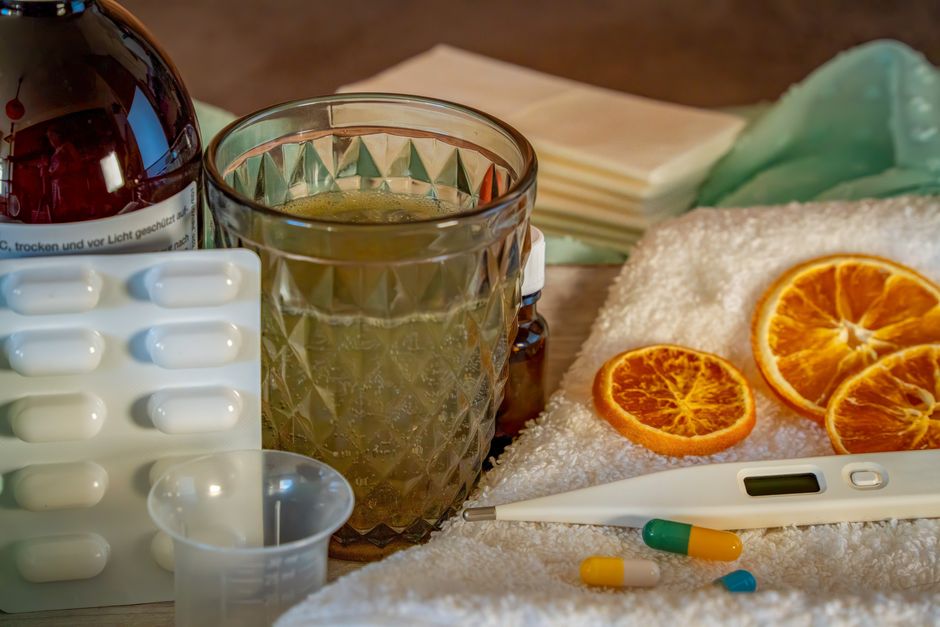
Yes, you can and should eat when you have a fever, but choose foods that are easy to digest, nutrient-rich, and hydrating. Avoid heavy, greasy, or sugary foods that can worsen inflammation or dehydration. Light options like broth, plain crackers, and soft fruits help support your immune system without taxing your digestion.
Does Eating Help When You Have a Fever?
Yes, eating the right foods helps when you have a fever. A fever raises your body temperature and speeds up your metabolism. Your body burns more calories and uses more fluids than usual. This means you need energy and nutrients to fuel your immune response.
Without enough food, your body may break down muscle tissue for energy, which weakens you over time. But eating too much or the wrong foods can make nausea, bloating, or diarrhea worse. The goal is to eat small amounts of gentle, nourishing foods while staying hydrated.
What to Eat When You Have a Fever
The best foods for a fever are easy to digest, high in water content, and rich in vitamins and minerals. Here are well-tolerated options supported by general medical advice:
- Broth-based soups – Chicken soup, vegetable broth, or bone broth provide fluids, electrolytes, and protein without heavy fat.
- Plain crackers or toast – Simple carbohydrates settle the stomach and give quick energy.
- Steamed or soft fruits – Applesauce, bananas, and melons are gentle on the stomach and supply potassium and vitamin C.
- Cooked vegetables – Carrots, zucchini, or sweet potatoes, lightly cooked, are easy to digest and provide vitamins.
- Oatmeal or rice porridge – Warm, bland cereals add calories and fluid without irritating the gut.
- Water, herbal tea, or clear electrolyte drinks – Staying hydrated is as important as eating. Sip fluids throughout the day.
These foods help replace lost fluids, provide energy, and supply nutrients your immune system needs. There is no single “fever diet” studied in large trials, but these choices align with standard clinical recommendations for illness recovery.
What to Avoid Eating With a Fever
Avoid foods that are hard to digest, dehydrating, or pro-inflammatory. They can worsen symptoms and slow recovery.
- Fried, greasy, or fatty foods – High-fat meals delay stomach emptying and can cause nausea or discomfort.
- Sugary snacks and drinks – Soda, candy, and sweetened juices provide empty calories and may worsen inflammation. Research in the American Journal of Clinical Nutrition indicates high sugar intake can impair immune function for several hours.
- Dairy products – For some people, milk and cheese can thicken mucus or cause bloating. Evidence is mixed, but many clinicians advise avoiding dairy if you have a sore throat or congestion.
- Alcohol and caffeine – Both can dehydrate you further. Alcohol also suppresses immune response. Stick to water, clear broths, or herbal teas.
- Spicy foods – Capsaicin can irritate an already sensitive stomach and may worsen nausea or heartburn.
- Raw vegetables or high-fiber foods – These require more digestive effort and can cause gas or cramping when you feel unwell.



Can I Eat With a Fever? What to Eat and Avoid – Quick Reference Table
| Food Category | Safe to Eat | Better to Avoid |
|---|---|---|
| Soups & Broths | Clear chicken, vegetable, bone broth | Heavy cream soups, chowders |
| Grains | Plain crackers, white rice, oatmeal, toast | Whole grain bread, bran cereals |
| Fruits | Applesauce, bananas, melon, peaches | Citrus (if sore throat), dried fruit |
| Vegetables | Cooked carrots, zucchini, sweet potatoes | Raw broccoli, cabbage, cauliflower |
| Proteins | Poached egg, soft tofu, shredded chicken | Fried meat, bacon, processed sausage |
| Drinks | Water, herbal tea, oral rehydration solution | Soda, alcohol, coffee, energy drinks |
Should You Force Yourself to Eat When You Have a Fever?
No, do not force yourself to eat a full meal if you have no appetite. Your body often reduces hunger during illness to focus energy on fighting infection. However, you must drink fluids regularly to prevent dehydration.
Try small frequent snacks – a few crackers or a spoonful of applesauce – even if you do not feel hungry. If you cannot keep any food down for more than 24 hours, or if you have a high fever (above 103°F or 39.4°C), contact a doctor. Prolonged fasting without medical supervision can lead to weakness and delayed recovery.
When to See a Doctor About Eating With a Fever
See a healthcare provider if any of the following occur:
- You cannot keep fluids down for more than 12 hours.
- You have severe abdominal pain or vomiting.
- Your fever lasts longer than 3 days in adults.
- You have a fever above 104°F (40°C).
- You have signs of dehydration: dry mouth, dark urine, dizziness, or confusion.
- You are caring for an infant or older adult with a fever and poor appetite.
These symptoms may indicate a more serious infection that requires medical assessment and possibly intravenous fluids or other treatment. Do not rely on dietary changes alone if you are at high risk or symptoms are severe.
Frequently Asked Questions
Can I eat ice cream when I have a fever?
It is best to avoid ice cream because the high sugar and fat content can slow digestion and may worsen nausea. Dairy also thickens mucus for some people, though this effect is not universal.
Is it good to drink orange juice with a fever?
Orange juice provides vitamin C but is also acidic and high in sugar, which can upset an empty stomach. Dilute it with water or choose a lower-acid fruit like melon instead.
Should I eat eggs when I have a fever?
Yes, soft-cooked eggs are a good source of protein and easy to digest when you have a fever. Avoid frying them in butter or oil; poaching or boiling is gentler.
How long should I wait before eating after a fever breaks?
There is no set rule, but wait until your appetite returns naturally. Start with light foods like toast or broth, then gradually reintroduce regular meals over a day or two.
