
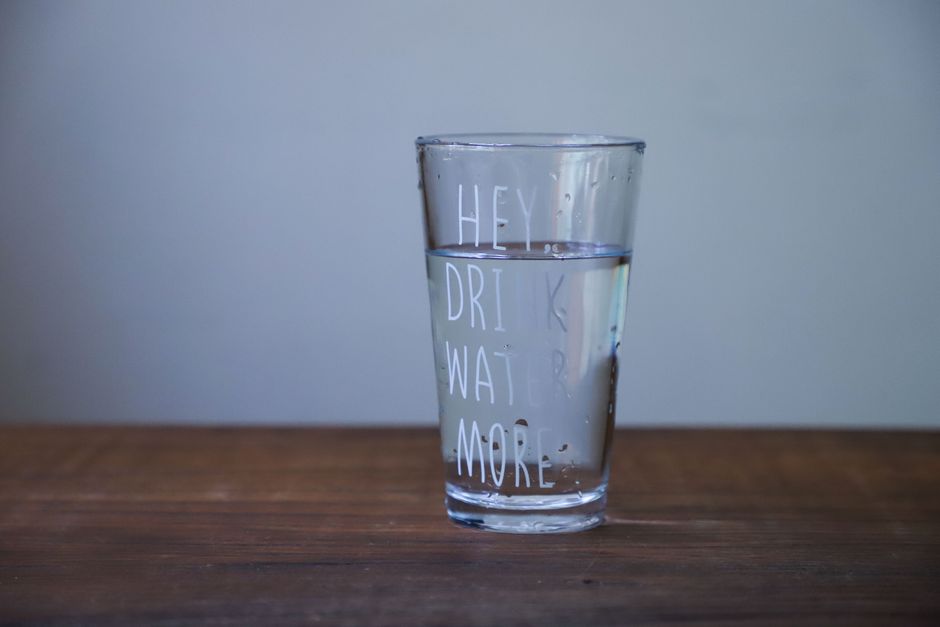
Yes, you can drink cold water after a tooth extraction. In fact, cold liquids are usually a better choice than hot ones in the first day or two. The cold helps limit swelling and bleeding, and it soothes the tender area instead of irritating it.
There are a few practical rules that matter more than the temperature itself. Don’t use a straw. Don’t swish forcefully. And keep the first day’s drinks cool or lukewarm rather than hot.
Can I Drink Cold Water After Tooth Extraction?
Cold water is safe and often helpful right after a tooth comes out. Dentists commonly suggest cool liquids in the first 24 hours because cold causes blood vessels near the surface to narrow. That reduced blood flow can ease swelling and slow minor oozing at the socket.
The main thing to avoid is the physical force of drinking, not the cold. Sipping gently from a cup or glass is fine. Sucking through a straw is not, because the suction can pull the protective blood clot out of the socket.
That clot is the body’s natural bandage. It forms in the empty socket and covers the exposed bone and nerve endings underneath. When it gets dislodged too early, the result is a condition called dry socket. It’s painful and usually needs a trip back to the dentist. Straws, forceful spitting, and aggressive rinsing are the common ways people accidentally remove that clot.
Why Is Cold Better Than Hot After an Extraction?
Heat increases blood flow to an area. Around a fresh extraction site, more blood flow can mean more swelling and more bleeding. Cold does the opposite by constricting those small vessels.
This is the same reason you’d hold an ice pack on a sprained ankle. The principle is well established for reducing swelling and easing pain in the first phase of healing. Cold drinks apply a milder version of that effect from the inside.
Hot drinks are a different story. Very hot coffee, tea, or soup can increase blood flow to the socket and may restart bleeding that had settled. They can also sting if the liquid touches sensitive tissue near the wound. Most dentists advise sticking to cool or lukewarm drinks for the first day and easing back into hot beverages after that.
One clarification worth making: cold water doesn’t speed up healing directly. It manages symptoms — swelling, bleeding, discomfort. The actual repair of tissue happens on its own schedule regardless of what temperature you drink.
How Should You Drink Water Without Disturbing the Clot?
Technique matters more than temperature. The goal is to get liquid into your mouth and down your throat without creating suction or pressure at the socket.
- Sip from a cup or glass, not a straw.
- Let the water flow to the back of your mouth rather than swishing it around the extraction site.
- Avoid vigorous rinsing for the first 24 hours.
- Don’t spit forcefully — let saliva and water dribble out if you need to.
- Skip carbonated drinks if the bubbles feel irritating.
Some people find it easier to drink from a sports bottle cap or a small cup rather than a full glass. Whatever keeps the sip slow and gentle works. There’s no need to avoid the extraction side entirely — just don’t create a swirling, sucking motion over it.
When Can You Go Back to Normal Drinking?
Most of the caution belongs to the first 24 hours. That’s when the clot is freshest and most fragile. After that, the clot begins to organize and firm up, and the risk of dislodging it drops.
Many dentists suggest avoiding straws for about a week as a safety margin, since the suction force is the real problem rather than the drinking itself. This is common clinical advice rather than something pinned to an exact number of days in rigorous trials. If your dentist gave you a specific timeline, follow that instead.
Hot drinks can usually return after the first day or two, once bleeding has fully stopped and the area feels less raw. Alcohol is a separate matter — it can irritate healing tissue and interact with pain medication, so it’s worth asking your dentist when it’s acceptable for you.
What About Other Cold Drinks and Foods?
Cold water is the safest choice, but it isn’t the only one. Cold or cool foods are often recommended in the days after an extraction because they’re soothing and don’t require chewing near the wound.
Things people commonly tolerate well include:
- Cool water and diluted juice
- Yogurt and smoothies eaten with a spoon, not a straw
- Ice cream and popsicles, as long as you don’t suck hard on them
- Cooled soups and broths
- Mashed soft foods at room temperature
Carbonated and acidic drinks like soda or citrus juice can sting if they reach the socket. They won’t necessarily harm healing, but they’re uncomfortable for many people in the first day or two. Caffeinated drinks are fine in moderation, though too much caffeine can make some people feel jittery and doesn’t help you rest.
Crunchy foods — chips, nuts, seeds, popcorn — are the bigger concern than any drink. Small pieces can lodge in the socket and are hard to clean out without disturbing the clot.
What Signs Mean You Should Call Your Dentist?
Mild discomfort and a little oozing in the first day are normal. Some things are not, and they’re worth a phone call rather than waiting it out.
Contact your dentist if you notice:
- Pain that gets worse after the first couple of days instead of better
- Bleeding that won’t stop with gentle pressure from biting on gauze
- A bad taste or foul odor coming from the socket
- Visible swelling that keeps increasing
- Fever
- A feeling that the clot is gone and the socket looks empty, with sharp pain
That last pattern is the classic description of dry socket. It typically shows up a few days after the extraction and is more common with lower molar extractions and in smokers. It’s treatable — the dentist cleans the socket and often places a medicated dressing — but it usually won’t resolve comfortably on its own.
Cold water won’t cause any of these problems. If something feels wrong, it’s more likely related to the clot, an infection, or normal healing pain than to the temperature of your drink.
Frequently Asked Questions
Can I drink cold water right after a tooth extraction?
Yes, cold water is safe and often recommended in the first 24 hours because it can help limit swelling and bleeding. Sip gently from a cup and avoid straws.
How long after extraction can I drink through a straw?
Most dentists advise waiting about a week before using a straw. The suction can dislodge the blood clot and lead to a painful dry socket.
Is ice water bad for a tooth extraction site?
No, ice water is generally fine and can soothe the area. The cold itself isn’t the risk — forceful swishing or sucking is what you need to avoid.
Can I drink hot coffee after a tooth extraction?
It’s best to skip hot drinks for the first day or two. Heat can increase blood flow to the socket and may restart bleeding or add to swelling.
