
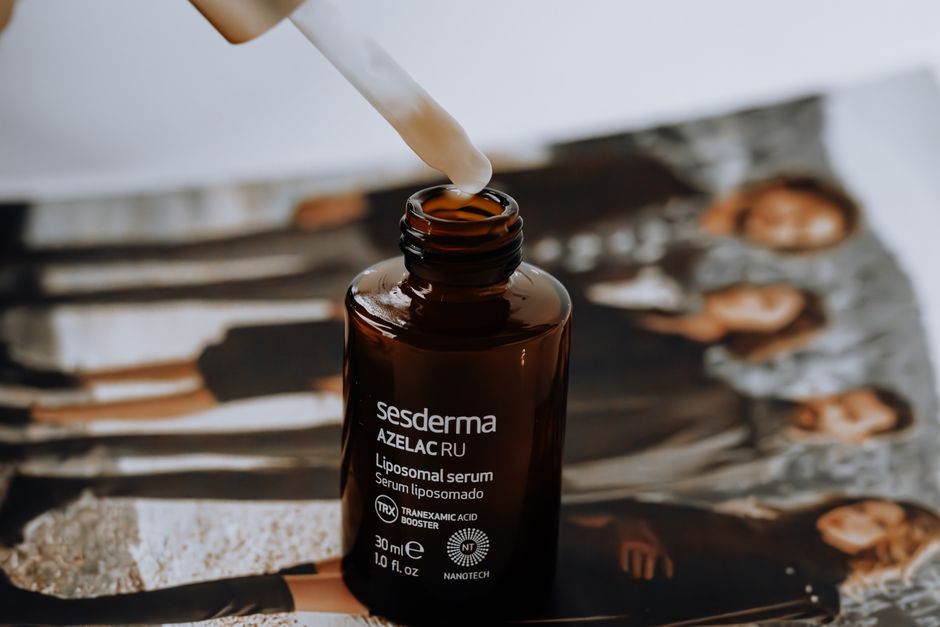
Hyaluronic acid is famous for holding water in your skin. But under the right conditions, it can pull moisture out of your skin instead. This is called transepidermal water loss, and it is a real phenomenon with a simple explanation. The short answer is yes, hyaluronic acid can dry your skin — and it usually happens when the air around you is dry, or when you layer the product incorrectly. Here is what happens and how to avoid it.
How Hyaluronic Acid Works in the Skin
Hyaluronic acid is a humectant. That means it draws water toward itself and holds it there. Your skin naturally contains hyaluronic acid, mostly in the deeper layers. It acts like a sponge, keeping the skin plump and hydrated.
When you apply it topically, the molecule sits on the surface of your skin. It pulls water from two places: the deeper layers of your skin and the air around you. In normal conditions, this is a good thing. The water gets trapped and your skin looks fuller.
One gram of hyaluronic acid can hold up to one thousand times its weight in water. That number is often repeated in marketing, but it is accurate. The problem is not the molecule itself. The problem is where the water comes from when the air is dry.
Why Hyaluronic Acid Can Pull Moisture Out of Your Skin
Hyaluronic acid does not create water. It moves water. If the air around you is humid, the molecule pulls moisture from the air and holds it on your skin. If the air is dry, there is no water in the air to pull from. So the molecule pulls water from your skin instead.
This process is called transepidermal water loss. It happens when water evaporates from the skin faster than it can be replaced. When hyaluronic acid sits on a dry surface — like skin in a heated room in winter — it can accelerate this evaporation.
This is not a marketing myth. It is a documented effect of humectants in low-humidity environments. Some research has shown that applying hyaluronic acid without a protective layer on top can increase water loss in dry conditions. The molecule wants water so badly that it takes it from wherever it can find it.
Your skin barrier matters here. A healthy barrier keeps water inside. A damaged barrier lets water escape. If your skin is already compromised — from over-washing, harsh cleansers, or a skin condition — hyaluronic acid can make the problem worse instead of better.
Signs That Hyaluronic Acid Is Drying Your Skin
You might not realize the product is causing the problem. The symptoms can look like normal dryness. Here is what to watch for:
- Tightness shortly after applying the product
- A flaky or rough texture within a few hours
- Redness or irritation that was not there before
- Skin that feels drier at the end of the day than it did in the morning
- Fine lines that look more visible, not less
If you notice these signs, stop using the product for a few days. See if your skin returns to its normal state. If it does, the hyaluronic acid was likely the problem.
Not everyone reacts this way. People in humid climates rarely have this issue. The problem is most common in winter, in dry climates, or in air-conditioned rooms. If you live somewhere with low humidity, you are at higher risk.




How to Use Hyaluronic Acid Without Drying Your Skin
The solution is not to throw the product away. It is to use it correctly. The rules are simple and backed by dermatology practice.
Apply it to damp skin. Do not put hyaluronic acid on dry skin. Pat your face with water first, or apply it right after cleansing while your skin is still moist. The molecule will grab that water instead of pulling from your skin.
Seal it with a moisturizer. This is the most important step. A moisturizer with occlusive ingredients — like petrolatum, shea butter, or squalane — creates a barrier on top of the hyaluronic acid. This barrier traps the water in and stops evaporation. Without this step, you are leaving the hyaluronic acid exposed to dry air.
Use it in the right order. Hyaluronic acid goes on after cleansing and before heavier creams. It is a water-based product. Apply it while your skin is damp, let it absorb for a minute, then apply your moisturizer over it.
Consider the concentration. Products with very high concentrations of hyaluronic acid are not necessarily better. Some research suggests that lower concentrations — around one percent or less — work as well as higher ones with less risk of irritation. A product that lists hyaluronic acid far down the ingredient list is probably fine.
What the Research Actually Shows
The evidence on hyaluronic acid and skin dryness is more nuanced than most marketing suggests. Topical hyaluronic acid is generally well tolerated and effective for mild dryness. Studies have found it improves skin hydration and reduces the appearance of fine lines when used correctly.
But the drying effect is real. It happens when the product is used in low-humidity conditions without an occlusive layer on top. This is not a controversial claim among dermatologists. It is a known limitation of humectants.
Some studies indicate that the molecular weight of hyaluronic acid matters. Low-molecular-weight hyaluronic acid penetrates deeper into the skin. High-molecular-weight hyaluronic acid stays on the surface. Both can draw water, but the surface layer is more likely to cause transepidermal water loss in dry conditions.
There is no clinical evidence that hyaluronic acid damages the skin permanently. The drying effect is temporary. Once you stop using the product or change how you use it, your skin returns to its baseline state.
Alternatives If Hyaluronic Acid Does Not Work for You
Hyaluronic acid is not the only hydrating ingredient on the market. If it consistently dries your skin, you have other options.
Glycerin is another humectant. It works similarly to hyaluronic acid but is less likely to cause transepidermal water loss. Glycerin is one of the most studied skincare ingredients and has a strong safety record.
Ceramides are not humectants. They are lipids that help rebuild the skin barrier. A moisturizer with ceramides will not draw water to the skin, but it will help keep the water you have from escaping.
Squalane is an emollient. It softens the skin and fills in gaps between skin cells. It does not pull water, so it cannot cause the same drying effect.
If you prefer to stick with hyaluronic acid, look for a product that combines it with other hydrating ingredients. Many formulations include glycerin or panthenol alongside hyaluronic acid. These combinations are less likely to dry the skin because they do not rely on a single humectant.
Myths About Hyaluronic Acid and Dry Skin
There is a common belief that hyaluronic acid cannot dry your skin because it is a natural substance found in your body. This is not accurate. Natural does not mean risk-free. Your body produces hyaluronic acid, but it produces it in the deeper layers of the skin, not on the surface. Topical application is a different situation.
Another myth is that drinking more water will prevent the drying effect. Hydration from the inside does not directly change how a topical humectant behaves on the surface of your skin. Drinking water is good for your overall health, but it will not stop transepidermal water loss caused by a humectant in dry air.
A third myth is that more hyaluronic acid is always better. High concentrations can actually increase the risk of irritation and dryness. The goal is balanced hydration, not maximum saturation.
When to See a Dermatologist
Occasional dryness from a skincare product is normal. Persistent dryness, peeling, or irritation is not. If your skin does not improve after changing how you use hyaluronic acid, or if you develop flaking, redness, or a burning sensation, see a dermatologist.
These symptoms can also indicate an allergy or a skin condition like contact dermatitis. A dermatologist can help you figure out what is causing the reaction and recommend products that will work for your skin type.
If you have a skin condition like eczema or rosacea, be especially careful with humectants. Your skin barrier is already compromised. Adding a humectant without proper occlusion can worsen your symptoms.
Frequently Asked Questions
Can hyaluronic acid make dry skin worse?
Yes, in dry environments it can pull water out of your skin instead of into it. Applying it to damp skin and sealing with a moisturizer prevents this.
How do I know if hyaluronic acid is drying my skin?
Watch for tightness, flaking, or increased redness within hours of application. If symptoms stop when you pause the product, it is likely the cause.
Should I stop using hyaluronic acid in winter?
You do not have to stop, but you need to be more careful. Apply it to damp skin and always follow with a thicker moisturizer in low-humidity conditions.
Can I use hyaluronic acid without a moisturizer?
Not recommended in dry conditions. Without a moisturizer on top, the hyaluronic acid has nothing to trap the water it draws, so it can evaporate and take skin moisture with it.
