
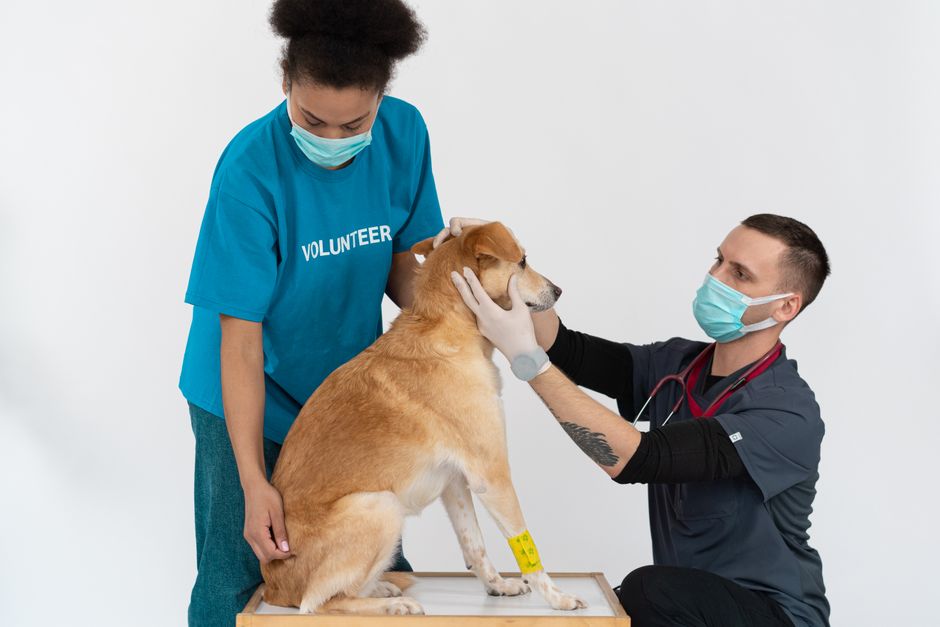
Parvovirus B19 is a common human virus, and it spreads easily from person to person. Can humans contract parvo? Yes, but not the parvo that makes dogs sick. The virus people contract is parvovirus B19, a different virus from the one that causes canine parvovirus. It is common, usually mild, and most adults have already been infected without knowing it.
The name is where the confusion starts. Two viruses share the word “parvo,” but they are not the same virus and they do not infect the same species. Canine parvovirus affects dogs. Parvovirus B19 affects people. The two are closely related, but a dog cannot give you B19, and you cannot give your dog canine parvo.
Can Humans Contract Parvo From Dogs?
No. You cannot catch parvovirus from a dog, and your dog cannot catch parvovirus B19 from you. They are separate viruses that infect separate species.
Canine parvovirus causes severe, sometimes fatal illness in dogs, especially puppies. It attacks the intestines and can cause bloody diarrhea and vomiting. People who handle a sick dog may worry about catching it. There is no documented case of a person becoming infected with canine parvovirus.
The reverse is also true. Parvovirus B19 is a human virus. Dogs are not part of its transmission cycle. This is one of the clearer examples of how a shared name can create unnecessary fear.
What Is Parvovirus B19 and How Does It Spread?
Parvovirus B19 is a small virus that infects humans and is the cause of a common childhood illness called fifth disease. It spreads mainly through respiratory droplets when an infected person coughs or sneezes.
The virus is very common. Most people are infected at some point, often in childhood. By adulthood, a large share of the population has antibodies against it from a past infection. Many of those infections were mild enough that nobody noticed.
Spread happens through close contact. Sharing a home, a classroom, or a workplace with someone who is infected raises your risk. The virus can also pass from a pregnant woman to her fetus, and it can spread through blood products. Those routes are less common but documented.
People are most contagious in the days before symptoms appear. By the time the telltale rash shows up, a person is usually no longer spreading the virus. That timing matters because it makes the illness hard to contain once you know someone has it.
What Are the Symptoms of Parvovirus B19?
Symptoms depend heavily on a person’s age and health. In children, the most recognizable sign is a bright red rash on the cheeks, often called a “slapped cheek” rash. A lacy, pink rash may follow on the body and limbs.
Adults often have a different experience. Many adults do not get the classic rash. Instead they may have joint pain and swelling, especially in the hands, wrists, and knees. This joint pain can last for weeks or longer in some people. It is more common in women than in men.
Early symptoms can look like a mild cold or flu. Some people have a low fever, headache, runny nose, or general tiredness in the days before any rash appears. Many people have no symptoms at all.
For most healthy people, the illness resolves on its own without treatment. The rash fades. The joint pain usually settles. The body clears the virus and develops lasting immunity.





Who Is at Risk for Serious Complications?
For most people, parvovirus B19 is a mild illness. A small number of groups face higher risk of serious complications, and this is where the virus deserves real attention.
People with certain blood disorders are at higher risk. Parvovirus B19 can temporarily halt the bone marrow’s production of red blood cells. A healthy person can tolerate this for a short time. A person whose body already depends on a high rate of red blood cell production, such as someone with sickle cell disease or another chronic anemia, can develop severe anemia. This is a medical emergency and needs prompt care.
Pregnant women are another group that warrants caution. Infection during pregnancy can pass to the fetus. In a small number of cases, this can lead to fetal anemia, and in rare cases to more serious outcomes. The overall risk is low, but the complication is real. Pregnant women who are exposed to someone with parvovirus B19, or who develop symptoms, should talk to their doctor promptly.
People with weakened immune systems are also at higher risk. Their bodies may struggle to clear the virus, leading to prolonged infection and ongoing anemia. This includes people receiving certain cancer treatments, organ transplant recipients, and others with suppressed immunity.
If you fall into one of these groups, the virus is not something to dismiss. For everyone else, it is usually a brief, self-limiting illness.
How Is Parvovirus B19 Diagnosed and Treated?
Diagnosis is often made from the symptoms alone, especially in a child with the classic rash. When the picture is unclear, doctors can order a blood test to check for antibodies to the virus.
There is no specific antiviral treatment for parvovirus B19 in otherwise healthy people. Care focuses on relieving symptoms. Rest, fluids, and over-the-counter pain relievers for fever and joint pain are typical. In most cases, the illness passes without further intervention.
Treatment decisions for people at higher risk are different and belong to their doctors. Someone with a blood disorder may need monitoring or a blood transfusion. A pregnant woman may need closer monitoring of the pregnancy. People with weakened immune systems may receive treatment aimed at supporting their blood counts. These are clinical decisions made case by case, not something to manage at home.
No vaccine for parvovirus B19 is currently available to the public. Prevention relies on basic hygiene and common sense.
How Can You Reduce Your Risk?
Basic hygiene helps. Wash your hands regularly, especially after coughing, sneezing, or being around someone who is sick. Cover your mouth and nose when you cough or sneeze. These steps reduce the spread of many respiratory viruses, not just parvovirus B19.
If you are pregnant or have a condition that raises your risk, avoid close contact with someone who has a known or suspected parvovirus B19 infection when you can. If exposure happens, tell your doctor. They can advise you on monitoring.
People who are sick should stay home while they feel unwell. Because the virus is most contagious before symptoms appear, this does not prevent every case, but it helps.
The Bottom Line on Parvo and People
Parvovirus B19 is a common human virus. It spreads by respiratory droplets, causes a mild illness in most people, and leaves lasting immunity. The “slapped cheek” rash in children and joint pain in adults are the most recognizable signs.
The serious risks are concentrated in specific groups: people with certain blood disorders, pregnant women, and people with weakened immune systems. Those groups need medical guidance, not reassurance.
The dog version of parvo is a separate virus and does not infect people. If you have been near a sick dog, you are not at risk of catching canine parvovirus. If you or your child has symptoms that concern you, or if you fall into a higher-risk group, talk to a doctor.
Frequently Asked Questions
Can humans contract parvo from dogs?
No. Canine parvovirus and human parvovirus B19 are different viruses that infect different species. A dog cannot transmit canine parvo to a person.
Is parvovirus B19 the same as parvo in dogs?
No. They are closely related viruses, but parvovirus B19 infects humans and canine parvovirus infects dogs. Neither virus crosses to the other species.
Is parvovirus B19 dangerous during pregnancy?
It can be. Infection during pregnancy can pass to the fetus and, in a small number of cases, cause fetal anemia, so pregnant women who are exposed or develop symptoms should contact their doctor promptly.
How long does parvovirus B19 last?
In most healthy people the illness is brief and resolves on its own, though joint pain in adults can last for weeks or longer. People at higher risk may need medical monitoring.
