
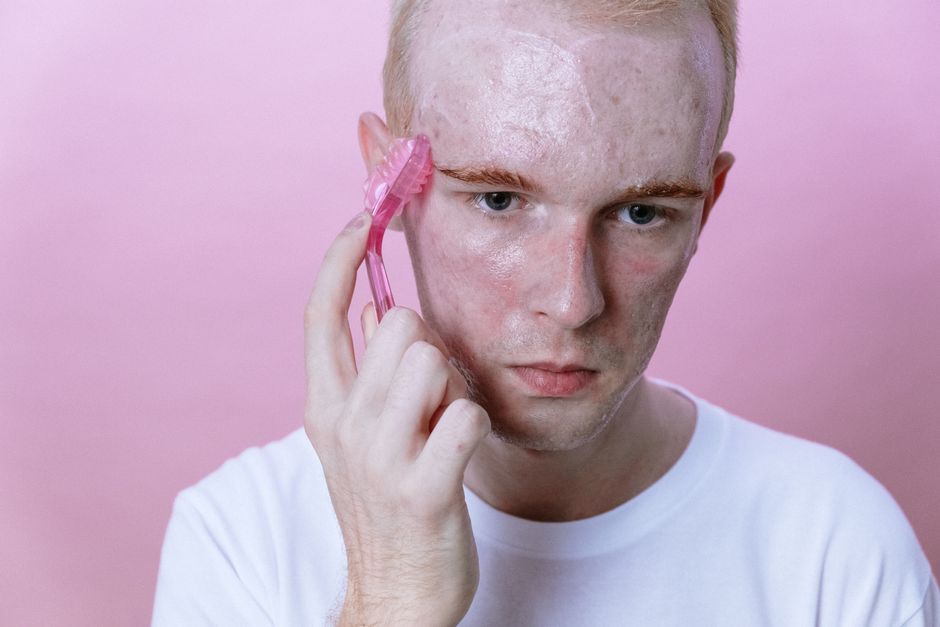
Hormone replacement therapy (HRT) is used to relieve menopause symptoms by restoring estrogen, often alongside a progestogen. Acne is not a typical side effect of estrogen itself. In fact, estrogen usually works the other way — it tends to reduce acne. The confusion comes from the fact that HRT is not one single thing. What is in the prescription, and how your body responds to it, matters far more than the word “estrogen” on the label.
So the short answer: estrogen on its own is unlikely to cause acne, and it often improves it. But some forms of HRT — particularly those containing certain progestogens, or testosterone — can trigger breakouts in some people. The details below explain why.
How Does Estrogen Affect Acne?
Estrogen generally reduces acne. This is one of the better-established relationships in dermatology and endocrinology.
Sebum is the oily substance your sebaceous glands produce. When sebum production rises and pores get blocked, acne develops. Estrogen tends to lower sebum production. It also appears to reduce inflammation in the skin and influence how quickly skin cells turn over, which can help keep pores clear.
This is why acne often flares before a menstrual period, when estrogen drops and androgens are relatively unopposed. It is also why combined hormonal contraceptives containing estrogen are sometimes prescribed to help manage acne in women.
So if you are taking estrogen as part of HRT and noticing breakouts, estrogen is an unlikely culprit on its own. Something else in the picture is more likely responsible.
Can HRT Estrogen Cause Acne?
The estrogen component of HRT is not a common cause of acne. When breakouts do appear during HRT, they are more often linked to the progestogen, to testosterone, or to the underlying hormonal shifts of perimenopause itself.
Here is the key distinction. “HRT” describes several different treatment types:
- Estrogen-only therapy — typically prescribed only for women who have had a hysterectomy.
- Combined therapy — estrogen plus a progestogen, prescribed for women who still have a uterus to protect the uterine lining.
- Testosterone therapy — sometimes added for low libido, though this is not standard HRT and its use varies.
The progestogen is the part most often associated with skin changes. Some progestogens have weak androgenic activity, meaning they can act a little like testosterone in the body. That can increase sebum and contribute to acne in susceptible people. Not all progestogens behave this way — some are neutral or even mildly anti-androgenic.
This is why two women on “HRT” can have completely different skin outcomes. The specific drug and the route of delivery matter.
Which Progestogens Are More Likely to Trigger Acne?
Progestogens differ in their androgen-like effects, and this difference is well recognized in clinical practice. Those with more androgenic activity are more likely to be associated with acne.
Progestogens that tend to have more androgenic activity include:
- Levonorgestrel
- Norethisterone (also called norethindrone)
- Tibolone
Progestogens that are generally considered neutral or less androgenic include:
- Micronized progesterone (sometimes called “body-identical” progesterone)
- Dydrogesterone
- Drospirenone (which has anti-androgenic properties)
If acne appears after starting a combined HRT that contains a more androgenic progestogen, that is a reasonable place to look. Changing the progestogen is a decision for your prescriber, not something to adjust on your own.
One clarification worth making: the route of estrogen delivery — patch, gel, spray, or pill — does not appear to be a major driver of acne. The type of progestogen is the more relevant variable.
Can Perimenopause Itself Cause Acne?
Yes. Acne during perimenopause is common, and it often has nothing to do with HRT at all.
During perimenopause, estrogen levels fluctuate and generally decline, while androgen levels do not drop at the same rate. The result is a relative increase in androgen influence. That shift can increase sebum production and lead to breakouts — often along the jawline and chin, in a pattern similar to hormonal acne at other life stages.
This timing matters for interpreting your own experience. If you started HRT around the same time your skin changed, it is easy to assume the HRT caused it. But perimenopause itself could be the cause, and the two events simply happened together.
There is no reliable way to tell the difference from symptoms alone. A clinician can help sort out the likely cause by looking at your specific regimen, your timing, and your history.
What About Testosterone in HRT?
Testosterone is a more plausible acne trigger than estrogen. Testosterone and related androgens increase sebum production, and higher androgen levels are a well-established driver of acne.
Testosterone is sometimes prescribed to women for low sexual desire, though it is not approved for this use in most countries and its use is not universal. When it is used, acne is a recognized possible side effect.
If you are using any testosterone product as part of your hormone care and developing acne, that is a more likely contributor than the estrogen. This is worth raising with your prescriber.
What Should You Do If You Notice Acne on HRT?
Do not stop or change your HRT on your own. Hormonal changes made abruptly can cause other symptoms to return or worsen.
Instead, track what you are noticing and bring it to your prescriber. Useful information to gather:
- When the acne started relative to when you began or changed HRT
- Exactly which products you take — the estrogen type, the progestogen type, and any testosterone
- The route of each (patch, gel, pill, spray)
- Where the acne appears and how it behaves over your cycle, if you still have one
From there, a clinician may consider whether the progestogen is the likely factor and whether an alternative might suit you better. This is a common and reasonable conversation. It is not a reason to abandon treatment that is otherwise helping you.
Acne that is persistent, painful, or leaving marks is worth a separate conversation with a dermatologist or your primary clinician, regardless of HRT.
Is Acne a Known Side Effect of Estrogen Therapy?
Acne is not listed as a typical side effect of estrogen therapy itself. When it appears in product information for combined HRT, it is more often attributed to the progestogen component.
Estrogen’s general effect on skin runs in the opposite direction — it tends to reduce sebum and calm inflammation. That does not mean no one ever breaks out while taking estrogen. Individual responses vary, and skin is influenced by many factors beyond hormones, including genetics, stress, diet, and other medications.
The honest position: if you develop acne after starting HRT, the estrogen is an unlikely primary cause, but the full regimen and your own hormonal context deserve a proper look. Certainty here comes from your specific situation, not from the general rule.
Frequently Asked Questions
Can HRT estrogen cause acne?
Estrogen on its own is unlikely to cause acne and tends to reduce it. When acne appears during HRT, the progestogen or added testosterone is a more likely contributor.
Which HRT is most likely to cause acne?
Combined HRT containing a more androgenic progestogen, such as levonorgestrel or norethisterone, is more often associated with acne. Testosterone therapy is also a recognized trigger.
Does perimenopause cause acne without HRT?
Yes. Falling estrogen with relatively stable androgens during perimenopause can increase sebum and cause breakouts, often along the jawline and chin.
Should I stop HRT if I get acne?
No. Do not stop or change HRT on your own. Talk to your prescriber, who may be able to adjust the progestogen or address the acne separately.
