
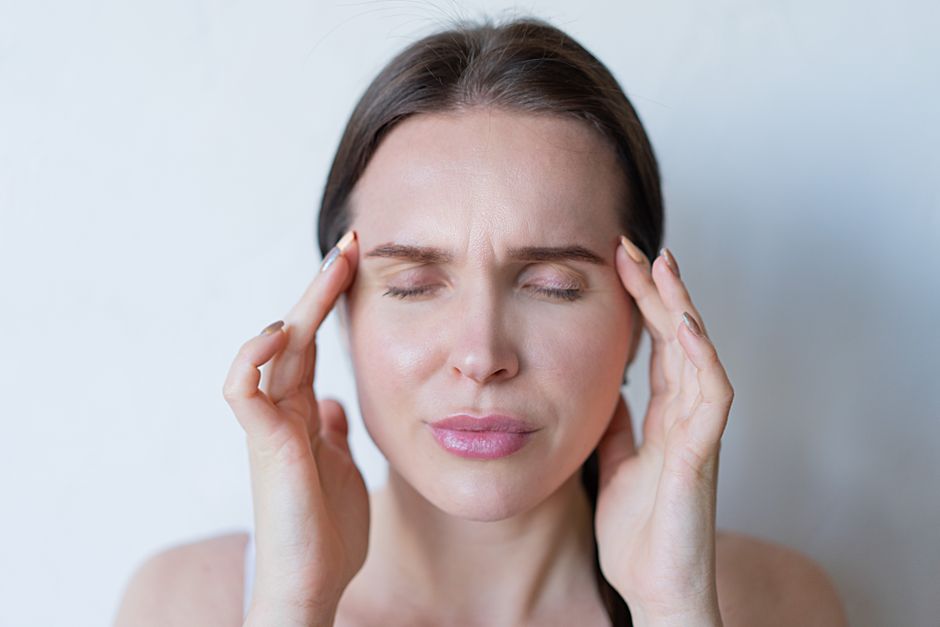
Most people assume a bad headache means their blood pressure must be up. It’s one of the most common reasons people check their pressure during a headache, and one of the most common reasons they worry. The reality is more specific than the rumor. Ordinary high blood pressure — the kind that quietly sits at 140/90 or 150/95 for years — does not typically cause headaches. But a sudden, severe spike in blood pressure can. That distinction matters, because it changes what a headache is actually telling you.
Can High Bp Cause Headaches?
Yes — but only in a narrow set of circumstances. The headache is linked to the sudden rise, not to the chronic number. A person whose blood pressure has been mildly or moderately elevated for a decade is not more likely to have headaches because of it. A person whose pressure shoots up sharply — from a medical emergency, a drug reaction, or a severe acute illness — may develop one.
This is where most confusion starts. People check their pressure during a headache, see a high reading, and conclude the pressure caused the pain. In many cases the relationship runs the other way, or both are being driven by something else — pain, stress, poor sleep, caffeine, or anxiety about the headache itself.
The clinical term for a dangerous sudden rise is hypertensive crisis. It is defined as a blood pressure reading above 180/120 mmHg. When that rise is accompanied by symptoms such as severe headache, chest pain, shortness of breath, vision changes, confusion, or weakness, it is a medical emergency and requires immediate care. When the reading is above 180/120 but the person feels well, current guidance is to rest and recheck within a few minutes, and seek care if it stays that high.
Why Doesn’t Ordinary High Blood Pressure Cause Headaches?
Because the body adapts. When blood pressure rises gradually over months or years, the blood vessels in the brain remodel and adjust to the higher pressure. The brain’s own blood flow regulation — a system called autoregulation — keeps cerebral blood flow relatively stable across a wide range of pressures. That adaptation is why someone can walk around with a pressure of 160/100 and feel completely normal.
This is also why high blood pressure is called the “silent killer.” Most people with hypertension have no symptoms at all. The damage happens quietly — to the heart, kidneys, eyes, and blood vessels — long before anything feels wrong. The absence of symptoms is not reassurance that the pressure is fine.
There is one historical wrinkle worth knowing. For decades, textbooks described headaches as a symptom of high blood pressure. That belief was largely based on case reports of people whose headaches resolved once their pressure was treated. When researchers later looked at the question more carefully — comparing people with and without hypertension — the link mostly disappeared. The early reports likely captured people with sudden spikes or with severe, untreated hypertension, not the ordinary chronic kind.
When Does a Headache Actually Signal a Blood Pressure Emergency?
A headache becomes a warning sign when it arrives with a sudden, severe rise in pressure and other symptoms at the same time. The headache alone is not the signal. The pattern is.
Signs that a high reading and a headache together need emergency care:
- Blood pressure above 180/120 mmHg
- Chest pain or pressure
- Shortness of breath
- Vision changes — blurring, double vision, or loss of vision
- Confusion, trouble speaking, or difficulty understanding
- Weakness or numbness on one side of the body
- Severe headache that comes on suddenly and is unusually intense
- Nausea and vomiting alongside the headache
This combination can point to a hypertensive emergency, in which the very high pressure is actively damaging organs. It can also point to a stroke, which is a separate emergency that can raise blood pressure as a consequence. Either way, the response is the same: call emergency services. Do not wait to see if it passes. Do not take an extra dose of blood pressure medication hoping to bring it down on your own — rapid self-correction of very high pressure can be dangerous.
One clarification that often gets lost: a hypertensive emergency is defined by organ damage, not by the number alone. A reading of 190/110 with no symptoms and no organ injury is treated differently from the same reading with chest pain or vision loss. The number matters, but the symptoms matter just as much.
What Kind of Headache Do People With High Blood Pressure Actually Get?
When a headache is genuinely tied to a blood pressure spike, it tends to have a particular character. It is often described as a dull, throbbing pain, frequently worse in the morning, and often located at the back of the head. Some people notice it easing once the pressure is brought under control.
But this pattern is not specific. Tension headaches, migraines, sinus headaches, and caffeine withdrawal can all produce similar pain in similar places. A morning headache is also a classic feature of sleep apnea, which itself can raise blood pressure. That overlap is why a headache alone is a poor screening tool for hypertension — it simply cannot tell you what your pressure is doing.
The only reliable way to know your blood pressure is to measure it, ideally when you feel well and are rested. Checking it in the middle of a bad headache gives you a number shaped by pain and stress, not a fair picture of your baseline.
Does Treating High Blood Pressure Get Rid of Headaches?
Usually not, because in most people the headaches were never caused by the pressure. If someone’s headaches improve after starting blood pressure medication, it is often because the medication is doing something else — or because the headaches were unrelated and resolved on their own.
There is a real exception. Some blood pressure medications — particularly beta-blockers — are also used to prevent migraines. So a person with migraines who starts a beta-blocker for hypertension may genuinely notice fewer headaches. That is a drug effect on migraine, not proof that the high pressure was causing the headaches.
There is also a reverse effect worth knowing. Some blood pressure medications can cause headaches as a side effect, particularly certain calcium channel blockers, which are commonly used to treat hypertension. If headaches start or worsen after a new prescription, that is worth raising with the prescribing clinician rather than assuming the pressure itself is the culprit.
Why Do People Link Headaches and High Blood Pressure?
Because the two commonly occur together, and humans are pattern-finders. Headaches are extremely common. High blood pressure is extremely common. When they overlap, the mind connects them.
There is also a physiological reason the link feels real. Pain and stress activate the sympathetic nervous system — the “fight or flight” branch — which raises blood pressure temporarily. So a bad headache can genuinely produce a higher reading. The pressure went up because of the headache, not the other way around.
Anxiety plays a role too. Someone worried about their blood pressure may check it during a headache, see an elevated number driven by worry and pain, and feel more anxious. The cycle reinforces the belief.
This is not to dismiss anyone’s experience. If you have headaches and high blood pressure, both deserve attention — just not the assumption that one is causing the other. They are two separate things that each need their own evaluation.
What Should You Do If You Have Headaches and High Blood Pressure?
Get the pressure measured properly and get the headaches evaluated on their own terms. These are two separate conversations with a clinician, and treating one does not automatically address the other.
For the blood pressure, the established approach is home monitoring with a validated upper-arm cuff, taken at consistent times, and reviewed with a clinician. A single high reading is not a diagnosis. A pattern over days and weeks is what matters.
For the headaches, a clinician will want to know the pattern — when they occur, how long they last, what makes them better or worse, and whether anything else happens at the same time. Frequent or disabling headaches have their own established treatments, and none of them depend on whether the blood pressure is high.
If you ever experience a sudden severe headache alongside a very high reading and any of the emergency signs listed above, that is not a “wait and see” situation. It is a call for emergency help.
Frequently Asked Questions
Can high blood pressure cause headaches without other symptoms?
Chronic high blood pressure typically causes no symptoms at all, including headaches. A headache from a blood pressure spike usually comes with other signs such as chest pain, vision changes, or confusion.
What blood pressure reading is dangerous with a headache?
A reading above 180/120 mmHg with a severe headache or other symptoms is a medical emergency. Call emergency services rather than trying to lower the pressure yourself.
Does lowering blood pressure stop headaches?
Usually not, because most headaches in people with hypertension are not caused by the pressure. Some beta-blockers used for blood pressure also help prevent migraines, which can make it seem that way.
Can a headache raise your blood pressure reading?
Yes. Pain and stress activate the nervous system and can temporarily raise blood pressure. A reading taken during a bad headache may be higher than your true baseline.
