
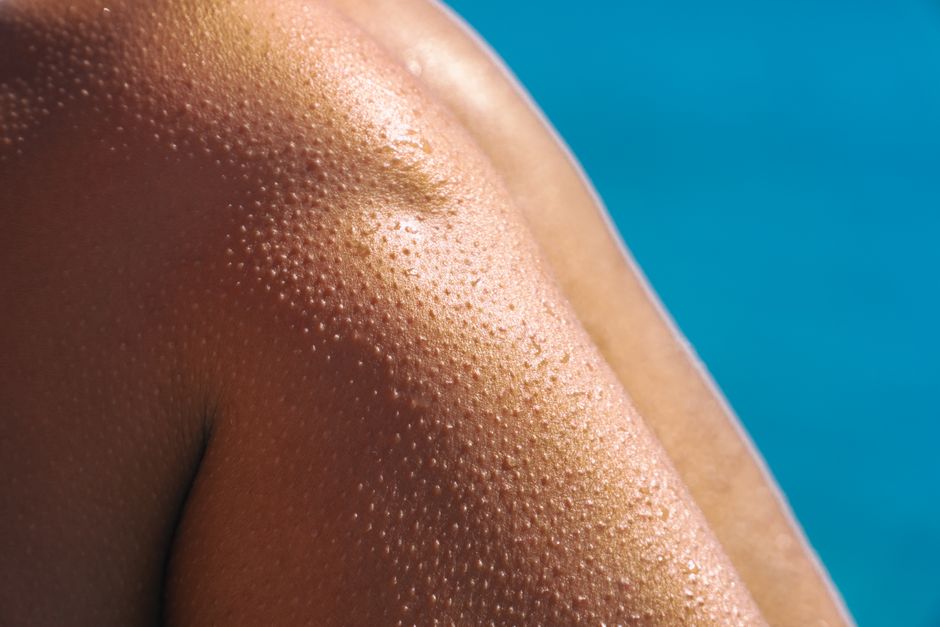
Yes, heat rash can be very itchy. The itching is often the most bothersome part of the condition, especially for young children who scratch at the rash and make it worse. Heat rash happens when sweat ducts get blocked and sweat leaks into nearby skin, and that trapped sweat triggers the itch.
The medical name is miliaria. It usually shows up as small red bumps or tiny clear blisters in skin folds and areas where clothing rubs. Most cases are mild and clear up on their own once the skin cools and dries.
Can Heat Rash Be Itchy?
Heat rash is itchy in most of its common forms. The itch comes from inflammation, not from an allergy or infection. When sweat gets trapped under the skin, the body responds with a mild inflammatory reaction, and that reaction is what makes the area feel prickly and itchy.
There are a few types of heat rash, and the itch varies between them:
- Miliaria crystallina — tiny clear, fluid-filled blisters. These usually do not itch. They look worse than they feel.
- Miliaria rubra — small red bumps. This is the most common type and the one that itches and prickles the most.
- Miliaria pustulosa — red bumps that develop pus. These can be itchy and sometimes tender.
- Miliaria profunda — deeper, firmer bumps. Less common, and usually seen in people who have repeated episodes of heat rash.
The prickly, itchy feeling is so characteristic of miliaria rubra that it gave the condition its common nickname: prickly heat. The itch tends to be worse in heat and humidity, and worse when the person sweats.
Why Does Heat Rash Itch So Much?
The itch is a direct result of sweat being trapped where it does not belong. Sweat glands sit deep in the skin and carry sweat up through narrow ducts to the surface. When those ducts get blocked, sweat backs up and leaks into the surrounding tissue.
The skin reacts to this leak with inflammation. Inflammatory chemicals released in the skin activate nerve endings, and those nerve endings send itch signals to the brain. This is the same general pathway that makes many rashes itchy. It is not an allergic reaction, and it is not contagious.
Scratching makes things worse. It damages the skin barrier, which can let bacteria in and lead to infection. It also keeps the skin irritated, which can prolong the itch. This is why breaking the scratch cycle matters more than most people realize.
What Does Itchy Heat Rash Look Like?
Itchy heat rash usually looks like a cluster of small red bumps. The bumps tend to appear in areas where sweat gets trapped or clothing rubs against the skin.
Common locations include:
- Skin folds and creases, such as the neck, armpits, and groin
- The chest and back, especially under tight clothing
- Under the breasts
- In the bends of the elbows and knees
- Wherever a diaper, waistband, or strap sits against the skin
The rash may feel prickly or stinging as well as itchy. In babies, it most often shows up on the neck, shoulders, and chest. In adults, it tends to appear in skin folds and areas where clothing causes friction.
Heat rash is different from a heat allergy or hives. Hives are raised, pale-centered welts that move around and often signal an allergic reaction. Heat rash stays in one area and follows the pattern of blocked sweat ducts.





How Do You Stop Heat Rash From Itching?
The most effective way to calm the itch is to cool the skin and let the sweat ducts open back up. The itch fades as the inflammation settles, and that starts with getting the person out of the heat.
Practical steps that help:
- Move to a cool, air-conditioned room or a shaded area
- Loosen or remove tight clothing
- Gently pat the skin dry rather than rubbing it
- Take a cool shower or apply a cool, damp cloth to the area
- Let the skin air dry completely before dressing again
- Keep the area clean and dry
For itch relief, some clinicians suggest calamine lotion or a cool compress. Over-the-counter hydrocortisone cream is sometimes used for short periods on inflamed, itchy patches, but it should not be applied to broken skin or to the face in infants without medical advice. Antihistamines are not usually helpful for heat rash itch because histamine is not the main driver, though some people find they help with sleep when the itch is severe.
Do not use heavy ointments, petroleum jelly, or thick creams on heat rash. These can trap more sweat and make the blockage worse. Light, water-based lotions are a better choice if the skin feels dry.
When Should You See a Doctor for Itchy Heat Rash?
Most heat rash clears within a few days once the skin stays cool and dry. See a doctor if the rash does not improve after several days of home care, or if it gets worse.
Signs that need medical attention include:
- Increasing redness, swelling, or warmth around the rash
- Pus, yellow crusting, or weeping from the bumps
- Fever or chills
- Spreading rash or streaks
- Severe pain rather than itch
- Signs of heat illness, such as dizziness, nausea, confusion, or a rapid heartbeat
These can suggest a skin infection or a more serious heat-related problem. Heat rash itself is not dangerous, but heat illness is. If someone has been in high heat and shows signs of overheating along with the rash, treat it as a possible emergency.
Infants and young children need closer watching. Their sweat ducts are less developed, which makes heat rash more common, and they cannot always tell you how they feel. Call a pediatrician if a baby’s rash looks infected or the baby seems unwell.
How Can You Prevent Itchy Heat Rash?
Prevention comes down to keeping sweat from getting trapped in the first place. That means managing heat, moisture, and friction together.
Ways to lower the risk:
- Wear loose, lightweight, breathable clothing, such as cotton
- Keep rooms cool and use fans or air conditioning in hot weather
- Avoid tight-fitting clothes and heavy fabrics during heat and humidity
- Shower after sweating and dry skin folds thoroughly
- Change out of wet or sweaty clothes promptly
- Take breaks from activity in hot, humid conditions
- Keep babies and young children from being overdressed or wrapped too warmly
One point that surprises many people: heat rash is not only a summer problem. It can happen any time sweat gets trapped, including in winter when someone is bundled in heavy clothing or sitting under blankets. It can also occur in people who are on bed rest and lying on one area of skin for long periods.
Some medications and health conditions that increase sweating can raise the risk. If someone gets heat rash repeatedly without an obvious cause, it is worth mentioning to a doctor.
Frequently Asked Questions
How long does itchy heat rash last?
Most mild heat rash fades within a few days once the skin stays cool and dry. If it lasts longer than several days despite home care, see a doctor.
Is heat rash contagious?
No, heat rash is not contagious. It is caused by blocked sweat ducts, not by an infection that spreads between people.
Should I pop the bumps on heat rash?
No, never pop the bumps. Breaking the skin can let bacteria in and lead to infection, and it can make the itch and irritation worse.
Can heat rash turn into hives?
No, heat rash does not turn into hives. They are different conditions with different causes, though both can be triggered by heat and both can itch.
