
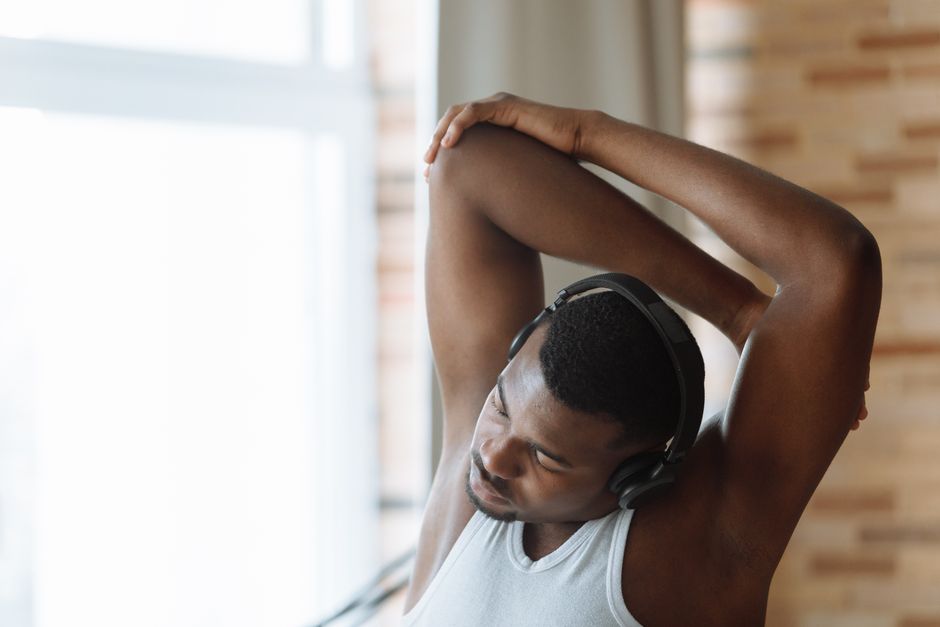
Yes, headphones can cause tinnitus, but not in the way most people assume. The headphones themselves are not the problem. The problem is the volume and the duration of exposure. When you listen at high volumes for extended periods, you damage the tiny hair cells in your inner ear. Once those cells are damaged, they do not grow back. That damage can produce the phantom ringing, buzzing, or hissing known as tinnitus.
What Exactly Happens Inside Your Ear
Sound travels into your ear canal and vibrates your eardrum. Those vibrations move three tiny bones in your middle ear. The last bone pushes against the cochlea, a fluid-filled structure in your inner ear. Inside the cochlea, thousands of microscopic hair cells bend with the fluid movement. That bending sends electrical signals to your brain, which interprets them as sound.
Loud sound bends those hair cells too forcefully. Some of them break or die. This is called noise-induced hearing loss. The damage is permanent because human hair cells in the cochlea cannot regenerate.
When hair cells are damaged, your brain receives an incomplete signal. Many researchers believe the brain compensates by turning up its internal “volume” to fill in the missing input. That amplified internal activity is what you perceive as tinnitus.
So the chain is clear: loud volume through headphones damages hair cells. Damaged hair cells lead to hearing loss and often tinnitus.
Can Headphones Cause Tinnitus or Only Make It Worse?
Both. Headphones can cause tinnitus in someone who never had it. They can also make existing tinnitus louder or more frequent.
If you already have tinnitus from another cause — such as age-related hearing loss, ear injury, or certain medications — loud headphone use adds more damage on top of the existing problem. The new damage does not cancel out the old. It compounds it.
Some people notice temporary tinnitus after a loud listening session. This is called a temporary threshold shift. Your ears may feel muffled, or you may hear ringing for a few hours. This is a warning sign. It means damage has occurred. If you keep exposing your ears to loud volume, the temporary ringing can become permanent.
Treat temporary ringing after loud headphone use as a red flag. It is your ear telling you the volume was too high.
What Volume Is Actually Safe for Headphone Use
Volume is measured in decibels. The scale is not linear. Each increase of 10 decibels represents a tenfold increase in sound intensity. That means 90 decibels is not slightly louder than 80 decibels. It is ten times more intense.
Here are the reference points that matter:
- Normal conversation: about 60 decibels
- City traffic inside a car: about 80 decibels
- Motorcycle engine: about 95 decibels
- Concert or sporting event: 100 to 110 decibels
Hearing damage can begin with prolonged exposure to sounds at 85 decibels or higher. The louder the sound, the less time it takes to cause harm.
Most smartphones and portable music players can reach 100 to 110 decibels at maximum volume. That is loud enough to cause damage in a matter of minutes.
The widely taught guideline is the 60/60 rule: listen at no more than 60 percent of maximum volume for no more than 60 minutes at a time. After 60 minutes, give your ears a break. This is a practical rule of thumb, not a scientific threshold. But it is a reasonable way to protect your hearing.
If someone next to you can hear your music through your headphones, your volume is too high. If you cannot hear someone speaking at normal volume while your music plays, your volume is too high.





Do Noise-Canceling Headphones Protect Your Hearing?
Noise-canceling headphones do not directly protect your ears from loud sound. What they do is reduce background noise. That matters for a practical reason.
When you wear regular headphones on a noisy bus or airplane, you turn the volume up to drown out the background noise. This is called the Lombard effect. You are not just competing with the noise. You are cranking your music well past safe levels without realizing it.
Noise-canceling headphones reduce the ambient noise. You can hear your music clearly at a much lower volume. In that sense, they help prevent hearing damage indirectly.
But noise-canceling headphones can still produce dangerous volume levels. The noise cancellation does not cap the output. You can still turn them up loud enough to damage your ears.
There is also a lesser-known concern. Some people report a feeling of ear pressure or dizziness with noise-canceling headphones. This is not tinnitus, and it is not hearing damage. It is related to the way active noise cancellation processes sound. The sensation typically fades with use. But if you experience persistent discomfort, stop using them and consult a clinician.
Do Earbuds Damage Hearing More Than Over-Ear Headphones?
Earbuds and over-ear headphones can both cause hearing damage. The difference is not the type of headphone. It is how you use them.
Earbuds sit closer to your eardrum than over-ear headphones. Some experts believe this means the same volume setting produces a slightly louder sound at the eardrum with earbuds. The difference is small, but it is real.
The bigger issue with earbuds is practical. Many people use earbuds with their phones in loud environments. They crank the volume to compensate. Over-ear headphones tend to block more ambient noise passively, so users may not need to turn the volume as high.
The type of headphone matters less than the listening habits. A person who listens at safe volumes with earbuds will have healthier ears than someone who blasts over-ear headphones at maximum volume.
How to Know If Headphones Have Already Caused Damage
Hearing damage from headphones builds slowly. You rarely notice it in the moment. By the time you realize something is wrong, the damage is already done.
Signs that headphones may have caused damage include:
- Ringing, buzzing, or hissing in your ears after listening
- Muffled hearing that lasts for hours after a listening session
- Difficulty understanding speech in noisy environments
- Needing to turn the volume higher than you used to
- Feeling like people around you are mumbling
If you experience any of these signs regularly, see an audiologist or an ear, nose, and throat doctor. They can perform a hearing test that measures your hearing thresholds across different frequencies. This test provides a baseline. If your hearing changes in the future, you will know.
Tinnitus itself is a symptom, not a disease. It can have many causes, including earwax blockage, certain medications, high blood pressure, and head or neck injuries. If your tinnitus is sudden, one-sided, or accompanied by dizziness, seek medical attention promptly.
Can Tinnitus From Headphones Be Reversed?
No treatment currently restores damaged hair cells in the human inner ear. Once they are gone, they are gone.
That does not mean tinnitus is hopeless. Many people find that their tinnitus becomes less bothersome over time, even if the sound itself does not disappear. This is called habituation. Your brain gradually learns to filter out the phantom sound, much like you stop noticing the hum of a refrigerator after a few minutes.
For people whose tinnitus is distressing, several management strategies exist. Cognitive behavioral therapy helps change the emotional response to tinnitus. Sound therapy uses background noise to mask the phantom sound. Hearing aids can help if hearing loss is present, because amplifying external sound can reduce the brain’s need to compensate.
Some clinicians recommend avoiding complete silence, as it makes tinnitus more noticeable. Soft background music or a white noise machine at low volume can help you sleep.
Be wary of any product that claims to “cure” tinnitus. No cure currently exists. Some supplements and devices make this claim without evidence. No large clinical trial has confirmed that any supplement reverses tinnitus. If a product sounds too good to be true, it probably is.
How to Protect Your Hearing Going Forward
Protecting your hearing is straightforward, but it requires consistent habits.
Keep your headphone volume at or below 60 percent of maximum. If your device has a volume warning, do not override it. Take a 5-minute break every hour of listening. Give your ears time to recover.
Use noise-canceling headphones in loud environments instead of cranking the volume. If you attend concerts or use power tools, wear earplugs. The same hair cells that protect your hearing from headphones also protect against all other loud noise sources.
Get your hearing checked regularly, especially if you are over 50 or have a history of loud noise exposure. A baseline hearing test gives you a reference point for future comparison.
Tinnitus is not inevitable. Many people use headphones daily for years without developing it. The difference is volume control. Your ears are not designed to handle maximum volume for extended periods. Treat them with the same care you treat the rest of your body.
Frequently Asked Questions
Can headphones cause permanent tinnitus?
Yes. Loud headphone use can permanently damage the hair cells in your inner ear, and this damage can produce permanent tinnitus. The ringing may fade or become less noticeable over time, but the underlying hearing damage does not repair itself.
How long does tinnitus last after using headphones?
Temporary tinnitus after loud headphone use can last from a few minutes to several hours. If the ringing lasts more than 24 hours or happens frequently, you should see a doctor, as this may indicate permanent damage.
Is it safe to sleep with headphones on?
Sleeping with headphones on is generally safe if the volume is low, but it is not recommended. If you fall asleep with music playing at high volume, you can expose your ears to hours of damaging sound without realizing it.
Can low volume headphones still cause tinnitus?
Low volume is unlikely to cause tinnitus on its own. Tinnitus from headphones is typically caused by prolonged exposure to sounds at or above 85 decibels. Listening at low volume for reasonable periods is generally safe for your hearing.
