

Yes, a cold can raise your blood pressure, and the effect is usually temporary. The illness itself, along with common cold medications, can cause a noticeable spike in your readings. This is a normal stress response from your body fighting off an infection, and for most people, blood pressure returns to baseline once the cold resolves.
Why Does a Cold Affect Your Blood Pressure?
When you catch a cold, your body activates its immune system to fight the virus. This natural defense mechanism triggers inflammation and stress responses throughout your body. Your body releases stress hormones like cortisol and adrenaline to help you cope with the illness.
These hormones cause your blood vessels to narrow. Narrower blood vessels mean your heart has to work harder to pump blood through your body. That extra effort raises your blood pressure.
Fever, which sometimes accompanies a cold, can also raise your heart rate. A faster heart rate means more work for your cardiovascular system.
Dehydration is another factor. Colds often reduce your appetite and fluid intake. When you are dehydrated, your blood volume drops, and your body compensates by constricting blood vessels to maintain blood flow to vital organs. This raises blood pressure.
How Much Can a Cold Raise Blood Pressure?
The exact increase varies from person to person. Some people may see a modest rise of a few points. Others may see a more significant jump, especially if they already have high blood pressure.
Research suggests that acute infections like a cold can cause a temporary elevation in blood pressure. The stress of the illness is the primary driver. Once your immune system clears the virus and your symptoms subside, your blood pressure should gradually return to its normal level.
If your blood pressure was well controlled before the cold, you will likely see it return to that range within a few days to a week after your symptoms improve.
Cold Medications That Can Raise Blood Pressure
Over-the-counter cold remedies are a major culprit in blood pressure spikes. Many contain ingredients that directly constrict blood vessels. This is how they relieve nasal congestion, but it also raises blood pressure.
Here is what to look for:
- Decongestants: Ingredients like pseudoephedrine and phenylephrine narrow blood vessels to reduce nasal swelling. This same action raises blood pressure.
- NSAIDs: Non-steroidal anti-inflammatory drugs like ibuprofen and naproxen are common in cold medicines for fever and body aches. They can cause fluid retention and interfere with blood pressure medications.
- Caffeine: Some cold products include caffeine to combat fatigue. Caffeine is a stimulant that can temporarily raise blood pressure.
If you have high blood pressure, check the label of any cold medicine. Look for products that do not contain decongestants. Plain pain relievers like acetaminophen are generally considered safer for blood pressure than NSAIDs, but you should still confirm with your pharmacist or doctor.

Can Having a Cold Raise Your Blood Pressure Long-Term?
A single cold does not cause permanent high blood pressure. The elevation is a temporary response to infection and medication.
However, frequent or severe infections can be a concern. Some research has explored connections between repeated infections and cardiovascular health. The evidence here is not strong enough to say that colds cause chronic hypertension.
Chronic high blood pressure develops over years and is driven by factors like diet, weight, physical activity, genetics, and stress. A cold is an acute event. It stresses your system temporarily but does not permanently reset your blood pressure baseline.
When to Check Your Blood Pressure During a Cold
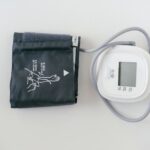
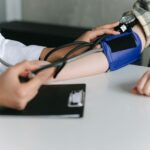
If you monitor your blood pressure at home, you might see higher readings while you are sick. This is expected. Do not panic about a single high reading during an illness.
Wait until you are fully recovered before drawing conclusions about your blood pressure. A reading taken while you are sick, stressed, or in pain is not a reliable indicator of your usual blood pressure.
If you take blood pressure medication, do not stop taking it because you are sick. Continue your medication as prescribed unless your doctor tells you otherwise. Stopping suddenly can cause a dangerous spike in blood pressure.
Safer Ways to Manage Cold Symptoms
You can manage cold symptoms without medications that raise blood pressure. These approaches are safe and effective for most people.
- Rest: Your body needs energy to fight the virus. Rest reduces physical stress on your heart.
- Hydration: Drink water, broth, or herbal tea to stay hydrated. This helps maintain normal blood volume.
- Saline nasal spray: This can relieve congestion without affecting blood pressure.
- Honey: A spoonful of honey can soothe a sore throat and cough. Do not give honey to children under one year old.
- Humidifier: Moist air can ease congestion and coughing.
If you need pain or fever relief, acetaminophen is generally the preferred option for people with high blood pressure. Always read labels carefully and ask a pharmacist if you are unsure about interactions with your current medications.
When to See a Doctor
Most colds resolve on their own within 7 to 10 days. You should contact your doctor if you have high blood pressure and experience any of the following:
- Blood pressure that stays very high for several days after your cold symptoms improve
- Severe headache, chest pain, or shortness of breath
- Fever lasting more than a few days
- Symptoms that get worse instead of better
These could be signs of complications or a more serious illness. Do not ignore them.
If you are unsure whether a cold medication is safe for you, ask your pharmacist. They can review your blood pressure history and current medications to help you choose a safe option.
The Bottom Line on Colds and Blood Pressure
A cold can temporarily raise your blood pressure through the stress of infection and the effects of certain medications. This rise is usually short-lived and returns to normal once you recover.
If you have high blood pressure, be cautious with decongestants and NSAIDs. Stay hydrated, rest, and monitor your symptoms. Your regular blood pressure pattern will return once the cold passes.
Frequently Asked Questions
How long does blood pressure stay elevated after a cold?
Blood pressure usually returns to normal within a few days to a week after cold symptoms resolve. If it stays elevated longer, contact your doctor.
Can I take cold medicine if I have high blood pressure?
Some cold medicines are safe, but avoid products containing decongestants like pseudoephedrine. Ask your pharmacist to help you choose a blood-pressure-friendly option.
Does a stuffy nose alone raise blood pressure?
Nasal congestion itself does not directly raise blood pressure. The rise comes from the body’s immune stress response and from decongestant medications.
Should I stop my blood pressure medication when I have a cold?
No, continue taking your blood pressure medication as prescribed. Stopping suddenly can cause a dangerous spike in blood pressure.
