
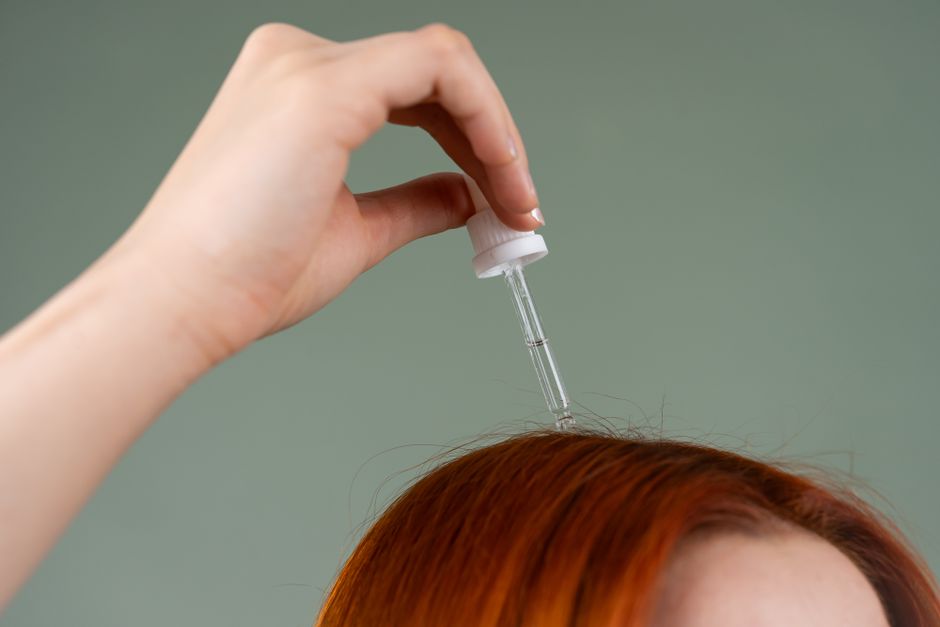
Hair colour itself does not cause hair loss. The pigment in your hair — whether natural or from a bottle — has no direct effect on how much hair you grow or keep. What causes hair loss is damage to the hair follicle, the structure beneath the scalp where each hair is made. Dye and bleach sit on the hair shaft, which is already dead tissue. They do not reach the follicle unless something goes wrong.
That said, hair colouring is not completely without risk. Some people do experience hair loss or breakage after colouring. The reasons are specific, and understanding them helps you tell the difference between a cosmetic problem and a medical one.
Can Hair Colour Cause Hair Loss?
No. Hair colour does not reach the living part of the hair. The follicle sits below the skin surface, and the chemicals in dye and bleach act on the hair shaft above it. The shaft is made of keratin, a protein, and it is not alive. Once a hair emerges from the scalp, it cannot be repaired or harmed at the cellular level.
What colouring can do is damage the shaft so badly that it breaks. This is called hair breakage, not hair loss. The distinction matters. Breakage means the hair snaps off partway down its length. Hair loss means the follicle has stopped producing hair or the hair has fallen out at the root. These are different problems with different causes and different solutions.
There is one exception worth knowing. A severe allergic reaction to hair dye — particularly to a chemical called paraphenylenediamine, or PPD — can cause inflammation around the follicle. In rare cases, this inflammation can lead to temporary or permanent hair loss. This is a reaction to the dye, not the colour itself, and it is uncommon.
What Is the Difference Between Hair Breakage and Hair Loss?
Breakage happens along the hair shaft. Loss happens at the root.
If you run your fingers through your hair and see short, snapped strands, that is breakage. If you see full-length hairs with a small white bulb at one end, that is shedding from the follicle. The bulb is the root, and its presence means the hair came out the way it was supposed to.
Breakage from colouring usually shows up as:
- Split ends that travel up the shaft
- Hair that feels dry, brittle, or straw-like
- Short pieces in your brush or on your pillow
- Thinning at the ends rather than the scalp
Hair loss from a medical cause looks different. It tends to show up as:
- Thinning at the part or crown
- A widening part line
- Patches of missing hair
- Full-length hairs falling out in larger amounts than usual
If your scalp is visible and your hair is shedding from the root, colouring is probably not the cause. Something else is going on.
How Does Hair Dye Actually Work?
Permanent hair dye uses two main steps. First, a chemical agent — usually ammonia or a similar alkaline compound — lifts the outer layer of the hair shaft, called the cuticle. This lets the colour molecules inside. Second, a developer, which contains hydrogen peroxide, lightens the natural pigment so the new colour can show.
This process is genuinely damaging to the hair shaft. Lifting the cuticle and bleaching out natural pigment weakens the protein structure. Do it enough times, and the hair becomes fragile. But the damage stays on the shaft. It does not travel down into the follicle.
Semi-permanent and demi-permanent dyes work differently. They use less peroxide or none at all, and they do not lift the cuticle as aggressively. They cause less damage. Bleach, on the other hand, causes the most. Going from dark brown to platinum blonde requires multiple rounds of bleaching, and each round weakens the hair further.
Why Do Some People Lose Hair After Colouring?
Several things can happen after colouring that look like hair loss but are not caused by the colour itself.
Allergic reaction to PPD
PPD is found in most permanent hair dyes. It is a known skin sensitiser, meaning repeated exposure can trigger an allergic response even if you never reacted before. Symptoms include redness, swelling, itching, and sometimes blistering along the scalp and hairline. In serious cases, the inflammation can affect the follicle and cause hair to shed. This is rare but documented.
If you develop a reaction, stop using the product and see a doctor. Do not colour again until you know what caused it.
Chemical burns from bleach
Bleach left on too long, or applied to a scalp that already has broken skin, can cause a chemical burn. A burn can damage the follicle and lead to scarring. Scarring alopecia is permanent because scar tissue replaces the follicle. This is uncommon with proper application but does happen, especially with at-home bleaching kits.
Traction from tight styling
Many people colour and style their hair at the same time. Tight braids, weaves, or ponytails pull on the follicle and can cause traction alopecia over time. The colouring gets blamed, but the pulling is the real cause.
An underlying condition that was already there
Hair loss often has a slow onset. You might not notice thinning until something draws your attention to your hair — like a colour appointment. The timing makes it look like the dye caused it, but the process was already underway.
What Conditions Actually Cause Hair Loss?
The most common causes of hair loss have nothing to do with hair colour.
Androgenetic alopecia is the most common form. It is genetic and affects both men and women, though it typically looks different in each. In men, it shows as a receding hairline and thinning at the crown. In women, it shows as a widening part and overall thinning.
Telogen effluvium is a temporary shedding condition. It happens when a stressor pushes a large number of follicles into the resting phase at the same time. Common triggers include illness, surgery, major weight loss, childbirth, and severe emotional stress. The shedding usually starts a few months after the trigger and resolves on its own.
Alopecia areata is an autoimmune condition. The immune system attacks the follicle, causing round patches of hair loss. It can affect any hair on the body.
Thyroid disorders can cause diffuse thinning. Both an underactive and an overactive thyroid can affect hair growth.
Iron deficiency is a common and often overlooked cause, particularly in women. Low iron stores can disrupt the hair growth cycle.
Medications can also play a role. Some drugs used for blood pressure, depression, and other conditions list hair loss as a side effect.
If you are losing hair from the root, a doctor can help you figure out why. A blood test can check thyroid function and iron levels. A scalp exam can identify patterns that point to a specific cause.
How Can You Colour Your Hair More Safely?
You cannot make colouring risk-free, but you can reduce the chance of damage.
Patch test before every colour appointment, even if you have used the same product for years. Allergies to PPD can develop at any time. Apply a small amount of dye behind your ear or on your inner elbow and wait 48 hours. If you see redness, swelling, or itching, do not use the product.
Tell your colourist if your scalp is irritated, broken, or sunburned. Dye should not be applied to damaged skin.
Space out colour appointments. Giving your hair time to recover between treatments reduces cumulative damage.
Consider less aggressive options. Semi-permanent dyes and deposit-only colours cause less shaft damage than permanent dye or bleach. They will not lighten your hair, but they can add tone or cover grey.
Deep condition between appointments. This does not repair the hair, but it can improve how it feels and reduce breakage.
If you notice shedding from the root after colouring, see a doctor. Do not assume the dye is the cause. Get it checked.
When Should You See a Doctor About Hair Loss?
See a doctor if you are losing hair from the root, if you notice patches of missing hair, or if your scalp is visible where it was not before. These are signs of a medical issue, not a cosmetic one.
Also see a doctor if you have a reaction to hair dye that includes swelling, blistering, or widespread redness. A severe allergic reaction needs medical attention.
Hair loss from breakage is frustrating but not dangerous. Hair loss from the root can point to a condition that needs treatment. The two are not the same, and they should not be treated the same way.
Frequently Asked Questions
Can dyeing your hair make it fall out?
No. Dye does not reach the follicle, so it cannot cause hair to fall out from the root. It can weaken the hair shaft and cause breakage, which looks like thinning but is a different problem.
Can bleach cause permanent hair loss?
Bleach can cause permanent loss only if it burns the scalp badly enough to scar the follicle. This is uncommon with proper application but is a known risk, especially with at-home bleaching.
Why is my hair falling out after colouring?
If hair is coming out with a white bulb at the root, the colour is probably not the cause. Shedding from the root usually points to a medical issue like telogen effluvium, thyroid problems, or iron deficiency.
Is PPD in hair dye dangerous?
PPD is a known skin sensitiser and can trigger allergic reactions, including rare cases of hair loss from scalp inflammation. Patch testing before every use is the standard way to check for a reaction.
