
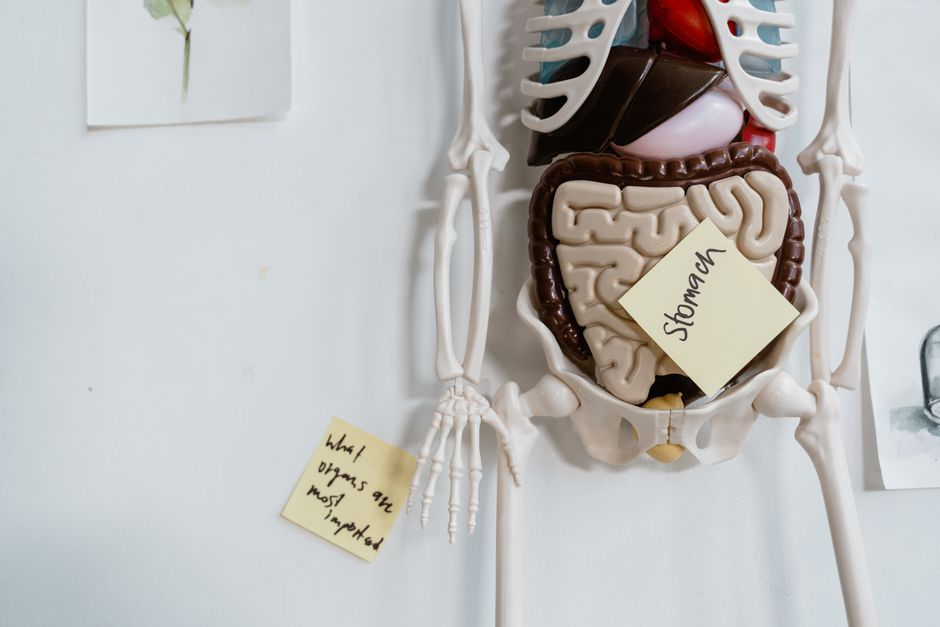
Yes, guys can absolutely get bloated. Bloating is not a female-only issue. It is a common digestive problem that affects men just as often. The feeling of a tight, full, or swollen belly after eating happens to many men. This article explains what causes bloating in men, what the research actually says, and what you can do about it. No hype. Just facts.
What Actually Causes Bloating in Men?
Bloating happens when your gastrointestinal tract fills with gas or fluid. For men, the causes are surprisingly similar to what women experience. The difference is that men often ignore it or blame something else.
Swallowing air while eating too fast is a major cause. Carbonated drinks also introduce gas directly into your digestive system. When that gas gets trapped, your stomach feels tight and distended.
Food intolerances are another common culprit. Many men have trouble digesting lactose, fructose, or certain fibers. When your body cannot break these down properly, bacteria in your gut ferment them. This process produces gas and causes bloating.
Constipation is a huge factor for men. If you are not having regular bowel movements, waste builds up in your colon. This creates pressure and a visibly swollen belly. The National Institute of Diabetes and Digestive and Kidney Diseases reports that about 16% of American adults experience chronic constipation. Men are not excluded from this statistic.
Do Guys Get Bloated More Than Women Think?
This is a common question because bloating is often associated with menstrual cycles. Men do not have periods, so some people assume bloating is rare for them. That assumption is wrong.
Research published in the American Journal of Gastroenterology found that bloating affects men and women at similar rates when you account for hormone-related bloating in women. The study showed that about 10-15% of men report regular bloating symptoms. That is millions of men.
The difference is not in how often it happens but in how it is reported. Men are less likely to talk about digestive issues with their doctor. They may dismiss bloating as just feeling “full” or blame it on a big meal. This underreporting creates the false idea that bloating is mostly a female problem.
Men also tend to store fat differently than women. Belly fat in men can mask bloating or make it look like normal weight gain. A man might not realize his distended stomach is actually trapped gas, not extra pounds.
Can Guys Get Bloated From Food Allergies or Sensitivities?
Yes, food sensitivities are a primary cause of bloating in men. The most common trigger is lactose. About 65% of the global population has reduced lactase activity after childhood. That means many men cannot properly digest milk sugar.
Wheat and gluten sensitivity also cause bloating. This is different from celiac disease, which is an autoimmune condition. Non-celiac gluten sensitivity affects an estimated 6% of the population, according to a review in the journal Nutrients. Bloating is one of the most reported symptoms.
FODMAPs are another group of foods that commonly cause bloating. FODMAP stands for fermentable oligosaccharides, disaccharides, monosaccharides, and polyols. These are short-chain carbohydrates that some people cannot absorb well. Foods like onions, garlic, beans, apples, and wheat are high in FODMAPs. When these reach your large intestine, gut bacteria ferment them and produce gas.
Many men eat high-FODMAP foods without realizing it. A typical lunch of a sandwich with wheat bread, an apple, and a bean soup is a FODMAP bomb. If you are sensitive to these foods, that meal will almost certainly cause bloating.





What Does Research on Guys Get Bloated Show?
The research on male bloating is less extensive than on female bloating, but the findings are clear. Bloating in men is real and has identifiable causes.
A 2020 study in Clinical Gastroenterology and Hepatology looked at over 2,000 adults with functional gastrointestinal disorders. The researchers found that men reported bloating just as often as women when they had conditions like irritable bowel syndrome (IBS) or functional dyspepsia.
Another study in the journal Gut and Liver examined the relationship between gut bacteria and bloating. The researchers found that men with bloating had different gut microbiome compositions than men without bloating. Specifically, they had lower levels of beneficial bacteria like Bifidobacterium and Lactobacillus. This suggests that gut health plays a direct role in bloating for men.
One surprising finding from research is that men often experience bloating differently than women. Women tend to report bloating that fluctuates with their menstrual cycle. Men report bloating that is more consistently triggered by diet and stress. This difference matters because it changes what treatment approaches work best.
What Actually Helps Reduce Bloating in Men?
There is no magic pill. But there are evidence-based strategies that work. The key is identifying your specific cause.
Dietary changes are the most effective approach. A low-FODMAP diet is one of the best-studied interventions for bloating. Research from Monash University, where the diet was developed, shows that about 70% of people with IBS see significant improvement in bloating when they follow a low-FODMAP diet. This applies to men too.
Here are some practical steps that have solid evidence behind them:
- Eat slowly and chew thoroughly. This reduces the amount of air you swallow. Aim for 20 chews per bite.
- Avoid carbonated drinks. The bubbles introduce gas directly into your stomach. Swap soda for water or herbal tea.
- Check your lactose tolerance. Try cutting out dairy for two weeks and see if bloating improves. If it does, you may have lactose intolerance.
- Increase soluble fiber gradually. Foods like oats, bananas, and psyllium husk can help regulate bowel movements. But add them slowly to avoid making bloating worse at first.
- Stay hydrated. Dehydration can worsen constipation and bloating. Aim for at least 8 cups of water per day.
- Exercise regularly. Physical activity helps move gas through your digestive tract. Even a 15-minute walk after meals can help.
Probiotics may also help, but the evidence is mixed. Some studies show that specific strains like Bifidobacterium infantis can reduce bloating. Other studies show no benefit. The quality of probiotic supplements varies widely. If you try probiotics, choose a product from a reputable brand that lists specific strains and colony-forming units.
When Should a Man See a Doctor for Bloating?
Most bloating is harmless and related to diet. But some cases require medical attention. You should see a doctor if bloating is persistent, severe, or accompanied by other symptoms.
Red flags include unexplained weight loss, blood in your stool, fever, severe abdominal pain, or vomiting. These symptoms could indicate a more serious condition like inflammatory bowel disease, celiac disease, or even colon cancer.
Men over 50 should be especially cautious. The American Cancer Society recommends regular colon cancer screening starting at age 45 for average-risk adults. Bloating can be a symptom of colon cancer, though it is rarely the only symptom. If bloating comes with changes in bowel habits or blood in your stool, do not ignore it.
Doctors can perform simple tests to identify the cause of bloating. These include breath tests for lactose intolerance or small intestinal bacterial overgrowth (SIBO), stool tests for infections, and blood tests for celiac disease. A gastroenterologist can help you figure out what is going on.
| Common Cause | Symptoms | What Helps |
|---|---|---|
| Lactose intolerance | Bloating, gas, diarrhea after dairy | Avoid dairy or use lactase supplements |
| Constipation | Infrequent bowel movements, hard stool, bloating | Increase fiber, water, and exercise |
| IBS | Bloating, abdominal pain, irregular bowel habits | Low-FODMAP diet, stress management |
| SIBO | Bloating after meals, nausea, fatigue | Antibiotics prescribed by a doctor |
| Gut dysbiosis | Bloating, gas, brain fog | Probiotics, prebiotic fiber |
Common Misconceptions About Male Bloating
There are several myths about bloating in men that need to be cleared up. One of the biggest is that bloating only happens to women. As we have covered, that is simply not true. Men experience bloating at similar rates, they just do not talk about it as much.
Another myth is that bloating is always caused by eating too much. While overeating can cause temporary fullness, chronic bloating is usually related to how your body processes food, not how much you eat. A man can eat a small meal of trigger foods and still feel bloated.
Some people believe that drinking more water will flush out bloating. This is only partially true. Water helps with constipation-related bloating, but it does not help with gas-related bloating. In fact, drinking too much water too fast can actually cause bloating by stretching your stomach.
There is also a misconception that bloating is just a normal part of aging for men. While digestion can slow down as you get older, bloating is not something you have to live with. Identifying the cause and making targeted changes can almost always reduce symptoms.
Frequently Asked Questions
Can guys get bloated from stress?
Yes, stress can cause bloating in men. Stress affects the gut-brain connection and can slow down digestion or alter gut bacteria, leading to gas buildup.
Is bloating a sign of something serious in men?
Most bloating is not serious, but persistent bloating with weight loss, blood in stool, or severe pain should be checked by a doctor.
How long does bloating usually last in men?
Bloating from a specific meal usually resolves within a few hours. Chronic bloating that lasts days or weeks may indicate an underlying digestive issue.
Can exercise help reduce bloating in men?
Yes, gentle exercise like walking or yoga can help move gas through the digestive tract and reduce bloating.
