
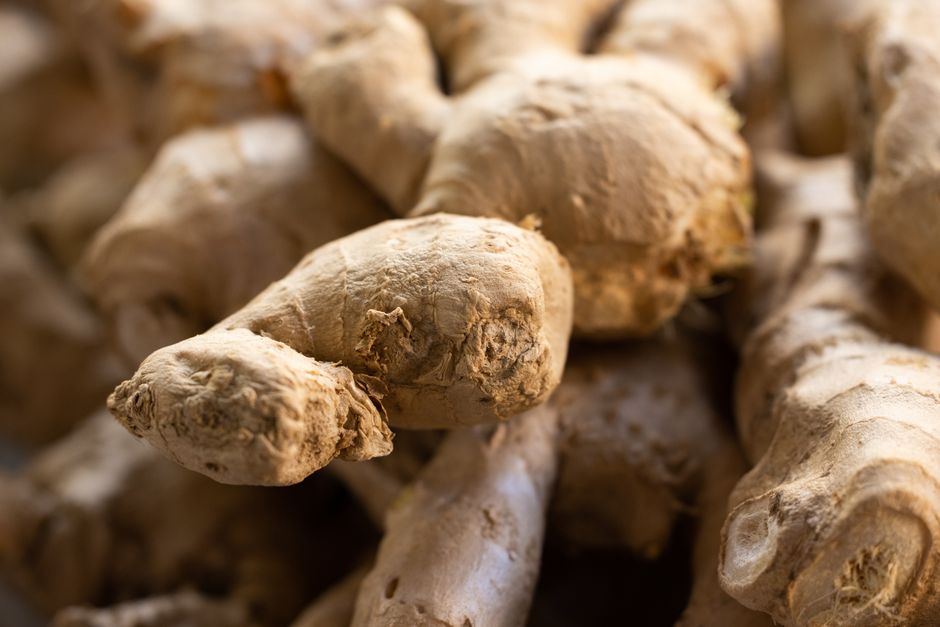
If you have searched for ways to improve sexual stamina, you have likely seen claims that ginger is a natural solution. The short answer is that ginger may have a modest, indirect effect on blood flow and energy, but no clinical evidence confirms it can directly help you last longer in bed. The claims are largely based on traditional use and biological reasoning, not solid human research.
What Does the Research Actually Say About Ginger and Stamina?
Research on ginger and sexual performance is thin. Most studies that exist are small, conducted on animals, or focus on general health markers rather than bedroom endurance.
Some studies suggest ginger can improve blood circulation. Better circulation matters for erectile function, but lasting longer is a different issue entirely. Premature ejaculation and erectile dysfunction are separate conditions with separate causes. Ginger does not appear to influence the neurological pathways that control ejaculation timing.
The evidence for ginger improving athletic stamina is also mixed. Some research indicates it may reduce muscle soreness after exercise, but that is not the same as improving endurance during a specific physical activity. No reliable study has measured how long a person lasts during intercourse after taking ginger.
How Could Ginger Affect Blood Flow and Arousal?
Ginger contains compounds called gingerols. These compounds have been shown to relax blood vessels in some laboratory studies. Relaxed blood vessels allow more blood to flow through them.
For men, adequate blood flow is essential for achieving and maintaining an erection. If ginger genuinely improves circulation, it could theoretically support erectile function. But having a firmer erection does not mean you will last longer. Ejaculation control is governed by the nervous system, not by blood flow alone.
For women, improved blood flow could increase genital sensitivity and arousal. Again, this is a theoretical benefit based on ginger’s known effects on circulation. It has not been demonstrated in clinical trials.
There is also the placebo effect. If you believe ginger will help you perform better, you may feel less anxious. Reduced anxiety can genuinely improve sexual performance. That does not mean the ginger itself is doing the work.
Can Ginger Help with Energy or Fatigue?
Some people take ginger to fight fatigue. The reasoning is that if you have more energy, you might perform better sexually.
Ginger does have mild anti-inflammatory properties. Chronic inflammation can contribute to fatigue and low energy. Reducing inflammation could theoretically improve overall vitality. But the effect is likely small and indirect.
There is no strong evidence that ginger acts as a stimulant. It does not contain caffeine or similar compounds. If you are exhausted, ginger is unlikely to give you the energy boost you need for a long sexual session. Sleep, nutrition, and overall cardiovascular health play far larger roles in stamina.





What Actually Determines How Long You Last in Bed?
Several factors control ejaculation timing. Understanding these helps clarify why ginger is unlikely to be a direct solution.
Your nervous system regulates the ejaculation reflex. Certain neurotransmitters, especially serotonin, play a central role in delaying ejaculation. Medications that increase serotonin activity are often used to treat premature ejaculation. Ginger has not been shown to meaningfully affect serotonin levels in the brain.
Psychological factors matter too. Anxiety, stress, and distraction can all shorten the time to ejaculation. Performance anxiety is one of the most common causes of rapid ejaculation. Addressing anxiety through therapy, communication, or relaxation techniques is often more effective than any supplement.
Physical fitness also plays a role. Better cardiovascular health improves endurance in all physical activities, including sex. Regular aerobic exercise strengthens your heart and lungs, which can help you maintain stamina over time.
Pelvic floor muscles are another factor. Strengthening these muscles through exercises like Kegels has been shown to help some men gain better ejaculatory control. This is a well-established technique recommended by many clinicians.
Is Ginger Safe to Try for Sexual Health?
Ginger is generally safe for most people when consumed in food amounts. Culinary doses of ginger are well tolerated.
High-dose supplements can cause side effects. Heartburn, stomach upset, and diarrhea are possible. Ginger can also interact with blood-thinning medications such as warfarin. If you take any prescription medication, talk to your doctor before starting a ginger supplement.
There is no established clinical dose of ginger for sexual performance. No guideline exists because no reliable evidence supports its use for this purpose. If you choose to try it, using it as a spice in food is the safest approach.
What Are the Proven Alternatives for Lasting Longer?
If lasting longer is your goal, several approaches have stronger evidence behind them than ginger.
Behavioral techniques are the first line of defense. The start-stop technique involves pausing stimulation before the point of no return and waiting for the urge to subside before resuming. The squeeze technique involves gently squeezing the base of the penis to reduce arousal. Both methods are widely taught by sex therapists and have helped many men.
Topical numbing creams containing lidocaine or benzocaine can reduce penile sensitivity. These are available over the counter and are applied shortly before intercourse. They work by desensitizing the area, which delays ejaculation.
Selective serotonin reuptake inhibitors, or SSRIs, are prescription medications that can delay ejaculation. Some are specifically approved for premature ejaculation, while others are used off-label. A doctor can discuss whether these are appropriate for you.
Pelvic floor exercises have clinical support. Strengthening these muscles gives you better control over the ejaculation reflex. Many men see improvement after several weeks of consistent practice.
Psychological counseling can help if anxiety is a major factor. Cognitive behavioral therapy and mindfulness-based approaches have shown benefit for men with performance anxiety.
Should You Use Ginger or Skip It?
Ginger is not harmful in normal food amounts. It is a healthy root with anti-inflammatory properties. Including it in your diet is reasonable for general health.
But expecting ginger to solve a premature ejaculation problem is likely to lead to disappointment. No credible evidence supports this specific use. The marketing claims you see online are not backed by clinical trials.
If you are struggling with lasting longer in bed, start with the approaches that have actual research behind them. Behavioral techniques, pelvic floor exercises, and open communication with your partner are all free, safe, and more likely to help.
If premature ejaculation is persistent and distressing, speak with a healthcare provider. They can rule out underlying medical conditions and discuss treatment options that are proven to work. You deserve better than a supplement that cannot deliver what it promises.
Frequently Asked Questions
Does ginger help you last longer in bed?
No clinical evidence confirms that ginger helps you last longer in bed. It may support blood flow and circulation, but ejaculation timing is controlled by the nervous system, which ginger does not directly influence.
How much ginger should I take for sexual stamina?
No clinical guidelines exist for using ginger to improve sexual stamina. Because no reliable evidence supports this use, no safe or effective dose can be recommended.
Can ginger improve erectile function?
Some laboratory research suggests ginger may relax blood vessels and improve circulation, which could theoretically support erections. However, no human trials have confirmed that ginger improves erectile dysfunction.
What is the fastest way to last longer in bed?
Behavioral techniques like the start-stop method and topical numbing creams are the fastest proven approaches. Pelvic floor exercises take several weeks but offer lasting control.
