
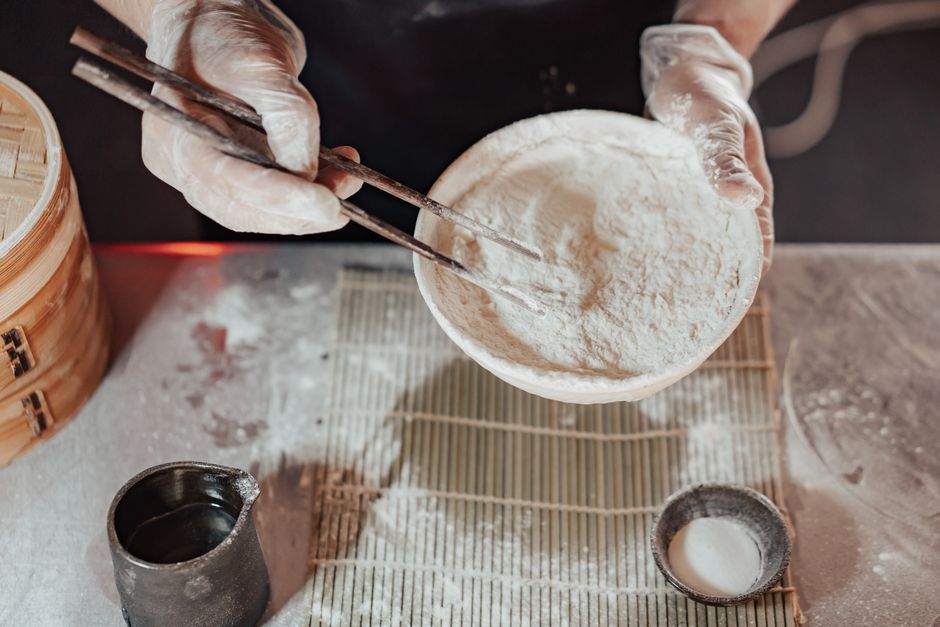
Yes, flour can go bad. It does not spoil the way milk or meat does, but it loses quality and can become unsafe to eat over time. The shelf life depends on the type of flour, how you store it, and whether it is exposed to moisture, heat, or pests. Whole wheat flour goes rancid faster than white flour because it still contains the natural oils from the wheat kernel. Knowing what to look for can save you from baking with flour that has gone off.
How Long Does Flour Actually Last?
Flour does not have a single expiration date that applies to every bag. The type of flour makes the biggest difference. White flour, such as all-purpose or bread flour, lasts the longest because the bran and germ have been removed. Those parts contain oils that go rancid.
All-purpose white flour typically stays fresh for 6 to 8 months past the printed date if stored properly. Whole wheat flour lasts about 1 to 3 months past that date because it still contains the wheat germ. Nut flours, like almond flour, spoil even faster because nuts are high in oil.
Gluten-free flours vary. Rice flour and oat flour can go rancid quickly. Some gluten-free blends contain starches that absorb moisture and clump. If you bake infrequently, buy smaller bags so you use them before they degrade.
Signs Your Flour Has Gone Bad
Your senses are the best tools for checking flour. The first sign is smell. Fresh flour has a neutral, slightly grainy aroma. Rancid flour smells sour, bitter, or like play-dough that has sat too long. Some people describe it as musty or like wet cardboard.
The second sign is taste. If you are unsure about the smell, take a tiny pinch on your tongue. Rancid flour tastes sharp and bitter. Do not use it to bake a full recipe and hope the sugar covers it. The off-flavor will come through.
Look at the flour as well. Fresh flour is uniform in color. If you see grayish spots, clumps, or any discoloration, that is a warning. Clumps can mean moisture got in. Moisture invites mold growth.
Mold is the most serious problem. If you see any fuzzy growth in any color — green, black, white, or pink — throw the entire bag away. Do not scoop out the moldy part and keep the rest. Mold spores spread invisibly through the whole container.
What Happens When Flour Goes Rancid?
Rancidity is a chemical process, not a bacterial one. The oils in the flour react with oxygen in the air. This is called oxidation. Light and heat speed up the reaction. The fats break down into compounds that smell and taste bad.
Eating rancid flour will not make you seriously ill in most cases. The bigger problem is that the flour has lost its quality. Baked goods made with rancid flour taste bad. The texture may also suffer.
Moldy flour is a different story. Some molds produce toxins called mycotoxins. These can cause digestive upset. In rare cases, long-term exposure to certain mycotoxins is linked to more serious health issues. The safest rule is simple: if you see mold, do not risk it.
Flour can also harbor insects. Weevils and other pantry pests can lay eggs in flour at the processing plant. These eggs hatch in your kitchen. If you see small brown bugs, webbing, or tiny moving specks in your flour, discard it.





Does Flour Expire or Does It Just Lose Quality?
Flour has two separate problems: safety and quality. Mold and pests make flour unsafe. Rancidity mostly ruins quality. Both are reasons to throw it out.
Flour does not become toxic simply because time passes. The printed date on the bag is about peak quality, not food safety. A bag of white flour that is two years old and smells fine is probably safe to eat. It will just make denser, less flavorful baked goods.
That said, “probably safe” is not the same as “good to use.” Old flour loses its ability to rise properly. The proteins that form gluten weaken over time. Yeast breads may not rise as well. Cakes may come out flat.
If you are baking something important — a birthday cake, a loaf for a gathering — use fresh flour. The cost of a new bag is not worth a ruined batch.
How to Store Flour So It Lasts Longer
Storage conditions matter more than the date on the bag. Flour needs three things to stay fresh: a cool place, a dry place, and an airtight container.
Transfer flour out of the paper bag it comes in. Paper lets in air and moisture. Use a glass jar, a plastic container with a tight lid, or a heavy-duty resealable bag. Make sure the container is completely dry before you pour in the flour.
Keep flour away from heat sources. Do not store it above the stove or near the dishwasher. A cool pantry or cabinet is ideal. The refrigerator also works for most flours. Cold storage slows down oxidation significantly.
Whole wheat and nut flours benefit the most from refrigeration. They can last months longer in the fridge than in a pantry. Let the flour come to room temperature before using it in recipes. Cold flour can affect how batters and doughs come together.
The freezer is the best option for long-term storage. Flour freezes well for up to a year or more. Put it in a freezer-safe bag, squeeze out the air, and seal it. The cold kills any insect eggs that might be in the flour.
One warning about freezing: when you take flour out, let it warm up completely before opening the container. Otherwise, condensation forms. That moisture can start the mold process you were trying to avoid.
Can You Use Flour Past the Expiration Date?
Yes, in many cases you can. The expiration date on flour is a best-by date, not a safety deadline. The flour may still be perfectly fine for weeks or months after that date.
Use your judgment before baking. Smell the flour first. If it smells clean and neutral, look at it for any signs of moisture or bugs. If it passes both checks, you can use it.
Be more careful with whole wheat and nut flours. Their higher oil content means they go rancid faster. A whole wheat flour that is months past its date is more likely to be bad than an all-purpose flour of the same age.
When in doubt, throw it out. A bag of flour costs a few dollars. The time and ingredients you put into a failed recipe cost more.
Does Organic or Specialty Flour Spoil Faster?
Organic flour does not automatically spoil faster than conventional flour. The difference comes down to processing, not the organic label. Some organic flours are less processed and may retain more of the grain, which shortens shelf life.
Specialty flours require more attention. Almond flour and other nut flours are the most perishable. They should always be stored in the fridge or freezer. Coconut flour is also prone to going rancid because of its fat content.
Freshly milled flour, which is becoming popular, has the shortest shelf life of all. It contains the entire grain, oils included. It is best used within a few weeks. If you buy fresh-milled flour, keep it cold and use it quickly.
Gluten-free flours do not last as long as wheat flour in general. Many are made from rice, which attracts pantry moths. Check gluten-free flour more frequently for signs of pests.
Frequently Asked Questions
Can you get sick from eating old flour?
Rancid flour usually just tastes bad and will not make you seriously ill. Moldy flour can cause digestive upset and should always be thrown away.
What does bad flour smell like?
Bad flour smells sour, musty, or bitter. Fresh flour has almost no smell at all.
Is it safe to use flour with bugs in it?
No. If you see weevils or any other insects in your flour, discard the entire bag immediately.
Does freezing flour keep it fresh?
Yes, freezing flour stops oxidation and kills insect eggs. It can keep flour fresh for up to a year.
