
Yes. Females can donate bone marrow, and they do so every day. Sex is not a barrier to donation. What does differ between females and males is how often they are asked, how they are matched to patients, and a few practical and safety details that are worth understanding before you consider it.
Bone marrow donation is the process of collecting blood-forming stem cells from a donor to give to someone whose own marrow has failed or is diseased. There are two main ways this is done today, and most donors — female and male — now give through a simpler method than the surgical procedure many people picture.
Can Females Donate Bone Marrow?
Females are eligible to donate bone marrow and blood stem cells, and donor registries actively recruit them. The medical criteria for donation are based on health, age, and safety — not on sex.
The main practical difference is that females are somewhat more likely to be ruled out for reasons like low body weight or anemia, because donation places real demands on the body. Registries set minimum weight requirements and screen for anemia, and these criteria can affect female donors more often than male donors.
Age matters more than sex. Most donor programs accept adults roughly between 18 and 40 for registry donation, though upper limits vary by program. Younger donors are generally preferred because outcomes for the patient tend to be better with younger donor cells, and because younger donors recover more predictably.
What Are the Two Ways to Donate Bone Marrow?
There are two collection methods, and understanding the difference clears up a lot of confusion. The term “bone marrow donation” is often used loosely to cover both, even though most donations today do not involve surgery at all.
Peripheral blood stem cell donation
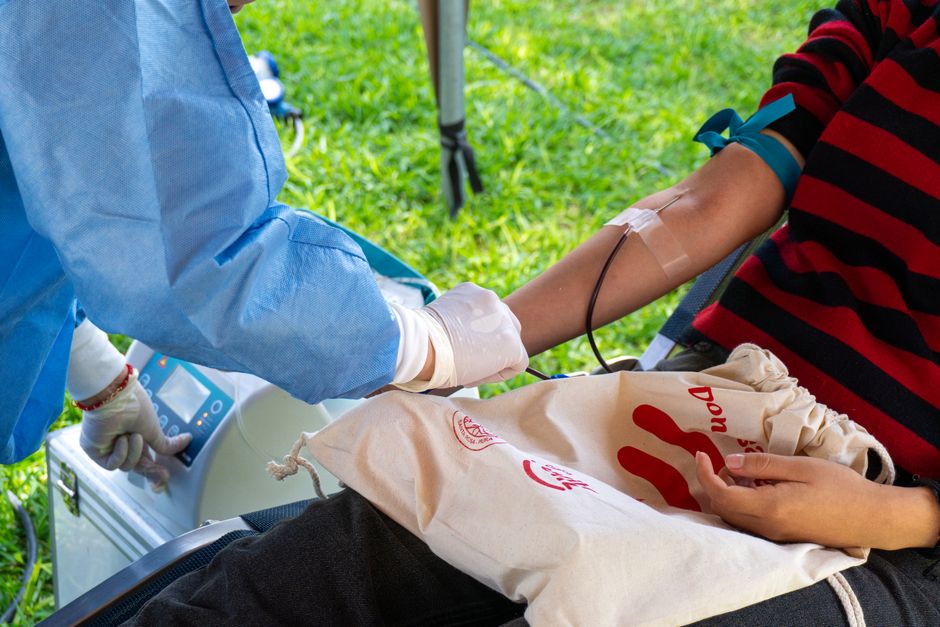
This is now the most common method. For several days before collection, the donor receives injections of a medication called filgrastim, which moves stem cells out of the marrow and into the bloodstream. The cells are then collected through a process called apheresis, which is similar to donating platelets. Blood is drawn from one arm, passed through a machine that separates out the stem cells, and returned through the other arm.
Apheresis usually takes several hours and may be repeated over one or two days. No anesthesia and no surgery are involved.
Traditional bone marrow collection
In this method, marrow is drawn from the back of the pelvic bone using a needle while the donor is under anesthesia. The donor is asleep and feels nothing during the procedure. A small amount of marrow is removed — a fraction of the body’s total marrow — and the body replaces it within a few weeks.
This method is used less often now but remains important for certain patients and certain transplant types. Which method is used depends on what the patient’s transplant team decides is best for that patient, not on the donor’s sex.
Why Are Male Donors Often Preferred for Some Patients?
This is one of the genuinely non-obvious parts of the topic. In some transplant settings, doctors prefer male donors, and this can create the impression that females cannot donate. That is not what it means.
Some research has found that patients receiving stem cells from male donors have somewhat better outcomes in certain situations, particularly for unrelated donor transplants. The reasons are not fully settled, but one factor is that male donors tend to be larger, and a larger donor can provide a higher cell dose, which matters for the patient’s engraftment.
Donor size and cell dose are the practical issue. A smaller donor of either sex may be asked to donate through the traditional marrow method, or may not be the best match for a very large patient, simply because the cell dose may be lower. This is a clinical calculation made by the transplant team, not a rule about sex.
Female donors are matched and used routinely. When a female is the best match for a patient, she is the donor.
What Are the Risks of Donating Bone Marrow for Females?
The short-term risks are real but generally manageable, and they are similar for females and males. The most common side effects come from the filgrastim injections used in peripheral blood stem cell donation.
- Bone pain, especially in the back, hips, and sternum, from the medication stimulating the marrow
- Headache, fatigue, and flu-like feelings during the injection days
- Muscle aches and trouble sleeping
- Bruising or discomfort at the needle sites during apheresis
These effects usually resolve within days after collection stops. For traditional marrow collection, the main risks are those of anesthesia and temporary soreness at the collection site. Serious complications are uncommon but not zero, which is why donors are screened and monitored closely.
One point deserves honesty. Filgrastim has been used in donors for decades, and the safety record is generally reassuring, but long-term follow-up data on healthy donors is limited compared with data on patients who take the drug for medical reasons. Registries continue to track donors over time. If you are considering donation, this is a fair question to raise with the donor program.
There is no evidence that bone marrow donation affects a female’s fertility. The marrow replenishes itself, and the collection does not involve the reproductive organs.
How Does Pregnancy Affect Bone Marrow Donation?
Pregnant women are not eligible to donate. This is a firm exclusion in donor programs, and it applies to both collection methods.
The reasons are practical and safety-focused. Anesthesia and the filgrastim injections have not been established as safe during pregnancy, and the donation process places physical demands on the body that are not appropriate during pregnancy. Donation is typically deferred until after pregnancy and, depending on the program, until a period of time after delivery or breastfeeding has ended.
If you are pregnant and registered as a donor, tell your donor program. They will pause your status. You can usually be reinstated later.
What Should a Female Donor Expect During the Process?
The process starts with a cheek swab or blood sample to join a registry, or with testing if you are donating to a specific relative. If you are identified as a possible match, you go through a health screening, blood tests, and a physical exam.
If you are cleared, the donation itself takes place at a collection center. For peripheral blood stem cell donation, expect several days of injections followed by one or two apheresis sessions. For traditional marrow collection, expect a single procedure under anesthesia and a short recovery.
Most donors return to normal activities within a few days to a couple of weeks, depending on the method and how they feel. The donor program provides guidance on recovery and follows up afterward.
One practical note: female donors who are anemic or have low iron may be asked to address that before donation, since the screening process checks blood counts. This is a safety step, not a disqualification for life.
Does Donating Bone Marrow Hurt?
Discomfort is common, but the experience is usually described as manageable rather than severe. The filgrastim injections cause bone and muscle aching in many donors, and this is often the most uncomfortable part of the process.
During traditional marrow collection, the donor is under anesthesia and feels nothing. Afterward, there is soreness at the collection site for several days. During apheresis, some donors feel tingling or coldness from the blood circulation process, which the collection staff manage.
Most donors say the discomfort was temporary and worth it. That is their report, not a medical guarantee. Your experience may differ, and the donor program can explain what to expect in your specific case.
Frequently Asked Questions
Can a female donate bone marrow to a male?
Yes. Sex matching is not required for bone marrow or stem cell donation, and female-to-male donation happens routinely. The transplant team matches on tissue type, not sex.
What is the age limit for female bone marrow donors?
Most donor registries accept adults roughly between 18 and 40, though upper limits vary by program. Some directed donations to a family member may allow older donors at the transplant team’s discretion.
Can you donate bone marrow if you are anemic?
It depends on the cause and severity of the anemia. Donor programs screen blood counts, and mild iron deficiency may be correctable before donation, while other causes may require further evaluation.
Does bone marrow donation affect menstruation or fertility?
There is no evidence that donation affects fertility, and the collection does not involve reproductive organs. Some donors notice temporary cycle changes around the donation period, but this is not a known lasting effect.
