
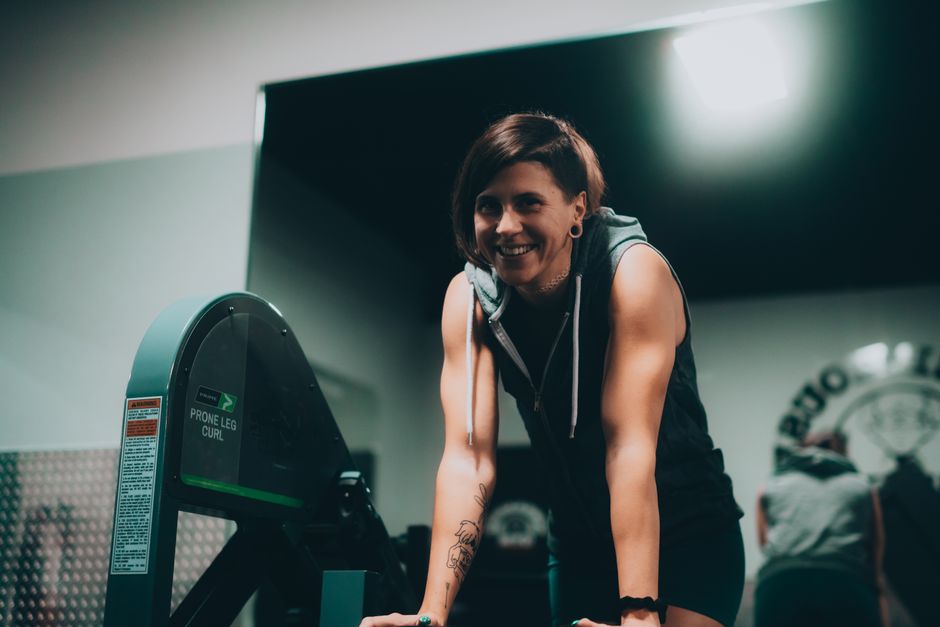
No. Fat cannot turn into muscle. They are completely different tissues with different jobs, different cells, and different ways of storing or using energy. Fat cells store energy, while muscle cells contract to move your body. No amount of exercise or diet changes one type of tissue into the other.
What you can do is lose fat and build muscle at the same time. That is why people sometimes say a body “turned fat into muscle.” The two changes happen side by side, but they are separate processes. The confusion comes from the fact that both can happen together, especially in someone who is new to exercise.
Why Can’t Fat Turn Into Muscle?
Fat and muscle are built from different materials and serve different functions. They do not share a pathway that would let one become the other.
Fat tissue is made of cells called adipocytes. Their main job is to store energy as triglycerides, a type of fat. When you eat more calories than you burn, your body stores the extra energy in these cells. When you need energy, the body breaks that fat down and releases it into the bloodstream to be used by your organs and muscles.
Muscle tissue is made of long protein fibers. These fibers contract when your nervous system signals them, which is how you move, lift, and hold your posture. Muscle is built from amino acids, the building blocks of protein. Your body uses protein from food to repair and grow muscle fibers, especially after resistance training.
Here is the key point. A fat cell cannot become a muscle cell. They come from different lines of stem cells, they contain different proteins, and they carry out different functions. Losing fat and gaining muscle are two separate processes that can happen at the same time, but one does not convert into the other.
Why Do People Say Fat Turns Into Muscle?
People say it because the change can look like a transformation. Someone loses fat, builds muscle, and their body looks firmer and more defined. It is easy to assume one turned into the other.
What actually happens is simpler. Fat is lost from under the skin, and muscle grows underneath it. As the fat layer thins and the muscle gets larger, the shape of the body changes. The body looks tighter and more muscular. But the fat did not become muscle. It was used for energy and left the body as carbon dioxide and water, mostly through breathing and excretion.
Another reason the myth sticks is that new exercisers often see fast changes. Someone who starts lifting weights may lose fat and gain muscle at the same time, especially early on. This is sometimes called body recomposition. It is real, and it can make the “fat into muscle” idea feel true. But the two tissues are still separate.
Can You Lose Fat and Gain Muscle at the Same Time?
Yes, but it is easier for some people than others. The people who do it most easily tend to be new to strength training, carry extra body fat, and eat enough protein.
Losing fat requires a calorie deficit, meaning you burn more energy than you take in. Building muscle usually requires enough energy and protein, plus a training stimulus that challenges your muscles. These two goals can pull in opposite directions, which is why doing both at once is harder than doing one at a time.
When it works, here is what is happening:
- Your body draws on stored fat for energy.
- Your muscles respond to resistance training by repairing and growing.
- Protein in your diet supplies the building blocks for that growth.
For people who are not new to training, building muscle while losing fat is slower and harder. Many experienced lifters find it works better to focus on one goal at a time. Neither approach is wrong. It depends on your goals, your training history, and how your body responds.



What Actually Happens to Fat When You Lose It?
Fat leaves the body through a process that surprises most people. It is not burned off as heat in the way the word “burn” suggests.
When your body needs energy and turns to stored fat, it breaks the fat down in a series of steps. The end products are carbon dioxide and water. The carbon dioxide leaves your body when you breathe out. The water leaves through urine, sweat, and other normal fluid losses.
So when you lose fat, most of it exits through your lungs. This is well established in human physiology. It also explains why you cannot target fat loss to one area just by exercising that area. Doing sit-ups does not burn the fat sitting on your belly. The body pulls fat from wherever it chooses, and that pattern is largely set by genetics and hormones.
How Do You Actually Change Your Body Composition?
Changing body composition means changing the ratio of fat to muscle. The tools that influence this are training, nutrition, and recovery. None of them involve converting one tissue into another.
Strength training signals your muscles to grow. When you lift weights or do other resistance work, you create small amounts of stress in the muscle fibers. Your body repairs them and makes them a little stronger and larger over time. This is the main driver of muscle growth.
Eating enough protein supports that growth. Protein provides the amino acids your body needs to rebuild muscle. Most adults who train can meet their needs through regular meals that include protein sources, though needs go up with training. There is no single number that fits everyone, and needs vary by body size, activity, and goals.
A calorie deficit drives fat loss. If you eat fewer calories than you burn, your body uses stored fat for energy. The size of the deficit affects how fast you lose fat, but a very large deficit can make it harder to build or keep muscle.
Recovery matters more than many people think. Muscle grows during rest, not during the workout itself. Sleep and adequate recovery time between sessions support that process. Skipping recovery can slow progress and raise injury risk.
Does Spot Reduction Work?
No. You cannot choose where your body loses fat by exercising that specific area. This is one of the most persistent myths in fitness.
Doing hundreds of crunches will strengthen your abdominal muscles, but it will not burn the fat covering them. Fat loss happens across the whole body, and the pattern is largely determined by genetics, hormones, and overall energy balance. Where you lose fat first and last is not something you can control through exercise selection.
The idea of spot reduction has been tested in research, and the results do not support it. Training a muscle does not cause the fat above it to disappear. The muscle underneath may get stronger and larger, but the fat layer stays until overall fat loss occurs.
What About People Who Look “Muscular” After Losing Weight?
When someone loses a lot of fat, muscle can become more visible. This is not because fat turned into muscle. It is because the fat layer covering the muscle got thinner, so the muscle shows through more clearly.
This is why two people can weigh the same but look very different. Body composition, meaning how much of your weight is fat versus muscle, matters more for appearance and health than the number on the scale. A person with more muscle and less fat will often look leaner and firmer than someone with the same weight but more fat.
This also explains why the scale can be misleading during body recomposition. If you lose fat and gain muscle at the same time, your weight might barely change even though your body looks different. Tracking how clothes fit, how strong you feel, or measurements can tell you more than weight alone.
Frequently Asked Questions
Can fat turn into muscle if you exercise enough?
No. Fat and muscle are separate tissues, and no amount of exercise converts one into the other. Exercise can help you lose fat and build muscle at the same time, but these are two distinct processes.
Why does it feel like my fat turned into muscle?
Losing fat and gaining muscle at the same time can make your body look firmer and more defined, which feels like a conversion. In reality, the fat was used for energy and the muscle grew separately underneath.
Can you build muscle while losing fat?
Yes, especially if you are new to strength training, carry extra body fat, and eat enough protein. It becomes harder for experienced trainees, and many find it works better to focus on one goal at a time.
Where does fat go when you lose it?
Most of it leaves your body as carbon dioxide when you breathe out, along with water. This is well established in human physiology and explains why you cannot target fat loss to one area.
