
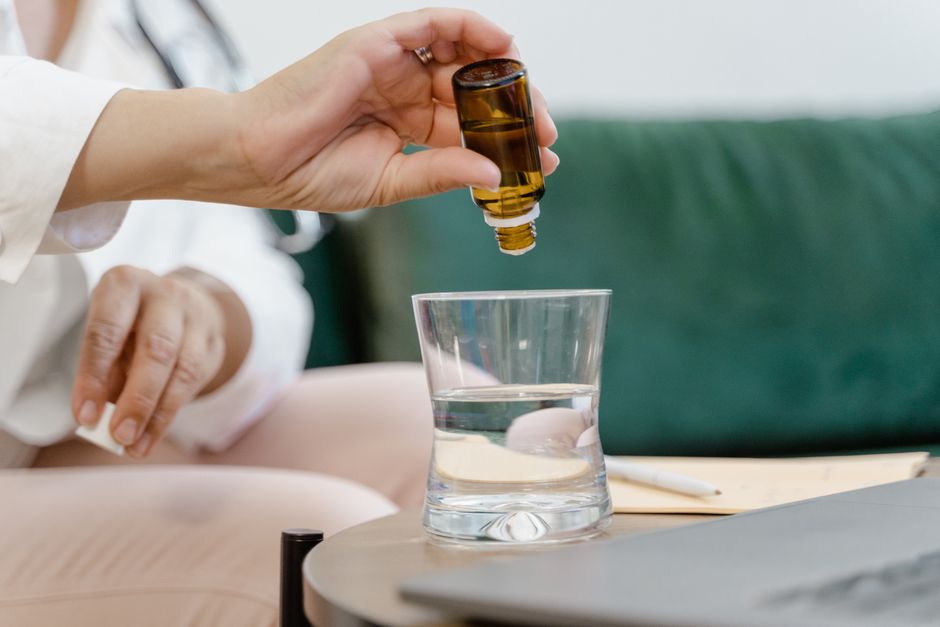
Eye drops are a common part of life for millions of people. You use them for allergies, dry eyes, or glaucoma. The last thing you expect is a stomach problem afterward. So, can eye drops give you diarrhea? The short answer is yes, it is possible, but it is not common. This happens when the medication drains from your eye into your nasal passage and down your throat, eventually reaching your stomach and intestines.
How Do Eye Drops Reach Your Stomach?
Your eye is not a sealed container. It connects to your nose through a small drainage system called the nasolacrimal duct. When you put a drop in your eye, only a small amount stays on the surface. A significant portion drains through this duct into your nasal cavity.
From the nose, the fluid mixes with mucus and drips down the back of your throat. You swallow it without noticing. This is called nasolacrimal drainage. It happens with every drop you instill, even if you do not taste it.
Once in the stomach, the active medication can be absorbed into your bloodstream or act directly on your digestive tract. The amount that reaches your gut is usually tiny. But for some drugs, even a small amount can cause a reaction.
Which Ingredients Cause Diarrhea?
Diarrhea is a known side effect of several classes of eye drop medications. The most common culprits are those that work on the autonomic nervous system. This system controls involuntary body functions like digestion and heart rate.
Cholinergic agents are one example. These drugs, sometimes used for glaucoma, stimulate nerve signals. In the gut, this stimulation increases muscle contractions. Faster contractions mean food and water move through your intestines more quickly, which can lead to loose stools.
Beta-blockers are another class. Timolol is a common beta-blocker eye drop. It works by slowing the heart rate, but it can also affect the digestive system. Diarrhea is listed as a possible side effect in the drug information for many beta-blockers.
Prostaglandin analogs, also used for glaucoma, can cause digestive issues in some people. These drugs work by increasing fluid outflow from the eye. Gastrointestinal side effects are less common with this class, but they do occur in some patients.
Some antibiotic eye drops can also cause diarrhea. This is more likely if the antibiotic is absorbed systemically. It can disrupt the normal bacteria in your gut, leading to loose stools.
Is This a Normal Reaction or a Problem?
Occasional loose stools after using eye drops are usually not dangerous. The effect is often mild and goes away as your body adjusts to the medication. Many people only notice it in the first few days of starting a new drop.
However, severe diarrhea is different. If you have watery stools multiple times a day for more than a day or two, this is not a typical reaction. Dehydration is a real risk, especially for older adults. You should contact your doctor if diarrhea persists or becomes severe.
There is a difference between a nuisance side effect and a medical problem. Mild, self-limiting diarrhea that stops within a day is likely just your body reacting to the medication. Prolonged, severe diarrhea that interferes with daily life needs medical attention.
How to Reduce the Amount That Reaches Your Stomach
There is a simple technique that can significantly reduce how much of the drop reaches your throat. It is called punctal occlusion. This is a clinical term for a very simple action.
After putting the drop in your eye, close your eye gently. Then place your index finger over the inner corner of your eye, right where the upper and lower eyelids meet your nose. Apply light pressure for about one to two minutes.
This pressure blocks the drainage duct. The medication stays on the eye surface instead of draining into your nose and throat. Studies show this technique can reduce systemic absorption of eye drops by up to 60 percent or more. This means less medication reaches your stomach, which means fewer digestive side effects.
Another method is called eyelid closure. Simply closing your eyes for two to three minutes after instilling the drop can also reduce drainage. The natural pumping action of blinking pushes fluid into the duct. Keeping your eyes closed stops this pumping.
You can also wipe away any excess drop from your eyelashes and skin immediately. This prevents the medication from being absorbed through your skin or accidentally getting into your mouth.
What to Do If You Experience Diarrhea
If you start having diarrhea after beginning a new eye drop, do not stop the medication on your own. This is especially important for glaucoma medications. Untreated glaucoma can cause permanent vision loss. Stopping your drops without speaking to your doctor is risky.
Instead, contact your prescribing doctor. Explain that you started a new eye drop and have developed diarrhea. Ask if this is a known side effect and whether there is an alternative medication.
There are often multiple options within the same drug class. A different beta-blocker or prostaglandin analog might not cause the same reaction. Your doctor may also recommend a lower concentration of the same medication.
If the diarrhea is mild, you might choose to continue the drop and monitor the situation. Many side effects diminish after the first week. Drinking extra fluids can help prevent dehydration while your body adjusts.
For severe diarrhea, call your doctor promptly. Do not wait several days. You may need to switch medications sooner rather than later.
When Diarrhea Is Not Related to Eye Drops
It is easy to blame a new medication for a stomach issue. But diarrhea has many causes. If you started eye drops at the same time you took an antibiotic for an ear infection, the antibiotic is a more likely culprit. Food poisoning, viral gastroenteritis, and stress can all cause diarrhea.
Pay attention to timing. Diarrhea that occurs within a few hours of using the drops is more likely related to the medication. Diarrhea that starts days later and has no clear pattern may have a different cause.
Keep a simple diary for a few days. Note when you use the drops and when you have bowel movements. This can help you and your doctor see if there is a real pattern or just a coincidence.
Also consider whether you changed anything else in your routine. New foods, new supplements, or increased caffeine can all affect digestion. Do not assume the eye drops are the cause simply because they are new.
Should You Stop Using the Drops?
Never stop a prescribed eye drop without talking to your doctor first. This is a firm recommendation. Eye conditions like glaucoma require consistent treatment. Interrupting treatment can lead to disease progression.
If you are using over-the-counter eye drops for allergies or dry eyes, the situation is different. You can stop using these at any time. If you suspect they are causing diarrhea, discontinue them and see if your symptoms resolve.
Check the label on over-the-counter drops. Some contain preservatives like benzalkonium chloride. While rare, some people are sensitive to this preservative. It can cause local irritation and, in very rare cases, systemic effects.
If your symptoms stop after you discontinue the over-the-counter drops, you have your answer. If diarrhea continues after stopping, the drops were not the cause. In that case, you should see a doctor to evaluate other possible causes of your digestive symptoms.
Frequently Asked Questions
How long after using eye drops can diarrhea start?
Diarrhea can begin within a few hours of using the drops. The medication must drain from the eye, be swallowed, and reach the intestines before symptoms appear.
Can preservatives in eye drops cause diarrhea?
Yes, some people are sensitive to benzalkonium chloride, a common preservative. This is rare, but it can cause digestive upset in sensitive individuals.
Are some eye drops more likely to cause diarrhea than others?
Yes, cholinergic agents and beta-blockers are more likely to cause digestive side effects. Prostaglandin analogs and antibiotics can also cause diarrhea, but less frequently.
Can I prevent diarrhea from eye drops?
Yes, pressing on the inner corner of your eye for one to two minutes after each drop can reduce the amount that reaches your stomach. This technique significantly lowers systemic absorption.
