
No, Epsom salts do not cause urinary tract infections. An Epsom salt bath cannot give you a UTI, and soaking in one will not introduce the bacteria that cause these infections into your urinary tract. The confusion likely comes from timing, not cause. People often take Epsom salt baths to soothe sore muscles or other discomfort, and a UTI that was already developing can become noticeable around the same time.
A urinary tract infection happens when bacteria — most often Escherichia coli from the digestive tract — travel up the urethra and multiply in the bladder or other parts of the urinary system. Epsom salts, which are magnesium sulfate, do not contain these bacteria and do not create them. So the short answer is no. But the fuller answer involves understanding what actually causes UTIs, why Epsom salts get blamed, and where the real risks lie.
What Are Epsom Salts and How Are They Used?
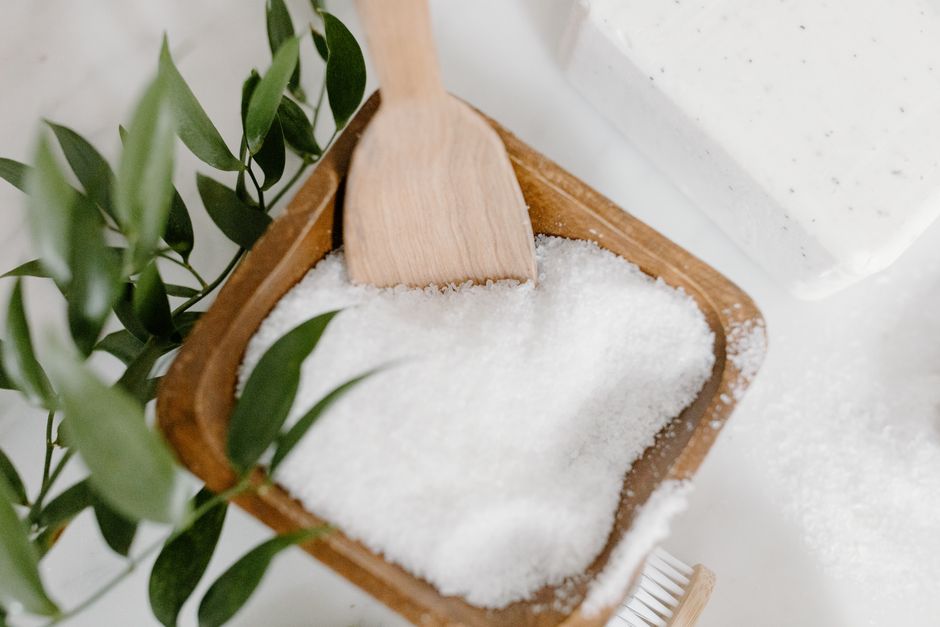
Epsom salts are a mineral compound made of magnesium, sulfur, and oxygen. The name comes from Epsom, England, where the mineral was first discovered in a natural spring. Despite the word “salt,” Epsom salts are chemically different from table salt (sodium chloride).
People use Epsom salts in a few main ways:
- Dissolved in warm bathwater for soaking
- As a foot soak for tired or achy feet
- In some laxative products taken by mouth
- Occasionally in topical compresses
The bath and foot soak uses are the ones most relevant to this question. When you dissolve Epsom salts in water and sit in it, the magnesium sulfate breaks down into magnesium and sulfate ions. Some of these ions can be absorbed through the skin, though the amount absorbed is generally considered small. The water itself does not become a breeding ground for the bacteria that cause UTIs.
Can Epsom Salts Cause a Urinary Tract Infection?
Epsom salts do not cause UTIs. The bacteria responsible for most urinary tract infections come from your own body — specifically from the gastrointestinal tract. They reach the urinary tract through the urethra, the tube that carries urine out of the body.
For a UTI to develop, bacteria need to enter the urethra and travel upward. Sitting in a bath, whether it contains Epsom salts or not, does not push gastrointestinal bacteria into the urethra. The anatomy and the direction of flow work against that.
What about the idea that bathwater itself is dirty? Bathwater can contain skin cells, soap residue, and trace amounts of bacteria from the skin. But the organisms that commonly cause UTIs are not the same ones that live on your skin in large numbers. And the urethra has defenses, including urine flow that helps flush out bacteria before they can establish an infection.
There is one indirect consideration. Some people find that certain soaps, bubble baths, or bath products irritate the urethra. That irritation is not an infection, but it can cause symptoms that feel similar — burning, urgency, or discomfort. If someone uses Epsom salts along with a harsh soap or fragranced product, the irritation might be blamed on the Epsom salts when the other product is the more likely culprit. This is a matter of irritation, not infection.
What Actually Causes Urinary Tract Infections?
UTIs are caused by bacteria, and the most common culprit is E. coli, which normally lives in the intestines. Other bacteria, including Klebsiella, Proteus, and Staphylococcus saprophyticus, can also cause infections.
Several factors increase the risk of developing a UTI:
- Sexual activity — bacteria from the genital area can be pushed toward the urethra
- Female anatomy — the female urethra is shorter and closer to the anus, making it easier for bacteria to reach the bladder
- Menopause — changes in estrogen levels can alter the vaginal environment and reduce protective bacteria
- Urinary catheter use — catheters can introduce bacteria directly into the bladder
- Urinary retention — not fully emptying the bladder allows bacteria to multiply
- Certain medical conditions — diabetes, kidney stones, or a weakened immune system
- Antibiotic use — can disrupt the normal balance of bacteria in the body
Notice that baths, Epsom salts, and soaking do not appear on this list. The causes are internal and bacterial, not environmental in the way many people assume.





Why Do People Blame Epsom Salts for UTIs?
When two things happen close together, the human brain looks for a connection. If someone takes an Epsom salt bath on Monday and notices UTI symptoms on Tuesday, it is natural to wonder if the bath caused it. But timing is not the same as causation.
A UTI does not appear the instant bacteria enter the urethra. It takes time for bacteria to multiply and for symptoms to develop. By the time symptoms show up, the infection may have been brewing for a day or more. The bath was simply the most recent memorable event.
There is also a common belief that sitting in bathwater allows bacteria to travel upward into the urinary tract. This idea is not supported by how UTIs actually develop. The bacteria that cause UTIs come from the digestive tract, not from bathwater. And the flow of urine and the body’s natural defenses make it difficult for bacteria to travel the wrong way up the urinary tract.
Another factor is that people sometimes use Epsom salt baths to soothe symptoms that they later realize are UTI symptoms. The bath did not cause the problem. The problem was already there.
Can Baths or Soaking Increase UTI Risk in Any Way?
Plain warm baths do not increase UTI risk. However, certain bath habits can irritate the urinary tract or surrounding tissues, which might be mistaken for an infection.
Products that may cause irritation include:
- Heavily fragranced bath bombs or bubble baths
- Harsh soaps or body washes
- Douches or feminine hygiene sprays
- Any product that leaves residue on sensitive tissue
This irritation is not an infection. It is a local reaction that can cause burning, itching, or discomfort. If symptoms persist or worsen, a healthcare provider can determine whether an infection is present.
For people who are prone to UTIs, some clinicians suggest avoiding prolonged soaking in highly fragranced products and rinsing the genital area with plain water after a bath. This is general advice, not a specific recommendation tied to Epsom salts.
What Are the Symptoms of a Urinary Tract Infection?
UTI symptoms depend on which part of the urinary tract is affected. Bladder infections (cystitis) are the most common and typically cause:
- A strong, persistent urge to urinate
- Burning or pain during urination
- Passing frequent, small amounts of urine
- Cloudy, dark, or strong-smelling urine
- Pelvic pressure or lower abdominal discomfort
- Blood in the urine
If the infection moves to the kidneys, symptoms can become more serious and may include fever, chills, nausea, vomiting, and pain in the back or side. Kidney infections require prompt medical attention.
If you notice UTI symptoms, see a healthcare provider. Most UTIs are treatable with antibiotics, but delaying treatment can allow the infection to spread. This is especially true for kidney infections, which can become dangerous.
Does Epsom Salt Have Any Effect on the Urinary Tract?
Epsom salts are not a treatment for UTIs. There is no clinical evidence that soaking in Epsom salts can cure or prevent a urinary tract infection. The magnesium and sulfate absorbed through the skin do not target urinary tract bacteria.
Some people find Epsom salt baths relaxing and helpful for muscle soreness. That is a separate matter. Relaxation does not treat an infection.
Oral Epsom salts are sometimes used as a laxative. That use is unrelated to UTIs, and taking Epsom salts by mouth can cause diarrhea and dehydration if used improperly. Oral Epsom salts should not be used to treat a UTI.
If you have UTI symptoms, the appropriate step is to see a healthcare provider. Do not rely on home remedies, including Epsom salt baths, to resolve an infection.
How Can You Lower Your Risk of UTIs?
Prevention focuses on reducing the chance that bacteria reach the urinary tract. Established strategies include:
- Stay hydrated — drinking enough fluids helps flush bacteria from the urinary tract
- Urinate after sexual activity — this helps clear bacteria that may have entered the urethra
- Wipe front to back — this reduces the transfer of bacteria from the anal area to the urethra
- Avoid irritating products — skip douches, sprays, and heavily fragranced soaps in the genital area
- Empty your bladder fully — do not rush urination
For some people, especially those who get frequent UTIs, a healthcare provider may recommend other strategies. These can include low-dose antibiotics or other preventive measures. The right approach depends on individual circumstances.
Epsom salt baths are not part of UTI prevention, but they are also not a risk factor. If you enjoy them for relaxation or muscle relief, there is no reason to stop based on UTI concerns.
Frequently Asked Questions
Can Epsom salt baths give you a UTI?
No, Epsom salt baths do not cause UTIs. The bacteria that cause these infections come from your own digestive tract, not from bathwater or Epsom salts.
Can sitting in a bath cause a urinary tract infection?
No, sitting in a plain warm bath does not cause a UTI. However, heavily fragranced bath products can irritate the genital area and cause symptoms that feel like an infection but are not.
What are the real causes of urinary tract infections?
UTIs are caused by bacteria, most commonly E. coli from the digestive tract, entering the urethra and traveling to the bladder. Risk factors include sexual activity, female anatomy, menopause, catheter use, and certain medical conditions.
Can Epsom salts treat a UTI?
No, there is no clinical evidence that Epsom salts can treat or cure a UTI. If you have UTI symptoms, see a healthcare provider, as antibiotics are typically needed.
