
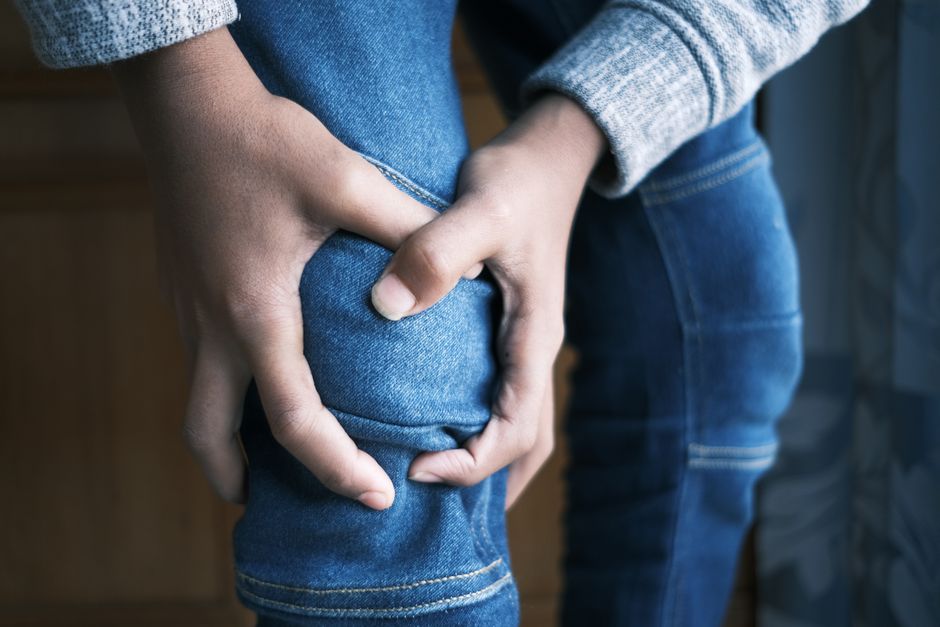
Endometriosis can cause joint pain, but the link is indirect rather than a direct effect of the disease on your joints. The connection runs mainly through inflammation and through conditions that commonly occur alongside endometriosis, such as autoimmune disease and fibromyalgia. Joint pain is not a classic symptom of endometriosis, so when it appears, it deserves its own evaluation.
What Is Endometriosis, and How Does It Affect the Body?
Endometriosis is a condition where tissue similar to the lining of the uterus grows outside the uterus. This tissue can attach to the ovaries, fallopian tubes, bowel, bladder, and other pelvic structures.
Like the uterine lining, this misplaced tissue responds to hormonal cycles. It thickens and bleeds, but the blood has no way out. That triggers inflammation, scarring, and sometimes adhesions — bands of scar tissue that can bind organs together.
The hallmark symptom is pelvic pain, especially around menstruation. Pain during sex, painful bowel movements, heavy periods, and fatigue are also common. Some people have significant disease with little pain. Others have severe pain with minimal visible disease. The two don’t always match.
Joint pain is not on that list of hallmark symptoms. That distinction matters, because it tells you where to look for an explanation.
So Can Endometriosis Cause Joint Pain?
Endometriosis is not known to attack joints directly. The tissue it spreads does not typically deposit inside joint spaces. So the pain people report is better understood as a downstream effect — something the disease sets in motion rather than something it does to the joint itself.
There are a few plausible routes. The first is systemic inflammation. Endometriosis is increasingly understood as a whole-body inflammatory condition, not just a pelvic one. Chronic inflammation can produce generalized aches and a feeling of joint stiffness, even without joint damage.
The second is the company endometriosis keeps. Certain conditions cluster together with it far more often than chance would predict. Those overlapping conditions are often the real source of joint pain.
The third is pain processing itself. When the nervous system is sensitized by years of chronic pain, the brain can amplify signals from tissues that are not actually injured. This is a real and well-documented phenomenon, and it can make joints feel painful without any joint disease present.
Which Conditions Linked to Endometriosis Cause Joint Pain?
Several conditions that occur more frequently in people with endometriosis are known to cause joint pain in their own right. If your joints hurt, these are worth raising with a clinician.
- Autoimmune diseases. Some research suggests an association between endometriosis and autoimmune conditions such as rheumatoid arthritis, lupus, and thyroid disease. Rheumatoid arthritis in particular causes joint pain, swelling, and stiffness. This is an association, not proof that endometriosis causes these diseases.
- Fibromyalgia. This condition causes widespread muscle and joint pain, fatigue, and tenderness. It is more common in people with chronic pelvic pain, and it can be mistaken for or overlap with endometriosis symptoms.
- Central sensitization. Long-standing pain can make the nervous system more reactive. Pain spreads beyond the original site, and joints that show no damage on examination can still hurt.
- Reduced activity. Chronic pain often leads to less movement. Deconditioning can leave joints and muscles feeling stiff and sore, which is a secondary effect rather than a direct one.
None of these is inevitable. Their presence simply means joint pain in endometriosis usually has an identifiable explanation worth tracking down.




How Do You Tell Endometriosis Joint Pain From Arthritis?
Location and timing offer useful clues, though only a clinician can sort it out with certainty. Endometriosis-related joint complaints tend to be diffuse and tied to overall inflammation or pain sensitization. Arthritis has its own recognizable patterns.
Inflammatory arthritis such as rheumatoid arthritis often brings joint swelling, warmth, and morning stiffness that lasts a while before easing. It tends to affect joints on both sides of the body. Osteoarthritis, the wear-and-tear type, usually involves specific joints and worsens with use.
Widespread pain with fatigue and sleep problems, without visible joint swelling, points more toward fibromyalgia or central sensitization.
One clarification worth knowing: the joint pain people describe with endometriosis is rarely the disease eroding cartilage. It is more often inflammation, an overlapping condition, or altered pain processing. That changes what treatment should target.
See a doctor promptly if you have joint swelling, redness, or warmth, stiffness that lasts more than an hour after waking, joint pain with fever, or pain that is getting steadily worse. These warrant a proper workup.
How Is Joint Pain With Endometriosis Evaluated?
There is no single test that links endometriosis to joint pain. Evaluation works by ruling things in and out.
A clinician will take a history of your pain — where it is, when it started, what makes it better or worse, and whether it follows your cycle. A physical exam checks for joint swelling, tenderness, and range of motion.
Blood tests may be ordered to look for markers of inflammation or autoimmune disease. Imaging of the joints may be used if arthritis is suspected. The goal is to identify whether a separate condition is present, because that condition would need its own treatment.
This matters because treating joint pain as though it is purely a symptom of endometriosis can delay diagnosis of something treatable. If your joints are a real problem, they deserve their own investigation rather than being folded into the endometriosis picture.
What Helps Joint Pain When You Have Endometriosis?
Management depends on what is actually causing the pain. There is no single approach, and no supplement has strong evidence for treating endometriosis-related joint pain specifically.
If an autoimmune condition or fibromyalgia is identified, treatment targets that condition directly. That is often where the most relief comes from.
For inflammation and general joint comfort, some clinicians recommend regular low-impact activity such as walking, swimming, or cycling. Movement helps maintain joint function and muscle support. Physical therapy can help when pain has led to stiffness or weakness.
Hormonal treatment and surgery for endometriosis address the disease itself. Whether they ease joint pain depends on whether the joint pain was driven by the endometriosis-related inflammation in the first place. That is not guaranteed.
Be cautious with supplements marketed for joint or hormone support. The evidence for most is limited, and no large human trials confirm they help this specific problem. Some interact with medications, so check with a pharmacist or doctor before starting anything.
The realistic goal is usually management, not cure. For many people that means controlling the endometriosis, addressing any overlapping condition, and keeping the body moving.
When Should You See a Doctor?
Bring up joint pain with your doctor if it is persistent, widespread, or interfering with daily life. Do not assume it is just part of your endometriosis.
Seek care sooner if you notice joint swelling, redness, or warmth, stiffness that lingers well after waking, or pain accompanied by fever or unexplained fatigue. These can signal an inflammatory or autoimmune condition that needs its own treatment.
Endometriosis is already a heavy burden. Adding joint pain on top of it is not something you have to simply accept. The right next step is figuring out what is actually driving the pain.
Frequently Asked Questions
Can endometriosis cause joint pain?
It can be associated with joint pain, but not through direct damage to the joints. The link usually runs through inflammation or through conditions that commonly occur alongside endometriosis.
What does endometriosis joint pain feel like?
People often describe it as diffuse aching or stiffness rather than sharp pain in one joint. If you have swelling, redness, or warmth in a joint, that points to a different cause and needs medical evaluation.
Is joint pain a common symptom of endometriosis?
No, it is not one of the hallmark symptoms, which are mainly pelvic pain and painful periods. Joint pain is more often linked to overlapping conditions such as autoimmune disease or fibromyalgia.
Should I tell my doctor about joint pain if I have endometriosis?
Yes. Persistent or worsening joint pain deserves its own evaluation so that any separate condition can be identified and treated.
