
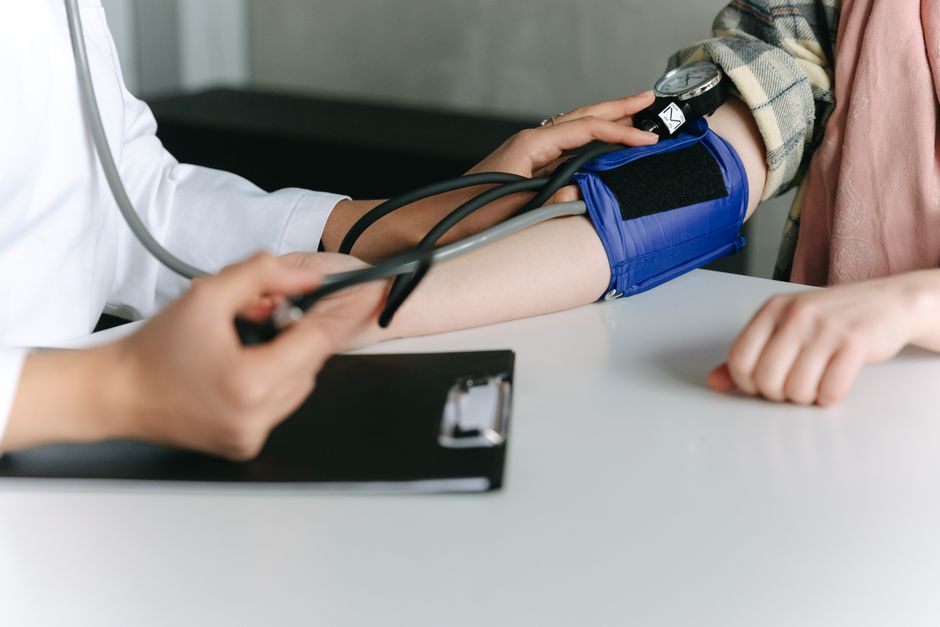
High blood pressure usually causes no symptoms at all. That is the core fact behind most confusion about it. Most people with elevated blood pressure feel completely normal, and when they feel tired, the blood pressure is rarely the direct cause. Fatigue has many possible sources, and pinning it on a number on the cuff is usually the wrong move.
That said, the two can connect in specific situations. Very high readings, certain medications, and the conditions that travel alongside hypertension can all drain energy. The trick is knowing which situation you are in. This article separates what the evidence shows from what people assume.
Can Elevated Blood Pressure Cause Fatigue?
No, ordinary elevated blood pressure does not cause fatigue. This is one of the most consistent findings in cardiovascular medicine. Blood pressure that sits mildly or moderately above normal produces no reliable symptoms, which is exactly why it is called the “silent killer.”
The reason is straightforward physiology. Blood pressure is the force of blood pushing against artery walls. A reading of 130/85 or 140/90 does not reduce blood flow to the brain or muscles in a way you can feel. Your body has wide margins for adjusting blood flow, and mild pressure changes stay well within them.
This matters because people often blame fatigue on a slightly high reading and stop looking for the real cause. Anemia, thyroid problems, sleep apnea, depression, poor sleep, and blood sugar issues are all far more common explanations for persistent tiredness. So is simple sleep debt.
There is one important exception. When blood pressure climbs into a genuinely dangerous range, symptoms can appear. That is a different situation from routine elevated blood pressure, and it needs urgent attention rather than a lifestyle tweak.
Why Does High Blood Pressure Usually Have No Symptoms?
Blood pressure is regulated by a system that constantly adjusts to keep blood flowing to your organs. Your body does this without your awareness, the same way it regulates temperature and heart rate. A pressure that is somewhat higher than ideal still delivers adequate blood flow.
The damage from high blood pressure happens slowly and silently. It strains the arteries, the heart, the kidneys, and the eyes over years. This is why hypertension is detected by measuring it, not by how you feel. Relying on symptoms to catch it is unreliable by design.
Some people do report headaches, dizziness, or fatigue with high blood pressure. The evidence connecting these symptoms to mild hypertension is weak and inconsistent. Many people who report these symptoms turn out to have normal blood pressure, and many with high readings feel fine.
This is a place where the honest answer is uncomfortable: if you feel tired, your blood pressure reading is not a reliable explanation unless the number is very high or something else is going on.
When Can Very High Blood Pressure Actually Cause Symptoms?
Very high blood pressure can cause symptoms, and fatigue is sometimes among them. The threshold that matters is not a routine elevated reading. It is a hypertensive crisis, generally defined as a blood pressure of 180/120 mmHg or higher.
At that level, the pressure can strain organs directly. Symptoms can include severe headache, chest pain, shortness of breath, vision changes, confusion, and profound weakness or fatigue. This is a medical emergency. A reading at or above 180/120 that comes with symptoms calls for emergency care, not a wait-and-see approach.
There is a nuance worth knowing. A very high reading without symptoms still needs prompt medical attention, but it is handled differently from a crisis with organ symptoms. Either way, it is not something to manage on your own.
For the large majority of people with elevated but not extreme blood pressure, this scenario does not apply. Their fatigue, if they have it, is coming from somewhere else.
Can Blood Pressure Medication Cause Fatigue?
Yes, and this is a more common link than high blood pressure itself. Several classes of blood pressure medication can cause tiredness, low energy, or a slowed feeling. Fatigue is a recognized side effect of some of these drugs.
Diuretics, for example, can lower potassium and other electrolytes, and that can leave you feeling weak or drained. Beta blockers slow the heart rate, which some people experience as reduced stamina or sluggishness. Other classes affect energy in different ways for different people.
This creates a confusing situation. Someone starts a medication, feels tired, and assumes the high blood pressure is the problem. Often the medication is the more likely cause. That distinction matters because it changes what to do about it.
Never stop a blood pressure medication on your own. Doing so can cause a dangerous rebound in pressure. If you suspect your medication is draining your energy, the right move is to tell your clinician. There are often alternative drugs or doses that control pressure with fewer side effects for you specifically.
What Else Connects High Blood Pressure and Tiredness?
The two often travel together because they share underlying causes. This is the part most people miss. Rather than one causing the other, a third factor can drive both.
Sleep apnea is the clearest example. It disrupts breathing during sleep, which fragments rest and causes daytime fatigue. It also raises blood pressure, partly through repeated surges in stress hormones and oxygen dips during the night. Treating the apnea can improve both the tiredness and the blood pressure.
Other shared contributors include:
- Obesity, which raises blood pressure and can reduce sleep quality and energy.
- Chronic stress, which affects both pressure regulation and how rested you feel.
- Physical inactivity, which is linked to higher blood pressure and lower energy over time.
- Kidney disease, which can cause both hypertension and fatigue.
- Thyroid problems, which affect energy and can influence blood pressure.
The practical takeaway is that fatigue and high blood pressure are often both signals pointing to the same underlying issue. Chasing the blood pressure number alone may miss the real driver of how tired you feel.
How Can You Tell What Is Actually Causing Your Fatigue?
You tell by looking at the whole picture, not just the blood pressure reading. The number on the cuff is one data point. Fatigue is a symptom with a long list of possible causes, and the job is to work through them systematically.
Start with the most common and easily checked possibilities. Sleep quality, sleep duration, and whether you snore or wake unrefreshed are worth noting. So is your mood, your activity level, and any recent changes in medication. These cover a large share of fatigue cases.
Basic lab work often helps. Blood counts can reveal anemia. Thyroid testing can catch an underactive thyroid. Blood sugar and kidney function tests round out a reasonable first look. A clinician can decide which tests fit your situation.
A few patterns are worth flagging to a doctor rather than self-managing:
- Fatigue that is new, persistent, or getting worse over weeks.
- Tiredness that comes with chest pain, shortness of breath, or fainting.
- A blood pressure reading of 180/120 mmHg or higher.
- Fatigue that began or worsened after starting a new medication.
None of these patterns means high blood pressure is the cause. They mean the situation deserves a proper look rather than an assumption.
The Bottom Line on Blood Pressure and Fatigue
Routine elevated blood pressure does not cause fatigue. That is the honest, evidence-based position, and it holds for the large majority of people. If you are tired and your blood pressure is mildly high, the two are probably not directly linked.
The real connections are narrower and more specific. Very high readings can cause symptoms. Blood pressure medications can sap energy. And shared underlying conditions like sleep apnea can drive both problems at once. Sorting out which situation applies to you is the useful next step.
What you should not do is use fatigue as a reason to ignore your blood pressure, or use your blood pressure as an explanation for fatigue that has another cause. Both numbers and symptoms deserve attention, but they are usually telling separate stories.
Frequently Asked Questions
Can high blood pressure make you feel tired?
Ordinary elevated blood pressure does not cause tiredness, and most people with it feel completely normal. Fatigue can appear when readings reach a hypertensive crisis level or when blood pressure medication is the cause.
What does high blood pressure fatigue feel like?
There is no specific “high blood pressure fatigue,” because routine hypertension does not produce a distinct tiredness pattern. When extreme readings cause symptoms, weakness tends to come with severe headache, chest pain, or vision changes rather than tiredness alone.
Can drinking more water help with high blood pressure and fatigue?
Staying hydrated supports normal body function, but no strong evidence shows that drinking more water lowers elevated blood pressure or relieves fatigue caused by hypertension. Dehydration can cause tiredness on its own, so adequate fluid intake is reasonable for general health.
When should I worry about fatigue and blood pressure together?
Seek medical advice if fatigue is new, persistent, or worsening, or if it began after a medication change. Get emergency care for a reading of 180/120 mmHg or higher, especially with chest pain, shortness of breath, or confusion.
