
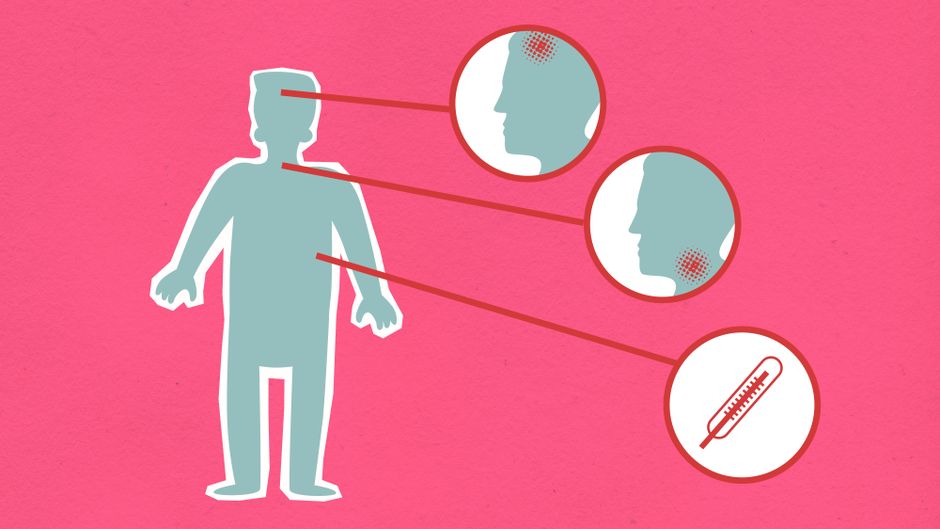
Yes, an ear infection can give you a headache. The link is strongest with middle ear infections and with infections of the inner ear, where inflammation and pressure changes affect nearby nerves and tissues. The headache is usually a secondary symptom — a companion to the ear pain, fullness, or pressure — rather than the main event.
That distinction matters. A headache from an ear infection is real, but it is not the same as a primary headache disorder like migraine. It is a symptom with a cause you can often identify. Knowing which type of ear infection tends to produce which symptoms helps you understand what your body is doing and when to seek care.
Can Ear Infection Give You Headache?
An ear infection can produce a headache because the ear and the head share nerve pathways and physical space. The ear is not an isolated organ sitting off to the side. It is embedded in the skull, connected to the throat, and wired into the same nerve networks that carry pain signals from the face, jaw, and scalp.
When infection or inflammation develops in the ear, tissue swells. Fluid and pressure build up. Those changes stimulate nearby nerves, and the brain registers pain that can be felt in the ear itself, around the ear, or more broadly across the head.
Three main types of ear infection exist, and they do not all behave the same way:
- Otitis media — infection of the middle ear, behind the eardrum. This is the most common type in children but affects adults too, often after a cold.
- Otitis externa — infection of the outer ear canal, sometimes called swimmer’s ear. Pain is typically focused in the canal and worsens when you pull on the ear.
- Otitis interna — infection or inflammation of the inner ear, including the labyrinth. This is less common and can bring vertigo and balance problems along with hearing changes.
Headache is most often reported with middle ear infections and inner ear infections. Outer ear infections can cause pain that radiates toward the jaw or side of the head, but a true generalized headache is less typical.
Why Does an Ear Infection Cause Headache?
The mechanism comes down to shared nerves and shared pressure. Several cranial nerves carry sensation from the ear, the face, and parts of the head. When inflammation irritates one branch, the brain can interpret the signal as coming from a wider area. This is called referred pain.
Pressure is the second factor. A middle ear infection usually involves fluid trapped behind the eardrum. That fluid pushes against structures that do not normally stretch. The resulting pressure can produce a dull ache that spreads across the temple or the back of the head on the affected side.
Fever is a third contributor. Many ear infections come with a low-grade fever, and fever itself can bring on a headache. So can the congestion and sinus pressure that often accompany the colds that trigger ear infections in the first place.
One clarification worth making: a headache from an ear infection is not usually caused by the infection spreading into the brain. That is a rare and serious complication, not the ordinary reason your head hurts. The common headache is a referred and pressure-related symptom, not a sign of brain involvement.
What Other Symptoms Come With an Ear Infection?
Headache rarely travels alone. Ear infections typically bring a cluster of symptoms, and recognizing the cluster helps you tell an ear infection apart from a simple tension headache or a cold.
Common symptoms of a middle ear infection include:
- Ear pain, often throbbing or sharp, worse when lying down
- A feeling of fullness or pressure in the ear
- Muffled hearing or a sense that sounds are distant
- Fluid drainage from the ear if the eardrum has ruptured
- Fever, especially in children
- Irritability or trouble sleeping in young children
Inner ear infections add a different set of symptoms. Vertigo — a spinning sensation — is common, along with nausea, unsteadiness, and hearing changes. A headache can accompany these, but the balance disturbance is usually the more prominent complaint.
Outer ear infections tend to cause itching, pain when the ear is touched or pulled, and sometimes discharge. Swelling of the canal can make the ear feel blocked.
If you have a headache with none of these ear-specific symptoms, an ear infection is an unlikely explanation. The headache probably has another cause.
When Is a Headache With Ear Infection a Warning Sign?
Most ear infection headaches are uncomfortable but not dangerous. A small number of situations deserve prompt medical attention because they can signal a complication or a different diagnosis.
Seek medical care quickly if a headache with an ear infection comes with any of the following:
- Stiff neck, high fever, confusion, or sensitivity to light
- Severe headache that is sudden and unlike any you have had
- Swelling, redness, or tenderness behind the ear, or the ear pushed outward
- Facial drooping or weakness on one side
- Hearing loss that does not improve
- Headache that keeps getting worse over days
These signs can point to complications such as mastoiditis (infection of the bone behind the ear) or, rarely, meningitis. They can also point to conditions unrelated to the ear. This is not a reason to panic — these complications are uncommon — but it is a reason not to dismiss them.
For adults, a persistent earache with headache that does not improve within a few days is worth an evaluation. Adults get fewer ear infections than children, so a new one, especially with hearing loss, deserves a look.
How Are Ear Infection Headaches Treated?
Treatment targets the infection and the inflammation, and the headache usually follows. There is no separate headache treatment for an ear infection — relieving the underlying problem is the point.
For pain and fever, over-the-counter analgesics such as acetaminophen or ibuprofen are commonly used. These reduce the headache and the ear pain together. Follow the label directions, and check with a pharmacist or clinician if you take other medications or have liver, kidney, or stomach conditions.
Antibiotics are not automatic. Many middle ear infections, particularly in adults and older children, clear on their own. Clinicians weigh factors like severity, duration, age, and whether one or both ears are affected. Some guidelines recommend a period of observation before antibiotics for certain cases. When antibiotics are prescribed, finishing the course as directed matters.
Warm compresses and keeping the head elevated can ease pressure-related discomfort. Decongestants are sometimes used for the congestion that accompanies ear infections, though evidence that they speed ear infection recovery is limited.
For inner ear infections with vertigo, clinicians may recommend specific medications for dizziness and, in some cases, vestibular rehabilitation exercises. These are decisions made with a clinician, not self-treatment choices.
How Long Does the Headache Last?
The headache typically fades as the infection improves. For many people, ear pain and headache ease within a few days of onset, whether or not antibiotics are used. Fluid behind the eardrum can linger longer than the pain — sometimes for weeks — but the headache usually resolves before the fluid does.
If a headache persists well beyond the point where other symptoms have improved, or if it worsens instead of easing, that is a reason to check back with a clinician. Persistent headache after an ear infection is not typical and should not be assumed to be part of normal recovery.
Timelines vary by person and by type of infection. Inner ear infections with vertigo can take longer to settle than middle ear infections. There is no single schedule that applies to everyone, which is why worsening or non-improving symptoms matter more than a calendar.
Can You Prevent Ear Infection Headaches?
You cannot prevent every ear infection, but reducing the frequency of ear infections reduces the headaches that come with them. The same habits that lower ear infection risk apply here.
Handwashing and avoiding close contact with people who have colds helps, since most middle ear infections follow a respiratory infection. For children, avoiding exposure to secondhand smoke is associated with fewer ear infections. Keeping up with recommended vaccinations, including pneumococcal and influenza vaccines, is linked to reduced risk in some age groups.
For outer ear infections, keeping the ear canal dry after swimming and avoiding inserting objects like cotton swabs into the canal reduces irritation and infection risk. For people prone to swimmer’s ear, clinicians sometimes suggest ear-drying drops after water exposure.
None of these measures guarantees you will avoid an ear infection. They lower the odds. That is a realistic goal, not a promise.
Frequently Asked Questions
Can an ear infection cause a headache without ear pain?
It is possible but uncommon. Most ear infections that cause headache also cause ear pain, fullness, or hearing changes. A headache with no ear symptoms is more likely to have a different cause.
Is a headache from an ear infection a sign of something serious?
Usually not. Most ear infection headaches are caused by inflammation and pressure and resolve as the infection improves. Severe headache with stiff neck, confusion, or swelling behind the ear needs urgent medical attention.
Should I take antibiotics for an ear infection headache?
Not automatically. Many ear infections clear without antibiotics, and clinicians decide based on severity, age, and duration. Pain relievers can ease the headache and ear pain while you wait.
How long does an ear infection headache last?
It often eases within a few days as the infection improves. Fluid behind the eardrum can last longer than the headache, but a headache that persists or worsens after other symptoms improve should be checked by a clinician.
