
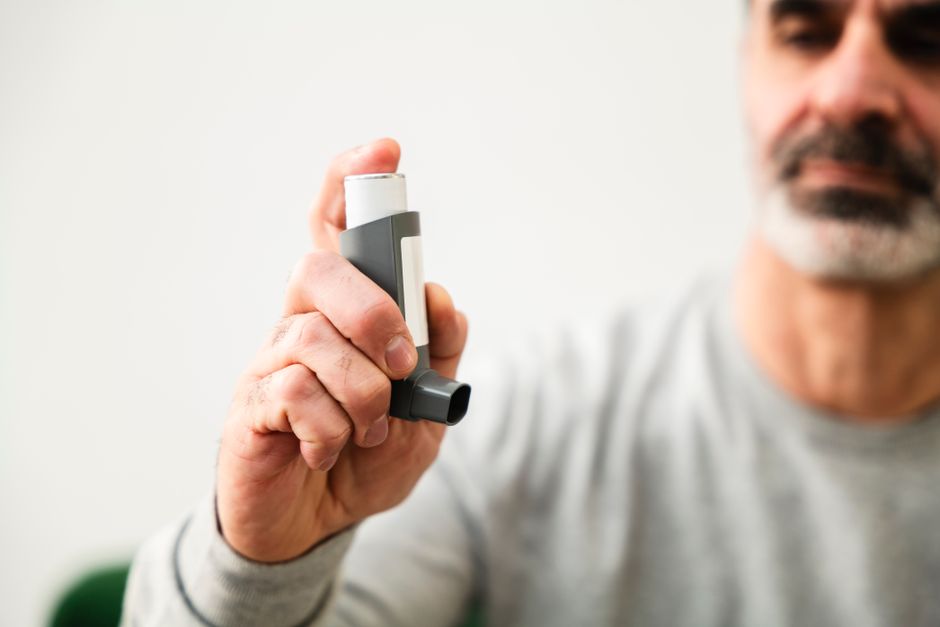
Yes, e-cigarettes can contribute to the development of COPD, though the relationship is more complex than with traditional cigarettes. Vaping exposes your lungs to chemicals and particles that cause inflammation and damage over time. While the risk may be lower than smoking, it is not zero, and for some people, it is significant.
How Vaping Affects the Lungs
Your lungs are designed to move air in and out while filtering out harmful particles. When you vape, you inhale an aerosol that contains more than just flavored liquid. This aerosol includes ultrafine particles, heavy metals, and chemicals like formaldehyde and acrolein.
These substances trigger an inflammatory response in your airways. Over time, that inflammation damages the walls of the air sacs and narrows the bronchial tubes. This damage is the underlying process of COPD. The lung tissue loses its elasticity, and the airways produce excess mucus, making it harder to breathe.
One key difference between vaping and smoking is the absence of combustion. Smoke from burning tobacco contains thousands of additional toxins. But the absence of smoke does not mean the aerosol is harmless. Studies have found that e-cigarette aerosol can damage lung cells, impair immune function, and promote inflammation in ways similar to cigarette smoke.
What COPD Actually Is
COPD stands for Chronic Obstructive Pulmonary Disease. It is an umbrella term that includes two main conditions: emphysema and chronic bronchitis. In emphysema, the air sacs in the lungs are destroyed. In chronic bronchitis, the airways are inflamed and produce too much mucus.
COPD develops slowly, usually over years. The earliest symptom is often a persistent cough that produces mucus, especially in the morning. Shortness of breath during physical activity is another early sign. Many people dismiss these symptoms as aging or being out of shape.
There is no cure for COPD. The damage to lung tissue is permanent. Treatment focuses on slowing progression, managing symptoms, and improving quality of life. That is why prevention matters so much.
The Research on E-Cigarettes and COPD
Research on vaping and COPD is still developing because e-cigarettes only became widely available in the late 2000s. COPD typically takes decades to develop in smokers. Scientists cannot yet run a 30-year study on vapers because the product has not existed that long.
What current research shows is concerning. A large analysis published in the American Journal of Preventive Medicine found that e-cigarette users had a significantly higher risk of developing COPD compared to people who never vaped or smoked. Another study in the journal Thorax found that people who used e-cigarettes had higher rates of respiratory symptoms like wheezing and bronchitis, even after controlling for cigarette use.
Some research suggests that vaping may cause a specific pattern of lung injury distinct from smoking-related COPD. This includes damage to the small airways and a condition called bronchiolitis. More research is needed to understand these patterns fully, but the trajectory is not reassuring.





Dual Use: Vaping and Smoking Together
Many people who vape also smoke. This is called dual use, and it is common. Some people use e-cigarettes to cut down on cigarettes, while others use them in situations where smoking is not allowed.
Dual use appears to be especially harmful. The combined effects of smoke and aerosol may create more inflammation than either alone. Some studies suggest that dual users have higher levels of lung damage than people who only smoke or only vape.
If you smoke and vape, quitting both is the only way to reduce your risk. Replacing some cigarettes with vaping does not eliminate the harm from the cigarettes you still smoke.
Can Vaping Help You Quit Smoking
The question of whether e-cigarettes help people quit smoking is separate from whether they cause COPD. Both things can be true. E-cigarettes may help some people quit smoking, and they may also cause lung damage.
Current evidence indicates that e-cigarettes are more effective for quitting than nicotine replacement therapy like patches or gum. However, most people who use e-cigarettes to quit end up using both products for extended periods. Only a small percentage fully transition away from cigarettes.
If you are using vaping as a quitting tool, the goal should be to stop vaping too. Using e-cigarettes indefinitely means continuing to expose your lungs to potentially harmful chemicals. The safest option for your lungs is to use no inhaled products at all.
Popcorn Lung and Other Specific Risks
You may have heard about “popcorn lung” in connection with vaping. This condition, called bronchiolitis obliterans, damages the smallest airways in the lungs. It was first seen in workers at a microwave popcorn factory who inhaled diacetyl, a chemical used for butter flavoring.
Some e-cigarette liquids contain diacetyl. Studies have detected it in a range of flavors, especially buttery and creamy ones. However, the levels in e-cigarette aerosol are generally lower than those found in the factory air that sickened workers.
Bronchiolitis obliterans is not the same as COPD, but it is a serious and permanent lung condition. The presence of diacetyl in some products is one more reason that inhaling flavoring chemicals is not harmless. Regulatory agencies have restricted diacetyl in food, but it was only recently restricted in e-cigarette liquids.
Who Is Most at Risk
Young people who vape face a particular concern. The lungs continue to develop into the mid-20s. Exposure to harmful aerosols during this window may create damage that becomes clinically significant later in life. A teenager who vapes today may not develop COPD symptoms until their 40s or 50s.
People with asthma are also at higher risk. Vaping can trigger asthma attacks and worsen underlying airway inflammation. If you have asthma, vaping is not a safer alternative to smoking.
There is no established safe level of vaping. Even occasional use exposes the lungs to substances they were not designed to handle. Some people may use e-cigarettes for years without obvious problems, while others develop symptoms quickly. Individual susceptibility varies.
Signs That Your Lungs Are Being Damaged
The early signs of lung damage from vaping can be subtle. A cough that does not go away, chest tightness, or feeling short of breath with minimal exertion are all warning signs. Wheezing or a feeling of phlegm in your throat that you need to clear frequently is also concerning.
If you experience any of these symptoms and you vape, see a healthcare provider. A simple breathing test called spirometry can measure how well your lungs are working. This test can detect airway obstruction before symptoms become severe.
Do not wait until you are seriously short of breath to seek help. Lung damage is cumulative and permanent. Stopping vaping can halt further damage, but it cannot reverse damage that has already occurred.
What a COPD Diagnosis Means
A COPD diagnosis is based on symptoms, exposure history, and spirometry results. The spirometry test measures how much air you can forcefully exhale in one second. A ratio below a certain threshold indicates airflow obstruction that does not fully reverse with medication.
If you are diagnosed with COPD and you vape, the recommendation is clear: stop. Continuing to inhale any irritant will accelerate the decline in your lung function. Your doctor can help you find strategies to quit vaping, including nicotine replacement therapy or prescription medications.
COPD is a progressive disease, but the rate of progression varies. Some people live for decades with mild symptoms. Others decline more rapidly. The single biggest factor you control is whether you continue to expose your lungs to harmful substances.
Frequently Asked Questions
Is vaping safer than smoking for your lungs?
Vaping exposes you to fewer toxins than smoking, but it is not safe. The aerosol still causes inflammation and can damage lung tissue over time.
How many years of vaping does it take to develop COPD?
No reliable data exists to answer this question because e-cigarettes have not been widely used long enough for long-term studies. COPD typically takes decades to develop in smokers, and the timeline for vapers is unknown.
Will my lungs heal if I stop vaping?
Some improvement is possible after stopping, especially in airway inflammation and symptoms like cough. However, structural damage such as emphysema is permanent and cannot be reversed.
Can secondhand vapor cause COPD?
The evidence is limited, but secondhand aerosol does contain nicotine and fine particles that can irritate the lungs. No long-term studies have confirmed whether it can cause COPD in bystanders.
