
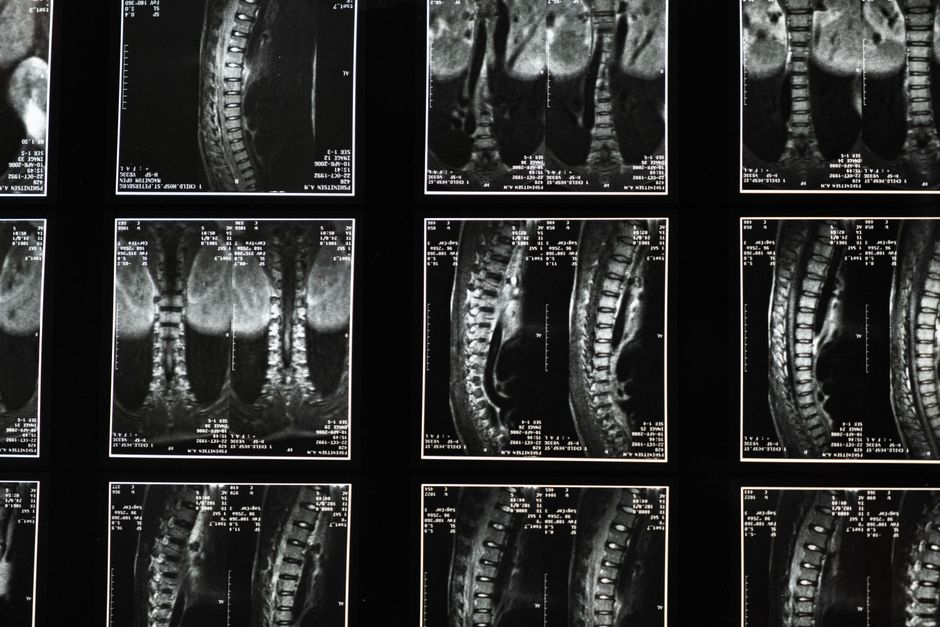
Yes, degenerative disc disease can cause neuropathy, but not in the way most people assume. The discs themselves do not have nerves that reach your feet. Instead, worn discs can narrow the spaces where spinal nerves travel, and those compressed or irritated nerves can produce pain, numbness, tingling, or weakness in the arms or legs. This is called radiculopathy, and it is the most common way disc degeneration leads to nerve symptoms.
That distinction matters. Many people search for a direct link between disc wear and peripheral neuropathy, a separate condition that usually affects the longest nerves in the body, often starting in the feet. The two problems can look alike, and they can also occur together. Sorting out which one is causing your symptoms changes what treatment makes sense.
How Does Degenerative Disc Disease Cause Neuropathy?
Disc degeneration causes nerve symptoms through compression and inflammation, not through the disc tissue itself.
Spinal discs are shock absorbers between the bones of your spine. They have a soft inner core and a tougher outer ring. As we age, discs lose water content and height. This is a normal part of aging and shows up on MRI scans in most adults over 40, often without causing any symptoms at all.
When a disc loses height or bulges, it can narrow the openings on the sides of the spine where nerve roots exit. Those openings are called foramina. A nerve root squeezed in that space sends abnormal signals down its path. Depending on which level is affected, you might feel burning, shooting pain, numbness, or tingling in a specific pattern along an arm or leg.
Inflammation plays a role too. Research has shown that degenerated discs release inflammatory chemicals that can irritate nearby nerve roots even without heavy mechanical pressure. This helps explain why MRI findings and symptom severity often do not match up well.
The key point: this is a nerve root problem, not a problem with the peripheral nerves themselves. That difference shapes everything about diagnosis and treatment.
Is Degenerative Disc Disease the Same as Peripheral Neuropathy?
No. These are different conditions with different causes, even when the symptoms feel similar.
Peripheral neuropathy means damage to nerves outside the brain and spinal cord. It usually affects both feet first, then moves up the legs in a stocking pattern. Diabetes is the most common cause in the United States. Other causes include alcohol use disorder, vitamin B12 deficiency, certain medications, kidney disease, and some inherited conditions. In a large share of cases, no cause is ever identified, which doctors call idiopathic neuropathy.
Radiculopathy from disc disease is different in several ways:
- It usually affects one side of the body.
- Symptoms follow a specific nerve path, not a stocking or glove pattern.
- It often comes with back or neck pain near the affected level.
- It can worsen with certain movements, coughing, or sitting.
Both conditions can cause numbness, tingling, and weakness. That overlap is why a careful exam matters more than a symptom checklist. A doctor can often tell the difference by testing reflexes, strength, sensation patterns, and nerve conduction.
What Are the Symptoms of Nerve Compression From Disc Disease?
Nerve root compression produces symptoms in a predictable pattern that follows the affected nerve.
In the lower back, the most commonly affected levels are L4-L5 and L5-S1. Compression there can cause pain shooting down the back of the leg, often called sciatica. You might feel numbness along the outer calf or top of the foot, or weakness when trying to lift your foot or stand on your toes.
In the neck, C5-C6 and C6-C7 are common trouble spots. Symptoms can include pain radiating into the shoulder, arm, or hand, along with numbness in specific fingers and weakness in the arm.
Warning signs that need urgent medical attention include:
- Loss of bladder or bowel control
- Numbness in the saddle area, meaning the groin and inner thighs
- Rapidly worsening weakness in both legs
These can signal cauda equina syndrome, a rare but serious condition that needs emergency care. Do not wait to see if it improves.





Can Disc Disease and Peripheral Neuropathy Happen Together?
Yes, and it happens more often than many people realize, especially in older adults.
Consider a 62-year-old with type 2 diabetes and a worn L4-L5 disc. The diabetes may be causing mild peripheral neuropathy in both feet. The disc problem may be causing sciatica in one leg. Both are real. Both need attention. But they call for different treatments.
This overlap creates a diagnostic challenge. A doctor who only looks at the spine may miss the diabetes-related nerve damage. A doctor who only tests for peripheral neuropathy may miss the disc problem. Getting a full picture usually requires a physical exam, imaging when appropriate, and sometimes nerve conduction studies or electromyography.
There is also a less obvious point worth knowing. Some research suggests that chronic nerve pain from any source can sensitize the nervous system over time, making pain feel worse and spread beyond the original area. This does not mean one condition causes the other, but it does mean untreated pain from either source can compound the other.
How Is Nerve Involvement From Disc Disease Diagnosed?
Diagnosis starts with a physical exam, not an MRI.
This surprises many people. Disc degeneration is extremely common on imaging in people with no pain at all. A study published in the New England Journal of Medicine found that a large majority of adults without back pain had signs of disc degeneration on MRI. That means an MRI finding alone does not prove the disc is causing your symptoms.
Doctors use the exam to look for signs that point to a specific nerve root:
- Reflex changes, such as a reduced knee or ankle reflex
- Weakness in specific muscles
- Loss of sensation in a pattern that matches a nerve root
- Pain that worsens with certain positions or movements
If the exam points to a nerve root problem, imaging can confirm which level is involved. Nerve conduction studies and electromyography can help distinguish radiculopathy from peripheral neuropathy when the picture is unclear.
What Treatments Help Nerve Symptoms From Disc Disease?
Most people with radiculopathy from disc disease improve without surgery.
That is the consistent finding across decades of research. Symptoms often ease over weeks to a few months as inflammation settles, even if the disc itself does not change much. Conservative care is usually the first step.
Common approaches include:
- Activity modification rather than strict bed rest, which can make things worse
- Physical therapy to improve strength, flexibility, and posture
- Over-the-counter pain relievers such as NSAIDs, if you can safely take them
- Oral corticosteroids in some cases, though evidence for their benefit is mixed
- Epidural steroid injections, which some clinicians use for short-term relief, though evidence for long-term benefit is limited
Surgery is generally considered when symptoms are severe, worsening, or not improving after a reasonable course of conservative care. The most common procedures remove the portion of disc pressing on the nerve. Outcomes vary, and surgery is not a guaranteed fix.
For confirmed peripheral neuropathy, treatment depends on the cause. Blood sugar control helps in diabetes-related neuropathy. Some research supports specific treatments for certain types, but there is no single therapy that reverses peripheral neuropathy across the board. Anyone promising a cure is overstating what the evidence shows.
Can You Prevent Nerve Damage From Disc Disease?
You cannot stop discs from aging, but you can lower the odds that degeneration leads to nerve problems.
Staying active matters. Regular movement keeps the muscles around your spine strong and supports the structures that protect your nerves. Smoking is linked to faster disc degeneration and poorer outcomes after spine surgery, so quitting helps. Maintaining a healthy weight reduces load on the spine. Paying attention to posture and body mechanics during lifting can lower the risk of acute disc injuries.
If you have diabetes, keeping blood sugar in a target range your doctor recommends is one of the most protective steps you can take for your nerves overall. That benefit applies whether or not you also have disc issues.
What you cannot do is reverse disc degeneration with supplements, inversion tables, or chiropractic adjustments. No clinical evidence currently confirms those approaches restore disc height or repair nerve damage. Some may ease symptoms temporarily. None have been shown to reverse the underlying process.
Frequently Asked Questions
Can degenerative disc disease cause neuropathy in the feet?
It can cause nerve symptoms in the feet if a lower back disc is compressing a nerve root that travels to the foot, most often at L5 or S1. However, numbness and tingling in both feet is more typical of peripheral neuropathy, so the pattern matters for diagnosis.
How do I know if my neuropathy is from my back or something else?
Nerve symptoms from a disc problem usually affect one side and follow a specific nerve path, while peripheral neuropathy typically starts in both feet in a stocking pattern. A physical exam and sometimes nerve conduction studies are needed to tell them apart.
Can a herniated disc cause permanent nerve damage?
Permanent damage is possible but uncommon, especially with timely treatment. Most people recover nerve function over weeks to months, though severe or long-standing compression can leave lasting numbness or weakness in some cases.
Does disc degeneration always lead to nerve problems?
No. Most adults have some disc degeneration on MRI without any nerve symptoms at all. Nerve involvement depends on whether the degenerated disc narrows the space around a nerve root enough to compress or irritate it.
