
COVID-19 is primarily a respiratory illness, but its effects reach far beyond the lungs. Many people who get sick with the virus develop symptoms that feel a lot like a bad cold or sinus infection. The short answer is yes, COVID-19 can lead to sinus inflammation and the symptoms of a sinus infection, though the virus itself does not always cause a bacterial infection in the sinuses. Understanding the difference is important for knowing how to treat it and when to see a doctor.
How COVID-19 Affects the Sinuses
The sinuses are hollow spaces in your skull, located around your nose, eyes, and cheeks. They are lined with a thin layer of tissue that produces mucus. Normally, that mucus drains through small passages and keeps the nasal passages moist and clear.
When you get COVID-19, the virus enters your body through the nose and throat. The cells lining your nasal passages and sinuses are a primary target for the virus. When the virus infects these cells, the immune system responds with inflammation. That inflammation causes the tissue to swell. When the tissue swells, the small drainage passages can close off.
This is the core mechanism. Swelling blocks drainage, mucus builds up, and pressure increases. That pressure is what causes the facial pain, headache, and stuffy nose that feel like a sinus infection. Some research suggests that the virus can directly infect the cells in the sinuses, which explains why sinus symptoms are so common during a COVID-19 infection.
The Difference Between Viral Sinusitis and Bacterial Sinusitis
It is helpful to understand that a sinus infection is not always caused by bacteria. There are two main types: viral and bacterial.
Viral sinusitis is much more common. It happens when a virus, such as a cold virus or SARS-CoV-2, causes the sinus tissue to swell. The symptoms are the same as a bacterial infection: congestion, facial pressure, and thick nasal discharge. Viral sinusitis typically resolves on its own as the immune system clears the virus.
Bacterial sinusitis is a different situation. It happens when bacteria grow in the trapped mucus. This can occur as a complication of a viral illness. The trapped, stagnant mucus becomes a breeding ground for bacteria. Bacterial sinusitis often lasts longer than a typical viral infection and may require antibiotics.
COVID-19 most commonly causes viral sinusitis. The inflammation from the virus is the primary problem. However, a person who is sick with COVID-19 can develop a secondary bacterial sinus infection. This is more likely to happen if the illness is prolonged or if the drainage remains blocked for an extended period.
Symptoms That Point to Sinus Involvement
Not everyone with COVID-19 develops sinus symptoms. But for those who do, the experience can be uncomfortable. The symptoms of sinus involvement during COVID-19 can include:
- Nasal congestion or stuffiness
- Thick nasal discharge, which may be clear, yellow, or green
- Pain or pressure in the forehead, cheeks, or around the eyes
- Reduced sense of smell
- Headache that worsens when bending forward
- A feeling of fullness in the ears
- Postnasal drip, which can cause a sore throat or cough
It is important to note that yellow or green mucus does not automatically mean a bacterial infection. During a viral illness, white blood cells in the mucus can give it a yellow or green color. The color alone is not a reliable indicator of whether antibiotics are needed.





Loss of Smell and Taste
A loss of smell and taste is a well-known symptom of COVID-19. This symptom is closely tied to the sinuses and nasal passages. The virus damages the supporting cells in the olfactory epithelium, the tissue in the nose that detects smells. This damage disrupts the sense of smell, which in turn affects the sense of taste.
This symptom is different from the simple stuffiness of a cold. Many people with COVID-19 lose their sense of smell without having severe nasal congestion. This suggests that the virus affects the smell receptors directly, not just through swelling and blockage.
For most people, the sense of smell returns within a few weeks. However, some people experience a persistent loss of smell for months. This is a known complication of COVID-19 and is not the same as a typical sinus infection. If you lose your sense of smell and it does not return, it is worth discussing with a healthcare provider.
How Long Do Sinus Symptoms Last?
The duration of sinus symptoms depends on the course of the COVID-19 infection itself. For most people with mild to moderate illness, sinus symptoms improve within one to two weeks. As the immune system clears the virus, the inflammation subsides, the swelling goes down, and the sinuses begin to drain normally again.
Some people experience symptoms for longer. This is often called long COVID or post-COVID conditions. Persistent nasal congestion, facial pressure, or a reduced sense of smell can last for weeks or even months after the initial infection. The exact cause of these prolonged symptoms is not fully understood. It may involve ongoing inflammation or, in some cases, damage to the nasal tissue.
If your sinus symptoms last longer than 10 to 14 days without improvement, or if they seem to get better and then suddenly worsen, you may have developed a bacterial sinus infection. This is a situation where a medical evaluation is appropriate.
When to See a Doctor
Most sinus symptoms from COVID-19 can be managed at home. However, there are warning signs that warrant a call to a doctor. You should seek medical attention if you experience:
- Symptoms that last longer than 10 days without improvement
- Symptoms that are severe, such as intense facial pain or a high fever
- A double sickening, where you start to feel better and then get worse again
- Swelling or redness around the eyes
- Vision changes or severe headache
- Difficulty breathing or chest pain
A double sickening is a classic sign of a secondary bacterial infection. If you had COVID-19, started to improve, and then suddenly developed worsening sinus pain and fever, this could indicate that bacteria have moved into the trapped mucus. In this case, a doctor may consider prescribing antibiotics.
It is also important to remember that COVID-19 itself can cause serious complications. If you are having trouble breathing, persistent chest pain, confusion, or bluish lips, seek emergency medical care immediately. These are signs of severe illness, not just a sinus issue.
Home Care for Sinus Symptoms
There is no cure for the common cold or for COVID-19, and the same applies to the sinus symptoms they cause. Treatment focuses on managing symptoms while the immune system does its work. Several approaches can help relieve the pressure and discomfort of sinus congestion.
Saline nasal rinses are a safe and effective way to thin mucus and clear the nasal passages. Using a neti pot or a squeeze bottle with sterile saline solution can help wash out the sinuses. It is critical to use distilled, sterile, or previously boiled water, never straight tap water, to avoid introducing harmful organisms into the nasal passages.
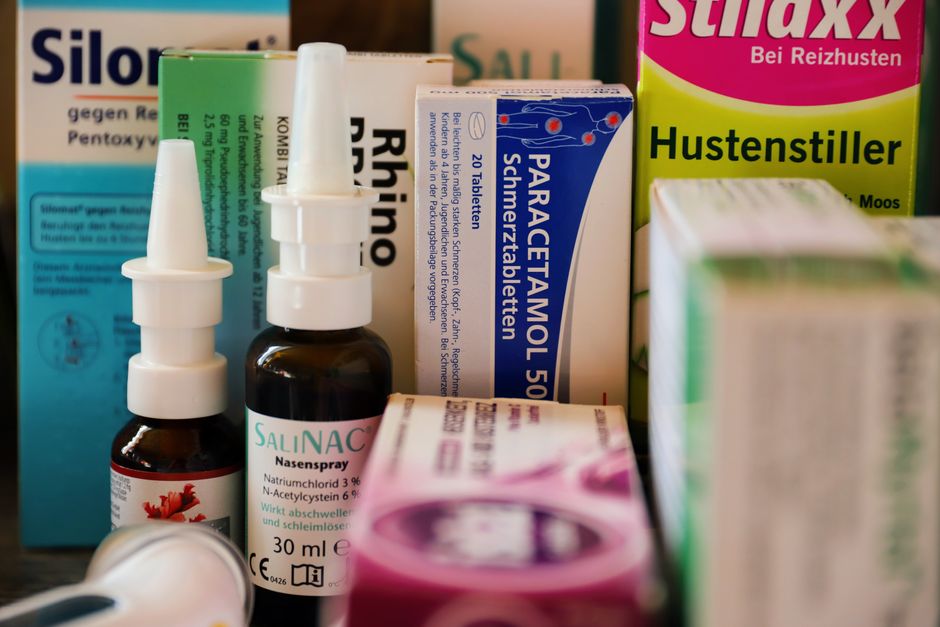
Over-the-counter decongestants can help reduce swelling in the nasal tissue. These are available as nasal sprays or oral tablets. Nasal sprays should not be used for more than three consecutive days, as they can cause rebound congestion. Oral decongestants may raise blood pressure, so people with high blood pressure should check with a pharmacist or doctor before using them.
Pain relievers such as acetaminophen or ibuprofen can help with facial pain and headache. Applying a warm compress over the forehead and cheeks can also provide relief. Drinking plenty of fluids helps keep the mucus thin, and using a humidifier in your room can add moisture to the air, which soothes irritated nasal passages.
Can You Prevent Sinus Issues During COVID-19?
There is no guaranteed way to prevent sinus symptoms if you contract COVID-19. The virus infects the nasal passages in most people, and the resulting inflammation is a natural immune response. However, keeping the nasal passages moist and clear may reduce the severity of symptoms.
Staying well hydrated is one of the simplest and most effective measures. Good hydration keeps mucus thin and easier to drain. Using a saline rinse early in the illness may help clear the virus from the nasal passages and reduce the viral load, though the evidence for this is not definitive.
Vaccination remains the most effective way to reduce the risk of severe illness from COVID-19. People who are vaccinated and boosted are less likely to develop severe disease, and some evidence suggests they may have shorter symptom duration. However, vaccination does not completely prevent infection, and it does not guarantee that you will not develop sinus symptoms.
Frequently Asked Questions
Can COVID-19 turn into a bacterial sinus infection?
Yes, it is possible. The inflammation from COVID-19 can block sinus drainage, and trapped mucus can become infected with bacteria as a secondary complication.
How can I tell if my sinus infection is viral or bacterial?
Viral sinus infections typically improve within 7 to 10 days. A bacterial infection is more likely if symptoms last longer than 10 days, worsen after initial improvement, or are accompanied by a high fever and severe facial pain.
Is it safe to use a neti pot for sinus congestion during COVID-19?
Yes, saline nasal rinses are generally safe if you use distilled, sterile, or previously boiled water. They can help thin mucus and relieve congestion, but they do not treat the virus itself.
How long does loss of smell last after COVID-19?
Most people regain their sense of smell within a few weeks. However, some people experience a loss of smell for months, and in rare cases it may be permanent. Persistent loss of smell should be discussed with a healthcare provider.
