
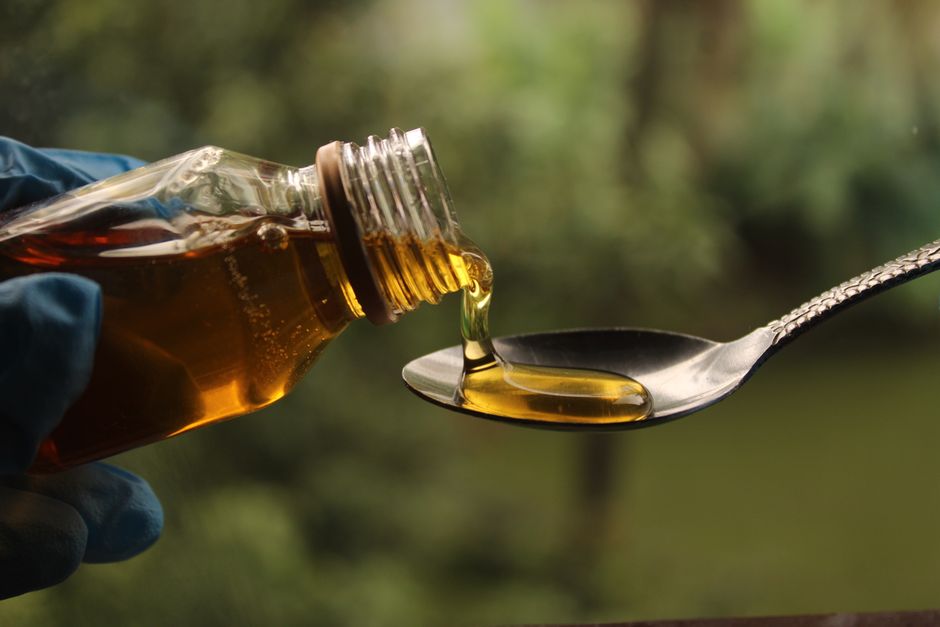
Yes, corn syrup can go bad — but not in the way most people expect. It does not grow mold the way bread does or turn visibly rancid the way cooking oil can. Corn syrup spoils mainly through gradual quality loss: it darkens, thickens, crystallizes, or absorbs off-flavors from its surroundings. Because it is a low-moisture sugar syrup, it resists microbial growth far longer than most foods, which is why commercial bottles carry surprisingly long shelf lives.
What actually changes over time is texture and flavor, not safety in the way you might assume. Understanding why corn syrup behaves this way requires looking at what it is made of and how sugar chemistry works.
What Is Corn Syrup Made Of?
Corn syrup is a liquid sweetener made from corn starch. Through a process called enzymatic hydrolysis, long starch molecules get broken down into shorter chains of glucose and other sugars. The result is a thick, clear, sweet liquid.
The key point is water. Corn syrup is roughly 75 to 80 percent sugar solids and about 20 to 25 percent water. That low water content is not an accident. It is why bacteria, mold, and yeast struggle to grow in it. Microorganisms need available water to survive, and sugar binds up most of the water in the syrup so it is not accessible to them.
There are two main types you will see on store shelves:
- Light corn syrup — clarified and often flavored with vanilla. Used in baking, candy making, and some sauces.
- Dark corn syrup — light corn syrup with added molasses, caramel color, and sometimes a mild preservative. Used for its deeper flavor.
High-fructose corn syrup (HFCS) is a related but different product. It is corn syrup that has been further processed to convert some of its glucose into fructose, making it sweeter and more stable for use in sodas, baked goods, and processed foods. The spoilage behavior of HFCS is broadly similar to regular corn syrup because the underlying chemistry is close.
How Long Does Corn Syrup Last?
An unopened bottle of commercial corn syrup can last for years past its printed date if stored properly. The “best by” date on the label is about peak quality, not a safety cutoff. Once opened, corn syrup typically stays usable for about six months to a year, though it may slowly change in color and texture.
These timelines are general. Real-world shelf life depends on how the bottle is stored, how often it is opened, and whether anything contaminates it. A bottle kept in a cool, dark pantry and used with a clean spoon will last longer than one left near a hot stove or repeatedly opened with a sticky utensil.
Here is a simple reference for how storage conditions affect corn syrup:
| Storage Condition | Effect on Corn Syrup |
|---|---|
| Cool, dark pantry (unopened) | Remains stable for years |
| Cool, dark pantry (opened) | Usable for roughly 6–12 months |
| Warm environment | Darkens and thickens faster |
| Refrigerator | Slows spoilage but increases crystallization |
| Near strong odors | Absorbs surrounding smells over time |
Refrigeration is a trade-off. It slows chemical changes but makes corn syrup more likely to crystallize because cold temperatures reduce sugar solubility. For most home bakers, a pantry is the better choice.
Does Corn Syrup Actually Spoil or Just Change?
Corn syrup rarely spoils in the microbiological sense. The sugar concentration is high enough that it acts as a natural preservative. What people call “spoilage” is usually one of four quality changes.
Darkening. Over time, sugars in the syrup react with each other in a slow browning process. This is the same general type of reaction that browns bread crust and caramelizes onions. It is not dangerous, but it changes flavor and appearance.
Thickening. Water slowly evaporates from the syrup, especially if the bottle is not sealed tightly. The syrup becomes more viscous and harder to pour.
Crystallization. Sugar molecules can gradually arrange themselves into solid crystals, leaving gritty bits in what should be a smooth liquid. Cold temperatures speed this up.
Flavor absorption. Corn syrup picks up odors from its environment. A bottle stored next to spices or cleaning products can take on those smells. This is a real quality problem, not a safety one.
True microbial spoilage is uncommon but possible. If water gets into the bottle — from a wet spoon, for example — it can dilute the syrup enough to lower its preservative effect. In that case, mold or fermentation becomes possible.




How Can You Tell If Corn Syrup Has Gone Bad?
Look and smell before you taste. Fresh corn syrup is clear (light) or dark amber (dark), smooth, and pours in a steady ribbon. Signs it has declined include:
- Visible mold on the surface or around the cap
- A sour, fermented, or off smell
- Bubbling or fizzing, which suggests fermentation
- Gritty texture from heavy crystallization
- Separation or a watery layer on top
- An unusually dark or cloudy appearance
Mold or a fermented smell means discard the bottle. Crystallization and thickening alone do not mean the syrup is unsafe — they are quality issues. You can often rescue crystallized syrup by placing the sealed bottle in warm water and stirring gently until the crystals dissolve.
One clarification worth making: crystallization is not a sign of contamination. It is simply sugar coming out of solution, and it happens to honey, maple syrup, and many sugar syrups too.
Does Corn Syrup Ever Grow Mold or Bacteria?
Mold and bacteria generally cannot grow in undiluted corn syrup. The sugar content creates what food scientists call a low water activity environment — meaning the water present is chemically bound to sugar and unavailable to microbes.
This is the same principle that keeps honey shelf-stable for years. Honey and corn syrup are both hostile environments for most microorganisms because of their high sugar concentration.
The exception is dilution. If water gets into the bottle, the sugar concentration drops and water activity rises. That can allow mold, yeast, or bacteria to grow. This is why using a clean, dry spoon matters. It is also why you should keep the cap closed when the bottle is not in use.
A small number of specialized organisms can survive in very high-sugar environments, but they are not a typical concern for home storage of commercial corn syrup.
How Should You Store Corn Syrup?
Store corn syrup in a cool, dark place at room temperature. A pantry shelf away from the stove, oven, and direct sunlight works well. Keep the cap tightly closed after each use.
Use a clean, dry spoon or measuring cup every time. Even a small amount of water introduced into the bottle can lower the syrup’s natural preservative effect and create conditions for spoilage.
You do not need to refrigerate corn syrup for safety. In fact, refrigeration tends to cause crystallization, which is annoying even if harmless. If you live in a very hot, humid climate and your pantry regularly exceeds comfortable room temperature, refrigeration may be the lesser evil — just expect some grittiness.
Keep corn syrup away from strong-smelling items. Because it absorbs odors, a bottle stored next to garlic, onions, or cleaning supplies can take on those smells over months of storage.
Is Old Corn Syrup Safe to Use?
If it looks and smells normal, old corn syrup is generally safe to use. The “best by” date reflects quality, not a point at which the product becomes dangerous. Many bottles remain perfectly usable for months or years past that date when stored well.
If you see mold, smell fermentation, or notice bubbling, throw it out. Those are signs that something has gone wrong, usually because water got in or the bottle was stored poorly.
If the syrup is just darker, thicker, or slightly crystallized, it is still safe. You can warm it gently to restore pourability. For baking, minor texture changes usually make no difference to the final result.
When in doubt about an opened bottle that has been sitting for a long time and shows several quality changes at once, replacing it is a reasonable and inexpensive choice. Corn syrup is not a product worth risking a spoiled batch of candy or cookies over.
Frequently Asked Questions
Can corn syrup go bad after opening?
Yes, opened corn syrup can decline in quality over about six months to a year, mainly through darkening, thickening, or crystallization. True microbial spoilage is uncommon unless water gets into the bottle.
Does corn syrup need to be refrigerated?
No, refrigeration is not required for safety and can actually speed up crystallization. A cool, dark pantry with a tightly closed cap is the better storage choice for most households.
What does spoiled corn syrup look like?
Spoiled corn syrup may show mold on the surface, a fermented or sour smell, or bubbling. Darkening, thickening, and crystallization are quality changes, not signs of spoilage.
Can you use corn syrup past its expiration date?
Often yes, if it looks and smells normal. The printed date reflects peak quality rather than a safety limit, so properly stored bottles frequently remain usable well past it.
