
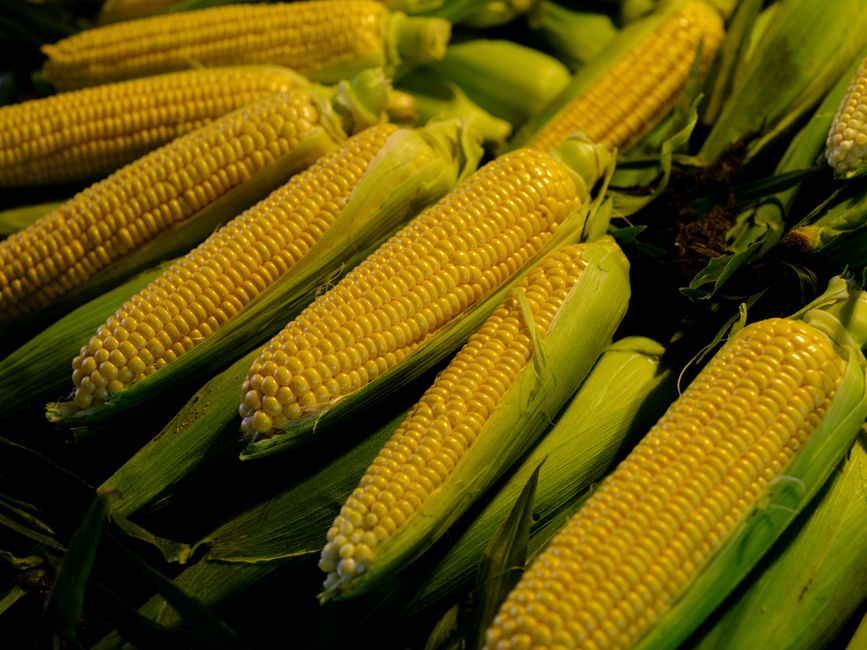
Corn is a staple of the American diet, found in everything from summer cookouts to breakfast cereals. But many people report seeing undigested pieces of corn in their stool, which leads to a common question: Can corn be digested? The short answer is that the outer shell of the kernel cannot be fully digested by humans, but the inner portion of the kernel is digestible and provides valuable nutrients. This is a normal part of how the human digestive system processes this particular plant food.
Why Does Corn Pass Through Undigested?
The reason corn appears intact in stool comes down to its structure. Each kernel is wrapped in a tough outer layer made of cellulose. Cellulose is a complex carbohydrate and a type of fiber that the human body lacks the specific enzymes to break down.
Ruminant animals like cows have multi-chambered stomachs designed to ferment and break down cellulose. Humans have a single-chambered stomach and rely on bacteria in the large intestine to handle some fiber. That bacterial fermentation is not enough to fully break down the hard outer shell of a corn kernel.
When you chew corn, you crush the soft inside but often leave the outer shell intact. That shell travels through the digestive tract largely unchanged. The yellowish pieces you see in the toilet are not whole kernels. They are the empty outer hulls that have lost their digestible interior.
What Parts of Corn Are Digestible?
While the outer shell resists digestion, the inside of the kernel is another story. The soft endosperm and the germ contain starch, proteins, and oils that your digestive enzymes handle effectively.
The starch in corn is a form of complex carbohydrate. Your saliva and pancreatic enzymes break it down into glucose, which your body uses for energy. The germ contains vitamin E, B vitamins, and healthy fats that are absorbed in the small intestine.
So when you eat corn, your body does extract a meaningful amount of nutrition. It is not a “zero-calorie” food that simply passes through. The fiber content of the hull is what provides the bulk that helps move waste through the colon.
Is It Normal to See Corn in Your Stool?
Seeing undigested corn in your stool is generally a normal finding and not a cause for concern. It happens to most people who eat corn, especially if they do not chew it thoroughly.
The speed of your digestion also matters. If food moves through your system quickly, there is less time for the bacteria in your colon to ferment the fiber. This can result in more visible pieces of corn in the stool.
However, if you notice undigested food in your stool frequently along with other symptoms like diarrhea, weight loss, or abdominal pain, it is worth discussing with a healthcare provider. Persistent rapid transit could indicate an underlying condition that affects nutrient absorption.





Does the Type of Corn Matter?
Not all corn is the same when it comes to digestibility. The variety and preparation method influence how much of the kernel your body can process.
Sweet corn, which is the type eaten fresh on the cob, has a thinner hull than field corn used for animal feed. Field corn is much harder and not typically consumed whole by humans. Popcorn is a distinct variety that expands when heated, and its hulls are often more noticeable in stool.
Processing changes digestibility significantly. Milling corn into flour or meal removes or grinds the tough hull. Cornmeal, corn flour, and masa are much easier to digest than whole kernels. That is why tortillas, cornbread, and polenta rarely produce visible undigested pieces.
Nixtamalization, the process of soaking corn in an alkaline solution to make masa, improves the availability of niacin and makes the corn more digestible overall. This traditional process used for tortillas changes the protein structure and softens the kernel.
Can Chewing Better Improve Corn Digestion?
Chewing is the first and most controllable step in digestion. The more thoroughly you chew corn, the more you physically break down the outer hull.
Your teeth are the only mechanical grinder available before food reaches the stomach. The stomach does churn food, but it cannot crush tough cellulose the way teeth can. If you swallow corn after minimal chewing, more intact hulls will pass through.
Taking smaller bites and chewing longer will visibly reduce the amount of undigested corn in your stool. This is not a medical treatment. It is simply giving your digestive system an easier job.
Is There a Health Risk From Undigested Corn?
For most healthy adults, undigested corn hulls pose no health risk. They are just fiber that the body cannot use for energy. Fiber is actually beneficial for colon health and regular bowel movements.
There is one situation where corn consumption deserves more caution. People with diverticulitis, a condition where small pouches form in the colon wall, were historically told to avoid corn, nuts, and seeds. The concern was that undigested particles could get trapped in the pouches and cause inflammation.
More recent research has challenged this advice. Some studies suggest that a high-fiber diet, including corn, may actually reduce the risk of diverticular disease. However, if you have active diverticulitis, it is wise to follow the specific guidance of your gastroenterologist, as recommendations can vary based on individual circumstances.
Does Cooking Change Corn Digestibility?
Cooking softens corn and makes the starch more accessible. Heat gelatinizes the starch, which means it breaks the starch granules apart so digestive enzymes can reach them more easily.
Raw corn is very difficult to digest. The starches are in a crystalline form that resists enzyme action. Cooking also makes the hull slightly more pliable, though it does not eliminate the cellulose problem entirely.
Fermented corn products offer another route to improved digestibility. Fermentation introduces beneficial bacteria that begin breaking down components of the corn before you even eat it. This is one reason traditional cultures often fermented corn-based foods.
Frequently Asked Questions
Why do I see whole corn kernels in my stool?
You are seeing the outer hull of the kernel, not the whole kernel. The tough cellulose shell resists digestion while the soft interior is digested normally.
Is seeing undigested corn a sign of a digestive problem?
No, it is a normal finding for most people because humans cannot break down cellulose. If it occurs with persistent diarrhea or weight loss, consult a healthcare provider.
Does eating corn provide any nutrition if it passes through?
Yes, your body digests the starch, protein, and fats inside the kernel. Only the outer fiber shell passes through largely intact.
Are there ways to make corn easier to digest?
Chewing thoroughly and cooking corn well both help. Choosing processed forms like cornmeal or masa also reduces the amount of undigested hull.
