
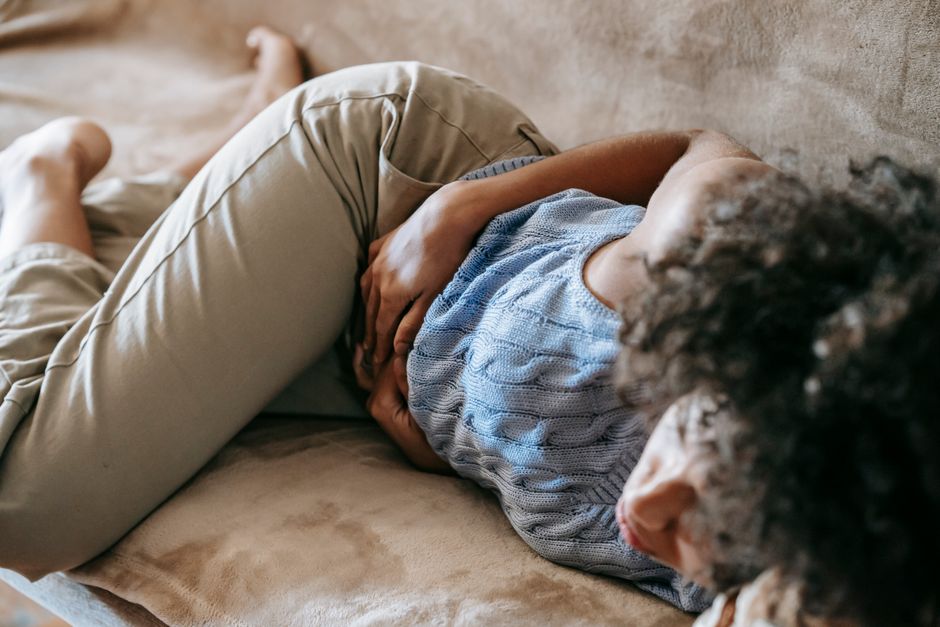
Yes, constipation can cause pain in the pelvic area. When stool backs up in the rectum and lower colon, it stretches the bowel wall and puts pressure on surrounding organs and nerves. That pressure can produce aching, cramping, or sharp pain felt low in the abdomen and pelvis.
The pain is real, and it can be uncomfortable enough to worry people. But it usually has a mechanical explanation rather than a serious disease behind it. Understanding how constipation creates pelvic pain — and when the pain points to something else — matters for anyone trying to sort out what their body is telling them.
Can Constipation Cause Pain In The Pelvic Area?
Constipation is a well-recognized cause of pelvic and lower abdominal pain. The colon and rectum sit directly in the pelvic cavity, so when they fill with hard or backed-up stool, the discomfort lands in that same region.
The mechanism is straightforward. The bowel wall contains stretch-sensitive nerve endings. As stool accumulates, the wall distends, and those nerves signal pain. The colon also contracts harder to push the stool along, which can cause cramping. Both effects are felt low in the body, often right where people describe pelvic pain.
There is a detail worth knowing here. The rectum sits close to the bladder, uterus, and prostate. A full, distended rectum can press on these organs, so constipation pain sometimes feels like it is coming from the bladder or reproductive organs rather than the bowel. That overlap is one reason pelvic pain can be hard to interpret on your own.
This kind of pain is common and usually responds to treating the constipation itself. It is not a sign of damage in most cases. But pelvic pain has many possible sources, and constipation is only one of them.
What Does Constipation-Related Pelvic Pain Feel Like?
People describe it in different ways, and the pattern often reflects how backed up the bowel is. Common descriptions include:
- A dull ache or heaviness low in the abdomen or pelvis
- Cramping that comes and goes, sometimes in waves
- Sharp or stabbing pain during a hard bowel movement
- Pressure or fullness in the rectum
- Pain that eases after a bowel movement or passing gas
The timing is a useful clue. Pain that improves after you pass stool or gas is more likely to be bowel-related. Pain that follows a predictable pattern tied to your bowel habits points the same way.
Severe, constant pain is different. So is pain with fever, vomiting, or a rigid abdomen. Those features are not typical of simple constipation and need medical attention rather than a wait-and-see approach.
How Does Constipation Lead to Pelvic Discomfort?
Three processes explain most of the discomfort. The first is distension — the physical stretching of the bowel as stool collects. The second is forceful contraction — the colon working harder to move a hard stool, which produces cramps. The third is pressure on nearby organs.
There is also a muscle dimension. Chronic constipation can lead to repeated straining, and straining engages the pelvic floor muscles. Over time, some people develop tightness or dysfunction in these muscles, which itself can cause pelvic pain. This is an area where the evidence is still developing, but clinicians who treat pelvic floor disorders commonly see the connection.
Hard, dry stool can also irritate the lining of the anal canal and rectum during passage, causing a sharper, more localized pain. This is different from the deeper ache of a full bowel, but both fall under the same general cause.
When Is Pelvic Pain a Sign of Something Else?
Pelvic pain has many causes, and constipation is only one. Some conditions share the same location and can be mistaken for bowel-related pain. Others are more serious and need prompt care.
Conditions that can cause pelvic pain include urinary tract infections, kidney stones, endometriosis, ovarian cysts, pelvic inflammatory disease, prostate problems, hernias, and irritable bowel syndrome. Some of these produce pain that overlaps closely with constipation discomfort.
Seek medical care promptly if pelvic pain comes with any of the following:
- Fever or chills
- Vomiting or inability to keep fluids down
- Blood in the stool or black, tarry stool
- A hard, swollen, or rigid abdomen
- Pain that is severe, constant, or getting worse
- Unexplained weight loss
- A change in bowel habits lasting more than a few weeks
These signs do not confirm a specific diagnosis. They simply mean the pain needs a professional look rather than home management. A clinician can examine you and decide what testing, if any, is appropriate.
How Is Constipation-Related Pelvic Pain Treated?
The most direct approach is to treat the constipation, because the pain usually follows the bowel problem. General measures supported by clinical guidance include eating more fiber, drinking enough fluids, and getting regular physical activity. These steps help soften stool and keep it moving.
Fiber works gradually, and increasing it too quickly can cause gas and bloating at first. Fluids matter alongside fiber — fiber without enough water can make stool harder, not softer. This is a common and easily missed point.
Over-the-counter options exist, including stool softeners and certain laxatives. They are not all alike, and some are meant for short-term use. Anyone with ongoing constipation, or who is considering regular laxative use, should talk with a pharmacist or clinician rather than self-managing indefinitely.
When constipation becomes chronic, a clinician may look for underlying causes such as medication side effects, thyroid problems, or pelvic floor dysfunction. Some medications — including certain pain relievers and antidepressants — are known to slow the bowel. Reviewing medications with a clinician is a reasonable step for persistent cases.
No single approach works for everyone, and the evidence for any one remedy varies. What is well established is that relieving constipation generally relieves the pelvic pain that comes with it.
Can Constipation Cause Pelvic Pain Without Other Symptoms?
Yes, it can. Some people notice pelvic discomfort before they register that their bowel habits have changed. The pain may be the first thing they feel, and the constipation becomes clear only in hindsight.
This happens because a full rectum can press on nearby structures and create pressure that feels separate from the bowel. The connection becomes obvious once bowel habits are tracked and the pattern emerges.
Keeping a simple record of bowel movements, fluid intake, and when the pain occurs can help clarify whether constipation is the likely cause. That record is also useful information to bring to a clinician if the pain persists.
Frequently Asked Questions
Can constipation cause pain in the pelvic area?
Yes. Backed-up stool stretches the lower bowel and presses on nearby organs, which can cause aching or cramping pain in the pelvis. The pain often eases after a bowel movement.
Where do you feel pain from constipation?
Most often low in the abdomen, in the rectum, or across the pelvis. Some people feel pressure that seems to come from the bladder or reproductive organs because of the rectum’s position nearby.
How long does constipation pelvic pain last?
It usually eases once the bowel moves and the backup clears. Persistent pain lasting more than a few weeks, or pain that keeps returning, should be checked by a clinician.
When should I worry about pelvic pain?
Get medical care for severe or constant pain, fever, vomiting, blood in the stool, a rigid abdomen, or unexplained weight loss. These signs are not typical of simple constipation.
