
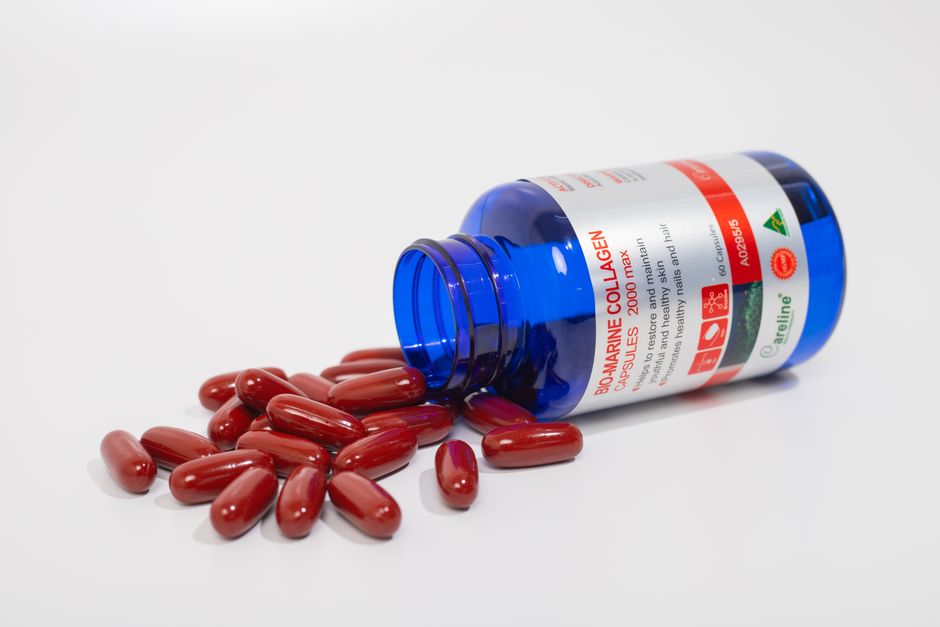
Collagen supplements can cause itching in some people, but it is not a common reaction. When it happens, the cause is usually an allergic response to a specific ingredient in the product, a reaction to an additive or flavoring, or — less often — a sensitivity to collagen itself. Most people who take collagen do not itch, and the ingredient has a long history of use in food and supplements.
If you started a collagen product and developed itching, the sensible first step is to stop taking it and see whether the itching settles. If you have hives, swelling, or trouble breathing, that is a medical emergency and needs immediate care.
Can Collagen Make You Itchy? Causes And What To Do
Yes, collagen can make some people itchy, but the reaction usually traces back to something in the product rather than the collagen molecule itself. Collagen is a protein, and like any protein it can trigger an immune response in a person who is sensitive to it. That said, true collagen allergy appears to be uncommon.
More often, the culprit is one of the other ingredients. Collagen powders and drinks are formulated products. They contain flavorings, sweeteners, preservatives, colorings, and sometimes fruit or botanical extracts. Any of these can cause itching in a susceptible person.
There is also a practical point worth knowing. Collagen peptides used in supplements are typically derived from bovine (cow), porcine (pig), or marine (fish) sources. A person with a fish allergy, for example, may react to a marine collagen product. This is a real and recognized concern, and it is why allergen labeling matters on these products.
So the honest answer is layered. Collagen can be associated with itching, but pinning down the cause means looking at the whole product, not just the word “collagen” on the label.
What Would Actually Cause Itching After Taking Collagen?
There are several distinct mechanisms, and they matter because the right response depends on which one is happening. Itching is a symptom, not a diagnosis. It can come from an immune reaction, a skin response, or something unrelated to the supplement entirely.
Allergic reaction to a collagen source protein
If you are allergic to fish and take marine collagen, you are exposing yourself to fish-derived protein. That can trigger an allergic response, and itching is a common feature of allergic reactions. The same logic applies to people with specific sensitivities to other animal proteins. This is not a collagen-specific problem — it is an allergy to the source.
Reaction to additives and flavorings
Flavorings, sweeteners, and preservatives are common in collagen products. Some people react to specific additives with itching or skin changes. Identifying which one is difficult without careful label reading and, sometimes, trial and error.
Collagen itself as an allergen
Collagen is a structural protein found throughout the body. Some people can develop sensitivity to it, and there are documented cases of allergic reactions to collagen-containing products, including in medical and cosmetic contexts. This appears to be uncommon, but it is real. If you react to multiple collagen products from different sources, collagen itself becomes a more likely explanation than a single additive.
Contamination or a separate ingredient
Supplements are not held to the same regulatory standard as prescription drugs. Quality and ingredient accuracy can vary between brands. In rare cases, a reaction may come from something not clearly listed on the label. This is one reason to choose products from established manufacturers with clear labeling.
Itching can also be entirely unrelated to the collagen. Dry skin, a new detergent, a change in weather, or an underlying skin condition can all cause itching that happens to coincide with starting a supplement. Timing alone does not prove cause.
How Do You Know If It Is the Collagen or Something Else?
You cannot know for certain without some structured observation. The most reliable approach is a simple elimination test, done carefully.
Stop the collagen product and note whether the itching improves over the following days to a week. If it clears, that is suggestive but not conclusive — other factors could have changed at the same time. If you want to test more rigorously, reintroduce the same product after the itching has resolved and see whether it returns. A reaction that reliably comes back with the product is stronger evidence of a link.
Reading the full ingredient list is worth doing. Compare products you have reacted to and look for shared ingredients. If you reacted to a marine collagen but not a bovine one, the source is a likely factor. If you reacted to several products with different sources but a shared flavoring, that points elsewhere.
Keep in mind that this kind of self-testing has limits. It works best for clear, reproducible reactions. For anything involving hives, swelling, or breathing changes, do not test at home — get medical advice.
When Is Itching a Sign of Something Serious?
Most itching after a supplement is mild and settles when you stop the product. Some symptoms, though, mean you should stop and seek care right away. These are signs of a more serious allergic reaction, and they are not something to wait out.
- Hives or raised, spreading welts
- Swelling of the face, lips, tongue, or throat
- Trouble breathing, wheezing, or a tight feeling in the chest
- Dizziness, faintness, or a rapid heartbeat
- Itching that spreads quickly across the body
Swelling of the airway and difficulty breathing are signs of anaphylaxis, a life-threatening reaction that requires emergency treatment. If these occur, call emergency services immediately. Do not take another dose to “see if it happens again.”
Itching without those features is less alarming, but it still deserves attention if it is intense, persistent, or spreading. Persistent itching with no clear cause can also be a sign of other health issues, so ongoing unexplained itching is worth discussing with a clinician.
What Should You Do If Collagen Makes You Itchy?
Stop taking the product and let your body settle. That is the first and most important step. Most mild reactions ease once the trigger is removed.
Then work through the possibilities in a sensible order:
- Check the label for allergens. Look for fish, shellfish, or other source proteins if you have known allergies.
- Review additives. Note flavorings, sweeteners, and preservatives, and compare across products.
- Consider the source. If you reacted to marine collagen, a bovine or porcine product may behave differently — but only try this if your reaction was mild and you have no relevant allergy.
- Do not restart a product that caused hives, swelling, or breathing problems. That reaction pattern warrants medical evaluation before trying anything similar.
For mild itching, an over-the-counter antihistamine may ease symptoms, but check with a pharmacist or clinician first, especially if you take other medications or have health conditions. Some clinicians suggest this for mild allergic itching, but it is not a substitute for removing the trigger.
If the itching does not settle after stopping, or if you cannot identify a clear cause, see a healthcare provider. They can help distinguish an allergic reaction from other causes of itching.
Is Collagen Itching a Common Problem?
No. Itching is not a commonly reported side effect of collagen supplementation. Most people tolerate collagen products without skin reactions. The reports that do exist tend to involve specific sensitivities — to a source protein, an additive, or, less often, collagen itself.
This matters for how you interpret your own experience. If you itch after collagen, you are in a minority, and that makes it more likely that something specific about that product or your sensitivity is responsible, rather than collagen being broadly problematic.
It also means the marketing claim that collagen is universally gentle and risk-free is not quite accurate. It is generally well tolerated, but “generally” is not “always.” Anyone with known food allergies should read labels carefully before starting a collagen product.
Does the Type of Collagen Matter for Itching Risk?
The source can matter, particularly for people with food allergies. Marine collagen comes from fish, so a fish allergy is directly relevant. Bovine and porcine collagens come from cow and pig respectively, which matters for people with sensitivities to those proteins or with dietary restrictions.
Beyond source, the formulation matters. A plain, unflavored collagen powder has fewer ingredients than a flavored drink mix, which means fewer potential triggers. If you have reacted to a flavored product, a simpler formulation is a reasonable thing to discuss with a clinician — though there is no guarantee it will be problem-free.
What is not well established is whether one type of collagen is meaningfully less likely to cause itching than another in people without relevant allergies. The evidence does not clearly support ranking collagen types by itching risk for the general population. The safer approach is to match the product to your known allergies and sensitivities.
Frequently Asked Questions
Can collagen supplements cause an allergic reaction?
They can, though it is uncommon. Reactions usually involve a source protein like fish in marine collagen, or an additive in the product.
How long does collagen itching last?
Mild itching typically eases within days of stopping the product. If it persists beyond that, see a clinician to rule out other causes.
Should I stop taking collagen if I itch?
Yes, stop and see whether the itching settles. If you have hives, swelling, or breathing trouble, seek emergency care immediately.
Is marine collagen more likely to cause itching?
It can be for people with a fish allergy, since marine collagen is fish-derived. For people without that allergy, there is no clear evidence it is more likely to cause itching.
