
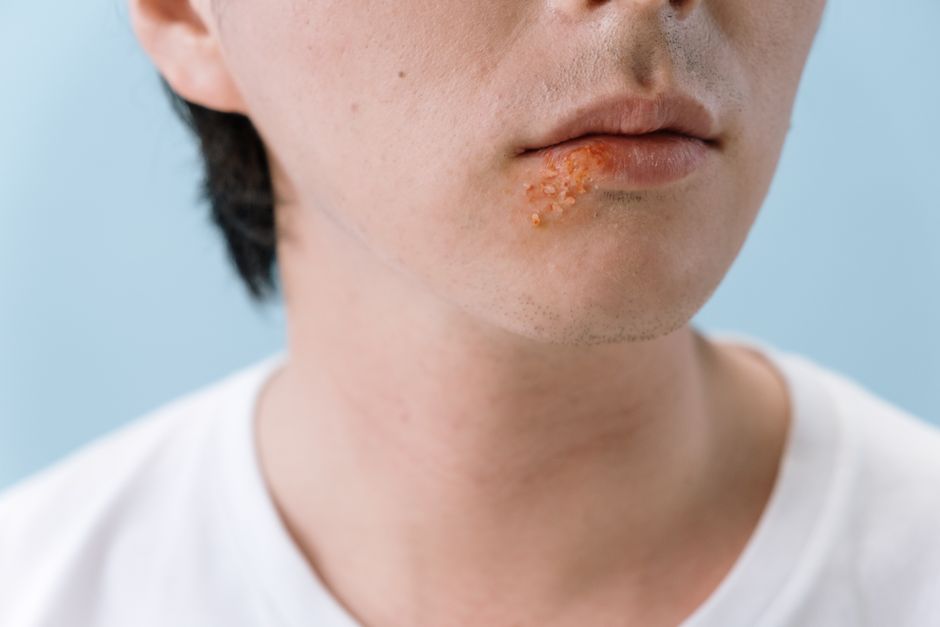
Yes, cold sores can hurt. The tingling, burning, or stinging that shows up before a blister even appears is often the first sign that a cold sore is forming, and the sore itself can stay tender for several days while it heals.
Cold sores are caused by the herpes simplex virus, usually type 1 (HSV-1). The virus settles into nerve cells near the face and stays there for life. It can reactivate from time to time, and when it does, it typically produces a small cluster of blisters on or around the lips. The pain is real, but for most healthy adults it is manageable and the sore clears on its own within one to two weeks.
What Does a Cold Sore Feel Like?
Most people describe the sensation in stages. The first stage is a distinctive tingling, itching, or burning that starts before anything is visible. This is sometimes called the prodrome, and it usually lasts a few hours to a day. It happens because the virus is reactivating along a nerve and traveling to the skin surface.
Once the blister appears, the feeling shifts. The sore can throb, sting, or feel raw, especially when you talk, eat, or smile. The blister is a small, fluid-filled bump, often on the outer edge of the lip where it meets the skin of the face. Cold sores can also form on the nose, chin, or inside the mouth, though inside-the-mouth sores are more often caused by a different virus.
The blister then breaks open and forms a shallow ulcer. This stage is often the most uncomfortable. The open sore is exposed to air, food, and saliva, all of which can irritate it. A crust or scab forms over the next day or two, and the sore gradually heals.
Many people also notice swollen lymph nodes in the neck, or a general feeling of being run down. The first-ever cold sore infection tends to be the worst. It can come with fever, sore throat, and multiple sores, and it can last longer than later outbreaks.
How Painful Are Cold Sores Compared to Canker Sores?
Both can hurt, but they are different problems with different causes, and people often mix them up.
Cold sores are caused by a virus and are contagious. They usually appear outside the mouth, on the lip or the skin around it. Canker sores are not caused by a virus and are not contagious. They form inside the mouth, on the tongue, gums, or inner cheek, and they look like a round white or yellow spot with a red rim.
In terms of pain, canker sores are often more painful because they sit in a place that gets rubbed and moved constantly. Cold sores hurt too, but their location on the outer lip means they are less likely to be scraped by your teeth. Both can make eating and drinking unpleasant.
This distinction matters because the treatments are different. Antiviral creams and pills help cold sores. They do nothing for canker sores, which are managed with soothing rinses or topical gels.
Why Do Cold Sores Hurt So Much?
The pain comes from two sources: the virus damaging skin cells and your immune system responding to it.
When HSV-1 reactivates, it travels down a nerve to the skin and copies itself inside skin cells. The cells burst and die, which creates the blister. That damage is what you feel as soreness and stinging. At the same time, your immune system sends inflammatory signals to the area. Inflammation causes swelling, redness, and increased sensitivity in the surrounding nerve endings.
This is why the sore can hurt more than its size would suggest. A cold sore is often only a few millimeters across, but the tissue around it is inflamed and the nerve endings are on edge. The lip also has a dense supply of nerve endings, so even a small injury there registers clearly.
The good news is that the pain tracks with the healing. As the blister crusts and the skin repairs, the inflammation fades and the sore stops hurting. The tingling stage is a warning, not a sign that something is going wrong.





How Long Do Cold Sores Hurt?
A typical outbreak follows a predictable timeline in healthy people. The tingling starts first, usually a few hours before the blister shows. The blister forms, then breaks and crusts, and the whole thing heals in about one to two weeks. Pain is usually worst in the first few days and eases as the sore crusts over.
Healing time varies. Some people get a small sore that is gone in a few days. Others get larger or clustered sores that take longer. The first infection a person ever has is often the most severe and can last longer than later outbreaks.
A few things can stretch the timeline. Sunburn, stress, illness, and a weakened immune system can all make outbreaks more frequent or more painful. If a cold sore lasts longer than two weeks, keeps spreading, or comes with a high fever, that is a reason to see a doctor rather than wait it out.
What Helps With the Pain?
Cold sores usually heal on their own, and the goal of treatment is mainly to ease discomfort and shorten the outbreak. Antiviral medications can do both when they are started early.
Antiviral creams and pills are available. Some are sold over the counter and some require a prescription. The general clinical principle is that antivirals work best when started at the first tingle, before the blister fully forms. Starting them late in the outbreak does less. This is why many clinicians suggest keeping a supply on hand if you get cold sores often.
For comfort, a few simple steps can help:
- Apply a cool compress to the sore to reduce swelling and numb the area.
- Use an over-the-counter pain reliever if needed, following the label directions.
- Avoid touching or picking at the sore, which can spread the virus and slow healing.
- Skip acidic, salty, or spicy foods while the sore is open.
- Use a lip balm with sun protection, since sun exposure can trigger outbreaks.
Some clinicians also recommend topical anesthetics to numb the sore. These can dull the pain for a short time but do not shorten the outbreak. The evidence for most home remedies, including ice, lysine, and various creams, is limited or mixed. Lysine in particular has been studied for decades, and the results have not been consistent enough to call it proven.
No treatment cures the virus. It stays in the body, and outbreaks can return.
When Should You See a Doctor?
Most cold sores are a nuisance, not a danger. But some situations need medical attention.
See a doctor if the sore is severe, keeps spreading, or lasts longer than two weeks. Also seek care if you have a high fever, if the sores appear near the eyes, or if you have a weakened immune system from medication or illness. Cold sores near the eye are a special concern because the virus can damage the eye, and this needs prompt treatment.
Newborns and infants are another high-risk group. A cold sore infection in a newborn can be serious. If you have an active cold sore, avoid kissing a baby or touching the baby’s face, and wash your hands carefully. If a newborn develops sores or seems unwell, contact a doctor right away.
People with eczema or a history of skin conditions should also be cautious, because the virus can spread to broken skin and cause a more widespread infection.
Can You Prevent Cold Sores From Coming Back?
You cannot remove the virus, but you can lower the odds of an outbreak. Triggers vary from person to person, but common ones include sun exposure, emotional stress, fatigue, illness, and physical trauma to the lips.
Everyday steps that may help:
- Use lip balm with sun protection and limit long sun exposure.
- Get enough sleep and manage stress where you can.
- Avoid sharing cups, utensils, towels, or lip products during an outbreak.
- Wash your hands often, especially after touching the sore.
For people who get frequent outbreaks, a doctor may prescribe daily antiviral medication to reduce how often they happen. This is a well-established approach for people with recurring cold sores, though it does not eliminate outbreaks entirely.
One point worth clearing up: cold sores are most contagious when a blister is present, but the virus can sometimes spread even when there are no visible symptoms. That is one reason the virus is so common worldwide.
Frequently Asked Questions
Can cold sores hurt without a blister?
Yes. The tingling, burning, or itching that comes before a blister is often the first sign of an outbreak. The pain can start hours before anything is visible.
How long does a cold sore usually hurt?
Pain is usually worst in the first few days and eases as the sore crusts over. A typical outbreak heals in about one to two weeks.
Are cold sores contagious when they hurt?
Yes, cold sores are most contagious when a blister or open sore is present. The virus can also spread at other times, even without visible symptoms.
What is the fastest way to stop a cold sore from hurting?
Starting an antiviral at the first tingle is the most reliable way to shorten an outbreak, and a cool compress can ease the pain. Antivirals work best when started early, before the blister fully forms.
