
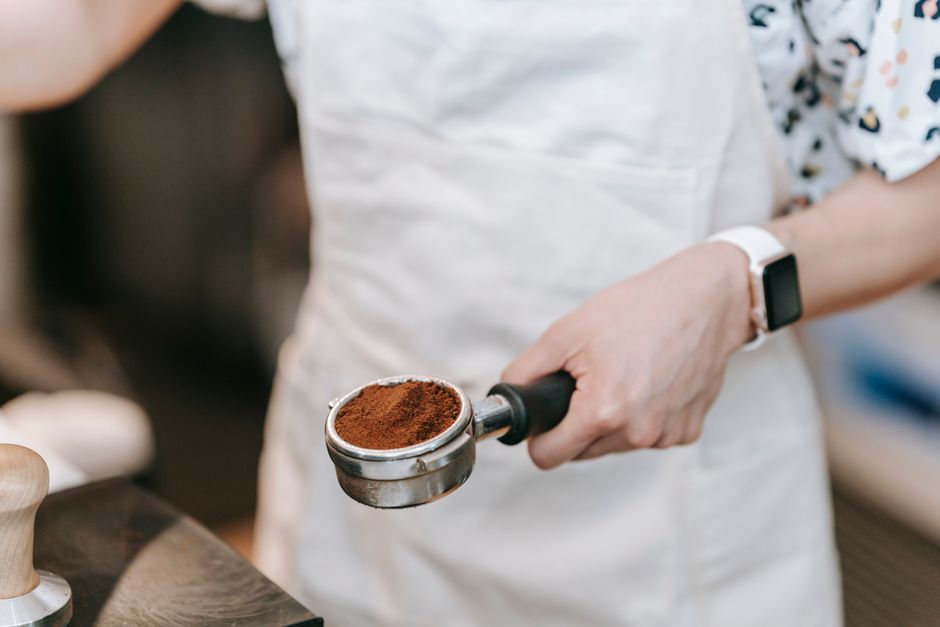
Coffee grounds sit in your pantry longer than you expect. You open the bag months later and wonder if they are still safe to use. The short answer is yes, coffee grounds can go bad. They do not spoil the way milk or meat does, but they lose freshness and can develop mold or off-flavors over time. Whether they are usable depends on how they were stored and how old they are.
What Does “Going Bad” Actually Mean for Coffee Grounds?
Coffee grounds do not become toxic the way spoiled meat does. They are dry, and that dryness keeps most harmful bacteria from growing. The real problem is that coffee is a food product with oils and compounds that change over time.
When coffee goes bad, it happens in two ways. First, the grounds lose the volatile compounds that give coffee its aroma and flavor. This is why old coffee tastes flat and dull. Second, the oils in the coffee can oxidize. Oxidation produces stale, cardboard-like flavors. In some cases, mold can grow if the grounds get damp.
None of these changes make coffee dangerous to drink in most cases. They make it taste bad. That distinction matters. A stale cup of coffee will not hurt you, but it will not taste like coffee either.
How Long Do Coffee Grounds Last?
The shelf life depends on the type of coffee and how it is stored. Whole beans last longer than ground coffee because grinding exposes more surface area to air. That surface area speeds up oxidation and flavor loss.
Here are general timeframes for coffee stored at room temperature in an airtight container:
- Whole beans: 2 to 4 weeks for best flavor. They remain safe to drink for months.
- Ground coffee: 1 to 2 weeks for best flavor. It stays safe to drink for several months.
- Instant coffee: 1 to 2 years in an unopened jar. It stays safe for years after opening if kept dry.
These are flavor guidelines, not safety deadlines. Coffee does not suddenly become dangerous after a specific date. It gradually becomes less enjoyable.
Check the “best by” date on the package. That date tells you when the roaster believes flavor will peak. It is not an expiration date in the food safety sense.
Can Mold Grow on Coffee Grounds?
Yes, mold can grow on coffee grounds, but it needs moisture to do so. Dry coffee grounds in a sealed bag rarely grow mold. The problem starts when water gets in.
Common ways moisture gets into coffee grounds include storing them near a steaming kettle, using a wet spoon to scoop them, or leaving the bag open in a humid kitchen. Once mold takes hold, it spreads quickly through the grounds.
How do you know if coffee has mold? Look for white, green, or gray fuzzy patches. You may also notice a musty smell. If you see mold, throw the coffee away. Do not try to pick out the moldy parts. Mold roots spread invisibly, and the spores can cause allergic reactions or respiratory irritation in sensitive people.





How to Tell If Coffee Grounds Have Gone Bad
Your senses are the best tools for checking coffee. You do not need a lab test or special equipment.
Smell test: Fresh coffee has a strong, pleasant aroma. If the grounds smell musty, sour, or just like nothing, they have lost their quality. Coffee that smells like wet cardboard has oxidized.
Sight test: Look for visible mold, clumping, or unusual discoloration. Clumping can mean moisture got in. That moisture makes mold more likely.
Taste test: Brew a small cup. If it tastes flat, bitter in an unpleasant way, or has a papery flavor, the coffee is past its prime. It will not hurt you, but it will not satisfy you either.
Trust what your senses tell you. If something seems off, the coffee is not worth drinking.
Can You Use Expired Coffee Grounds?
Using expired coffee grounds for drinking is not dangerous, but you will likely be disappointed. The flavor will be weak or stale. Some people describe it as tasting like dirty water with a bitter edge.
There are practical uses for old coffee grounds that do not involve drinking them. Many people use them in the garden. Coffee grounds add nitrogen to compost and can improve soil structure. They also work as a gentle abrasive scrub for cleaning pots and pans.
If the grounds have no mold and no off-putting smell, these uses are perfectly fine. If there is mold, do not use them anywhere near food or plants you intend to eat. The mold spores can spread.
Does Storing Coffee in the Freezer Keep It Fresh?
Freezing coffee grounds is a common practice, but the evidence is mixed. Some research suggests freezing can preserve flavor compounds for longer periods. The problem is moisture.
Every time you open the freezer container, warm air hits the cold coffee. That air contains moisture. The moisture condenses on the grounds and can degrade quality or promote mold. Repeated opening and closing makes this worse.
If you freeze coffee, use a completely airtight container. Take out only what you need and return the rest quickly. Do not thaw and refreeze. Each freeze-thaw cycle damages the structure of the grounds.
For most people, a cool, dark pantry in an airtight container is the better choice. Coffee stored that way will stay fresh for the short term, and you avoid the moisture risk entirely. Freezing makes sense only for long-term storage of large quantities.
What Is the Best Way to Store Coffee Grounds?
The enemies of coffee are air, light, heat, and moisture. Good storage blocks all four.
An airtight container is the most important piece. A glass jar with a rubber seal or a ceramic canister with a tight lid works well. Avoid clear containers on a sunny counter. Light degrades coffee quality over time.
Keep the container in a cool, dark place. A pantry or cabinet away from the stove is ideal. Do not store coffee above the oven or near the dishwasher. The heat and steam from these appliances will shorten the coffee’s life.
Buy coffee in quantities you will use within two weeks. This is the single most effective way to enjoy fresh coffee. A smaller bag that you finish quickly beats a large bag that sits around for a month.
One more point: do not refrigerate coffee grounds. The fridge is full of moisture and strong smells. Coffee absorbs both. Your coffee will taste like whatever is in your fridge, and it will degrade faster.
Can Coffee Grounds Go Bad If Vacuum Sealed?
Vacuum-sealed coffee lasts significantly longer than coffee in a bag that has been opened. The lack of oxygen slows oxidation dramatically. Unopened vacuum-sealed bags of ground coffee can stay fresh for months past the roast date.
Once you open the seal, the clock starts. The coffee immediately begins losing flavor. You are back to the two-week window for best quality.
Some companies use one-way valves on their bags. These let carbon dioxide escape after roasting while keeping oxygen out. This works well for whole beans. The valve does not help much after the bag is opened.
If you buy coffee in bulk, consider dividing it into smaller vacuum-sealed portions. Open one portion at a time. This keeps the rest fresh until you need it.
Frequently Asked Questions
Can old coffee grounds make you sick?
Old coffee grounds that are dry and mold-free will not make you sick. Coffee with visible mold can cause allergic reactions or respiratory irritation, so throw it out.
How can I tell if coffee grounds are stale?
Stale coffee loses its aroma and tastes flat or cardboard-like when brewed. If the grounds smell like nothing or have a musty odor, they are past their prime.
Is it safe to drink coffee past the best by date?
Yes, it is safe as long as there is no mold and the grounds smell normal. The flavor will be weaker, but the coffee will not harm you.
Do coffee grounds expire faster in the refrigerator?
Yes, refrigeration exposes coffee to moisture and odors that speed up quality loss. A cool, dark pantry in an airtight container is the better choice.
